Add Row
Add Element
cropper
update
Build Well Texas
update
Add Element
  • Home
  • Categories
    • Construction Technology & Innovation
    • Health, Wellness and Workplace Safety
    • Sustainable Building & Green Construction
    • Equipment
    • Resources
    • Business and Finance
    • Project Management & Best Practices
    • Construction Trends & Industry Insights
    • Community Development
    • Executive Interviews and Company Profiles
    • Design Trends & Space Optimization
August 04.2025
2 Minutes Read

Construction Job Growth Stalls—What This Means for Business Owners

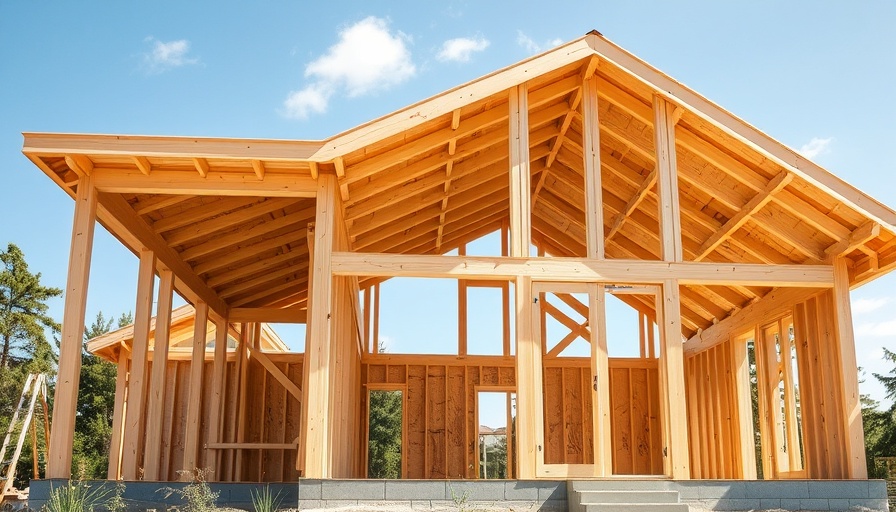
Partially constructed house showcasing construction job growth.

Understanding the Current Landscape of Construction Jobs

The construction sector has experienced a stagnation in job growth, particularly evident in the latest reports highlighting limited advancements in July. This trend resonates across various sub-sectors, prompting business owners, property developers, and facility managers to reassess their strategies for navigating an unpredictable market.

Why Job Growth Matters for Construction Professionals

For stakeholders in the construction industry, including commercial construction firms, the fluctuation in job growth can have a significant impact. When construction jobs stall, it often affects project timelines, budget allocations, and workforce availability, ultimately influencing the bottom line. Moreover, these trends underscore the necessity for innovative practices that maximize efficiency and sustainability within ongoing and future projects.

Insights from Recent Trends

The Bureau of Labor Statistics indicates a subtle decline in construction employment, despite a robust demand for residential and commercial projects. This paradox may be attributed to various factors, including rising costs of materials and labor shortages. Notably, data also shows that contractors are increasingly turning to efficiency-enhancing technologies and sustainable practices to mitigate these challenges. Innovations such as Building Information Modeling (BIM) and energy-efficient construction models have been gaining traction, helping businesses stay competitive in a tight labor market.

Future Predictions: What Lies Ahead for the Industry?

As we observe current trends, it becomes clear that the industry's trajectory will also depend on broader economic conditions. Experts predict that if inflation rates stabilize and supply chain issues are resolved, construction jobs could rebound in the coming months. However, this recovery will heavily rely on the industry's adaptability and willingness to embrace new technologies that streamline processes and reduce dependency on labor.

The Role of Sustainability in Shaping Job Growth

A critical element in reversing the job growth stagnation could be the integration of sustainability in construction practices. Many businesses are recognizing that green building not only meets market demand but also attracts a workforce that prioritizes ethical and sustainable work environments. With pressure mounting on construction firms to adopt eco-friendly methods, fostering a culture of sustainability could lead to new job opportunities and overall growth.

Actionable Insights for Stakeholders

For business owners and construction professionals, now is the time to leverage data-driven decision-making and innovative techniques that promote sustainability. Investing in training programs that focus on green technologies could make your workforce more adaptable and skilled in emerging areas, thus providing a significant advantage in a competitive market.

As a community-focused business leader, consider advocating for green building initiatives that not only benefit your bottom line but also contribute positively to societal well-being. By prioritizing sustainable practices now, you can position your firm to thrive when job growth rebounds.

In light of these insights, stay informed about market trends, and explore further resources that can enhance your strategic decision-making. Engage in forums and discussions to gain diverse perspectives on the evolving construction industry landscape.

Sustainable Building & Green Construction

1 Views

0 Comments

Write A Comment

*
*
Related Posts All Posts
01.15.2026

Crisis in the Roofing Industry: Mental Health Must Be a Priority

Update The Urgent Need for Mental Health Awareness in Roofing In the demanding world of roofing, where work conditions are both physically and emotionally taxing, mental health issues are increasingly recognized as a silent crisis. The industry is notorious for its rugged culture—often lauded as "tough"—that paradoxically undercuts the well-being of its workers. The National Roofing Contractors Association (NRCA) has launched initiatives like the 'Be Tough Enough' campaign to combat stigma and promote mental health as a genuine safety priority. Breaking the Silence: The 'Be Tough Enough' Movement The NRCA's 'Be Tough Enough' video, premiered at the recent Best of Success conference, sheds light on this pressing issue. It features real stories from roofers who have faced mental health struggles, making it clear that seeking help is a sign of strength. NRCA CEO McKay Daniels emphasized that recognizing when to lean on others can significantly affect someone's mental health and well-being. The campaign is not just a marketing tactic; it offers access to numerous free resources for contractors, employers, and employees alike, including toolbox talks and support information to help address these challenges effectively. Understanding the Risks: Statistics and Realities Statistics underscore the need for urgent intervention: according to the Centers for Disease Control and Prevention (CDC), construction workers—including roofers—experience one of the highest suicide rates among occupational groups. Factors such as isolation from working at heights, the stressful nature of the job, and the stigma attached to mental health discussions contribute to this unsettling reality. With many roofers feeling they 'must tough it out,' these issues often remain unaddressed, leading to dire consequences. Creating Supportive Work Environments Employers play a crucial role in shifting the culture around mental health in roofing. By implementing wellness programs and encouraging open dialogues about mental health, employers can help dismantle the stigma. Providing access to counseling services and offering workshops on stress management can pave the way for healthier work environments. Moreover, promoting work-life balance is critical; when workers feel supported, they are far less likely to succumb to the pressures and strain that may lead to mental health crises. Peer Support: A Pillar of Resilience Peer support is pivotal in managing mental health challenges, particularly in such a close-knit industry. Encouraging roofers to share their stories and experiences can foster community, allowing individuals to realize they are not alone in their struggles. Organizations such as the National Suicide Prevention Lifeline and the Construction Industry Alliance for Suicide Prevention provide invaluable resources that can guide those in need back to health. A Call to Action for the Roofing Community As we navigate the complexities of mental health in the roofing industry, the call to action is clear: stakeholders from across the spectrum must rally together to prioritize mental well-being. By changing the narrative around mental health, we can create an environment that values genuine toughness—the kind that embraces vulnerability and support. Every roofer deserves to feel safe in addressing their mental health challenges, and together we can forge a community that empowers workers to thrive. For business owners and stakeholders in the commercial construction sector, understanding and investing in mental health initiatives represent not only an ethical responsibility but also a pathway to enhancing workforce productivity and resilience. As an industry, let’s ensure that our workers know their mental health matters, and take decisive steps to create a supportive and sustainable roofing environment.

01.13.2026

How the Construction Job Surge Amid Labor Shortages Affects Business Growth

Update The Surge in Construction Jobs Amid a Labor ShortageAs the construction industry continues to grapple with a persistent labor crunch, the headlines are buzzing with updates on job growth across numerous states. A recent analysis from the Associated General Contractors of America highlights a landscape where 28 states and the District of Columbia saw an increase in construction jobs between August 2024 and 2025. Texas, New Mexico, and North Carolina led the pack in job creation, offering encouraging news for those invested in both commercial and residential development.Why Labor Shortages Are Delaying ProjectsDespite these positive job growth figures, the construction industry faces immense challenges concerning labor shortages. A staggering 92% of construction firms report difficulties in filling open positions. This shortage has consequences, with 45% of firms admitting they had to delay key projects due to the lack of qualified workers. For business owners and developers, understanding these labor dynamics is crucial; delays can equate to lost revenues and increased costs.Adapting to New Realities: Innovative Hiring PracticesBusinesses and facility managers may need to adapt their hiring practices to navigate this labor crunch effectively. Investing in training programs and collaborating with local educational institutions can help cultivate a skilled workforce. Furthermore, utilizing technology in the recruitment process can streamline hiring efforts, making it essential for companies to stay competitive in a tightening labor market.Impact on City Development and Sustainability GoalsA labor shortage complicates not just construction timelines but also the broader goals of sustainability in urban development. With increasing demand for green building practices, organizations must find a balance between meeting project deadlines and achieving sustainable outcomes. Business leaders should focus on integrating sustainable practices in their hiring and project management to enhance ROI while elevating community standards.Future Trends: A Global PerspectiveIndustry experts predict that the labor market may evolve as more workers recognize the lucrative opportunities in construction, particularly in roles tied to sustainable building practices. As businesses and communities push for eco-friendly developments, the construction sector’s adaptability will be critical for future growth. Staying informed about trends can empower business owners and developers to seize emerging opportunities while remaining competitive.Conclusion: A Call to ActionThe construction industry is at a crossroads, facing unprecedented labor shortages while simultaneously witnessing job growth in many regions. For business owners, understanding these dynamics and proactively addressing the challenges can pave the way for sustained success. Now is the time to invest in workforce training and development, collaborate with education authorities, and reevaluate hiring practices to build a skilled yet flexible labor force. Engage with key stakeholders in your community to advocate for greater support and resources to create and maintain a thriving construction environment.

01.11.2026

Exploring Roofing in 2026: SOPREMA's Vision for Sustainable Growth

Update The Outlook for the Roofing Industry in 2026 The roofing industry is entering 2026 with cautious optimism. Despite facing inflation, supply chain challenges, and a labor shortage, contractors are anticipating moderate growth, particularly in commercial work. At SOPREMA, a key player in the roofing sector, there is a clear focus on integrating brand identity to streamline operations and enhance customer experience. This shift is not merely cosmetic; it positions SOPREMA to be more responsive to market dynamics and the diverse needs of contractors across the nation. Trends Shaping Roofing: From Innovative Materials to Technology One of the standout trends noted in SOPREMA's strategies involves the rising popularity of synthetic membranes and advanced multi-ply solutions, particularly in mission-critical constructions. As property developers and facility managers focus more on long-term reliability, SOPREMA invests in innovative solutions and enhanced training for contractors. The role of technology cannot be overlooked—contractors are increasingly leveraging estimating software, cloud platforms, and AI tools to improve efficiency from planning to job completion. Green Roofing: A Sustainable Future Sustainability is a driving force within the roofing industry. SOPREMA is leading in green roofing innovation, showcasing how vegetated roofing systems can combat urban heat islands and promote biodiversity. These green solutions not only enhance aesthetic appeal but also improve air quality. By extending the lifespan of roofs and protecting underlying structures from extreme elements, green roofs bring significant economic benefits and align with socially conscious goals. Preparing for Tomorrow: Adaptation and Continuous Learning As SOPREMA navigates these evolving challenges, its commitment to training and skill development remains steadfast. This focus on human capital prepares roofing contractors to face jobsite realities with confidence. In a landscape marked by rapid changes, continuous learning and adaptation are critical—not just for survival, but for thriving. What Lies Ahead for SOPREMA in 2026 and Beyond Looking forward, 2026 promises to be another year of transformation for the roofing industry. The emphasis on flexible logistics and improved customer relations positions SOPREMA to successfully lead through these changes. While external conditions like labor costs and supply chain issues persist, SOPREMA’s commitment to innovation, sustainability, and education empowers them to embrace these challenges proactively, contributing to a safer, more efficient roofing industry. Call to Action: As a business owner or facility manager, staying informed about emerging trends and innovations in roofing can be pivotal for your investment strategy in upcoming years. Engage now with your contractors to discuss how to best leverage these insights for your projects.

Terms of Service

Privacy Policy

Core Modal Title

Sorry, no results found

You Might Find These Articles Interesting

T
Please Check Your Email
We Will Be Following Up Shortly
*
*
*