Add Row
Add Element
cropper
update
Build Well Texas
update
Add Element
  • Home
  • Categories
    • Construction Technology & Innovation
    • Health, Wellness and Workplace Safety
    • Sustainable Building & Green Construction
    • Equipment
    • Resources
    • Business and Finance
    • Project Management & Best Practices
    • Construction Trends & Industry Insights
    • Community Development
    • Executive Interviews and Company Profiles
    • Design Trends & Space Optimization
August 11.2025
3 Minutes Read

Discover How Empire Crane Is Elevating Industry Standards in Construction

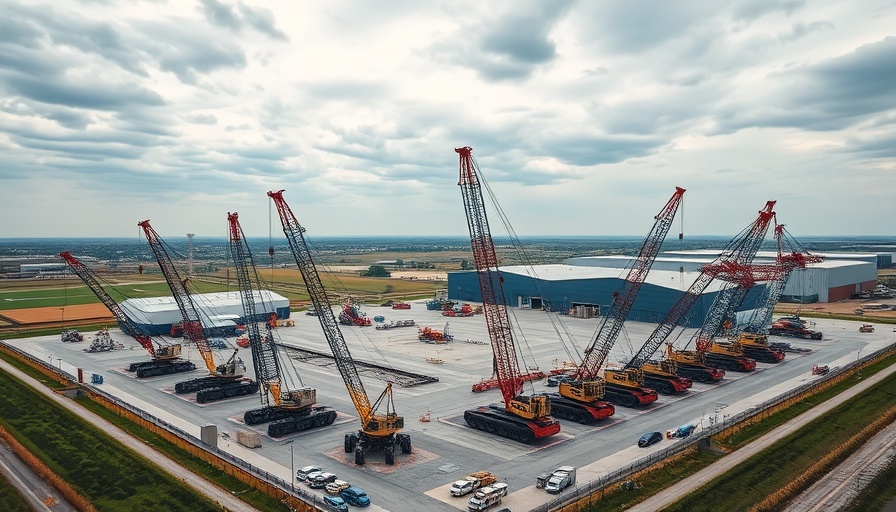
Empire Crane elevates industry standards with diverse crane display.

Empire Crane's Evolution: Beyond the Basics

Since its inception in 2002, Empire Crane Company has carved a niche in the construction sector, particularly in crane sales, service, parts, and rentals. Headquartered in Syracuse, New York, Empire has thrived through significant industry transformations, driven by continuous innovation, customer focus, and a commitment to excellence. As the landscape shifts with manufacturer mergers and acquisitions, Empire remains steadfast in its mission to offer comprehensive crane solutions to meet diverse client needs.

Market Dynamics and Strategic Alliances

In a recent discussion with Luke Lonergan, the owner of Empire Crane, emerging trends in the market became apparent. The acquisition of Demag Mobile Cranes by Tadano in 2019 and the recent purchase of Manitex International signal a consolidation that may influence product offerings and pricing strategies. Lonergan notes, "These acquisitions enable us to align with industry leaders who provide robust technology and quality, ensuring we can offer our clients cutting-edge solutions." By engaging with such reputable manufacturers, Empire enhances its portfolio with diverse products that cater to various operational requirements.

Innovative Crane Offerings for Modern Applications

Empire Crane’s strategic partnership with Tadano has resulted in becoming a fully authorized dealer, thereby expanding its product lineup. This partnership has allowed Empire to stock the latest technological advancements in cranes, showcasing the notable features of Tadano’s Boom truck line. Lonergan emphasizes, “Demonstrating the latest in crane technology is critical to not only enhance our clients' operational efficiency but also to solidify our reputation as a premier provider in the construction industry.”

The Role of Customer Education and Support

The crux of Empire's success lies not only in its vast inventory but also its commitment to client education. Through continuous dialogue with manufacturers like Magni, Empire ensures that the feedback loop from field operators reaches the engineering teams directly. "This collaboration fosters an environment where we can advocate for products that better suit our clients' needs. It’s all about developing solutions that resonate with real-world applications," explains Lonergan, highlighting the importance of practical insights over mere sales pitches.

Recognition and Growth: An Enduring Relationship with Innovation

Empire's journey has been marked by accolades, including being named Jekko Dealer of the Year for 2023, demonstrating its ability to adapt and thrive in a competitive market. The introduction of Jekko cranes and mini pickers has further cemented Empire's standing in the industry, appealing to clients looking for maneuverable, versatile equipment. This ability to pivot and embrace innovations reflects a forward-thinking approach essential in an ever-evolving industry.

Looking to the Future: Trends and Opportunities

As the construction industry gears towards sustainability and efficiency, Empire Crane is well-positioned to leverage its partnerships and product range to meet future demands. With construction evolving rapidly, companies must remain agile and adopt the latest technologies. Lonergan forecasts a trend towards integrated systems that not only enhance operational workflow but also prioritize environmental sustainability. This foresight positions Empire Crane not just as a supplier, but as a partner in progress.

In conclusion, whether you're a property developer, facility manager, or construction business seeking reliable crane solutions, Empire Crane emerges as a pillar of innovation and expertise. Their proactive approach to partnering with leading manufacturers and focusing on customer engagement offers valuable insights into navigating the complexities of modern construction.

Call to Action: Stay ahead in the evolving construction landscape—explore how partnering with Empire Crane can elevate your project outcomes and efficiency today!

Construction Technology & Innovation

3 Views

0 Comments

Write A Comment

*
*
Related Posts All Posts
02.06.2026

Smart Sensors and IAQ: The Future of Safety Gear on Construction Sites

Update The Rising Need for Smart Safety Solutions in ConstructionAs the construction industry expands in response to global infrastructure demands, so does the need for effective safety measures. An alarming trend shows that construction sites, while crucial for economic growth, rank among the most hazardous workplaces. With the surge in heavy machinery use and environmental risks exacerbated by climate change, the stakes for worker safety have never been higher. Fatalities from heat-related incidents alone accounted for a staggering one-third of such deaths in 2023, underscoring an urgent need for preventive measures.Understanding the Role of Indoor Air Quality MeasurementAmong the significant health threats faced on construction sites is poor indoor air quality (IAQ). The rise in dust, chemicals, and hazardous gases puts workers at risk, leading to both short- and long-term health issues. Addressing these concerns requires a shift from traditional safety protocols to modern solutions like air quality monitoring devices. Such technology allows site managers to identify potential hazards in real-time and respond proactively, fundamentally changing the approach to health and safety.How Smart Sensors Transform Safety ManagementSmart sensors represent a technological breakthrough in construction safety. These Internet of Things (IoT) devices monitor site conditions continuously, providing invaluable data that informs immediate action. For instance, smart safety vests can indicate when a worker's vital signs signal distress, while on-site sensors measure air quality and alert managers to dangerous conditions. The integration of such technology, often termed “connected safety,” forms a cohesive strategy that extends across all operational areas, enhancing worker safety and operational efficiency.Real-World Applications: Speeding Up Response TimesIn practical terms, the implementation of smart sensors means faster response times to potential hazards. For example, if a worker collapses due to heat exhaustion, sensors can alert site managers immediately, enabling rapid medical assistance. This approach not only protects workers but also mitigates potential project delays. With fewer incidents, construction firms can reduce liability costs and improve employee satisfaction, creating a safer and more conducive working environment.Supporting Data and Research TrendsRecent studies emphasize the benefits of incorporating smart sensors into safety management practices. For instance, data from the U.S. Government Accountability Office indicates a correlation between smart technology use and reduced workplace injuries. Moreover, a recent qualitative study found that organizations implementing these systems not only improved safety management efficiency but also achieved a significant reduction in accident rates. Thus, investing in smart sensor technology is not just about compliance; it’s about fostering a culture of safety that enhances operational performance.Future Directions: Embracing Innovation in Construction SafetyThe evolution of smart safety solutions in construction represents a crucial step towards modernizing the industry. As businesses increasingly prioritize health and safety, technologies like smart sensors are set to become commonplace on construction sites. With growing awareness of environmental hazards and their implications for worker health, the demand for intelligent safety technologies will only intensify. By focusing on integrating these cutting-edge solutions, construction firms can ensure a safer workplace, thus benefiting both their workforce and the bottom line.

02.04.2026

Discover How the Inaura Tower Redefines Luxury in Dubai's Skyline

Update A Modern Icon in the Heart of Dubai The skyline of Dubai is a dynamic tapestry of architectural ingenuity, where each structure tells a story of ambition, luxury, and innovation. Among these marvels, the Inaura tower stands out not just for its height but for its unique design ethos, aiming to complement the world-famous skyline symbolized by iconic structures like the Burj Khalifa and the Dubai Fountain. The Jewel in the Sky: Design Insights Designed by MVRDV, the Inaura tower reaches a height of 210 meters, strategically challenging the traditional skyscraper paradigm. At its peak, a glowing, pearl-like orb offers not only a breathtaking visual experience but also practical uses, functioning as a Sky Lounge and a VIP space for guests. This intriguing design approach aims to create a sense of curiosity rather than competition in a city notoriously known for its towering giants. This unique architectural feature is nestled perfectly between the building's floors, reflecting a clever integration of practical use and aesthetic appeal. According to Jacob van Rijs, founding partner of MVRDV, the Inaura tower is designed to exude a "demure yet exquisite" character, balancing elegance with restraint amidst the city's vertical competition. Holistic Amenities for a Vibrant Lifestyle Beyond its striking exterior, the Inaura tower is committed to wellness and lifestyle, embodying modern living's multifaceted nature. The building incorporates a four-story plinth containing restaurants, gyms, and an infinity pool, establishing an inviting atmosphere that serves both residents and visitors alike. With features such as a spa and various apartments ranging from one to three bedrooms, Inaura not only promotes luxury but also prioritizes health and well-being. The design evolves as one ascends the tower; the balconies transition from sharp edges to rounded corners, mirroring the symbiotic relationship between urban life at the base and peaceful luxury above. This “city-to-sky” motif reflects a growing trend in architecture, emphasizing the need for balance between community spaces and personal sanctuaries. Implications for Future Developments In a city where the tallest towers often try to outdo each other’s height, MVRDV’s approach with Inaura represents a significant shift in architectural philosophy. By embedding its most distinctive feature within the structure rather than adding it on top, the project encourages future developments in Dubai and beyond to consider designs that resonate with their surroundings and prioritize user experience over mere spectacle. As a luxury living space that harmoniously blends sophistication with functionality, Inaura's success will likely influence upcoming constructions in Dubai, encouraging a design ethos rooted in an understanding of community, lifestyle, and the essence of living in a bustling metropolis.

02.03.2026

Why America's Construction Industry Will Struggle to Fill Key Jobs in 2026

Update Understanding the Construction Labor Dilemma The US construction industry is grappling with an alarming and persistent labor shortage as we approach 2026, a situation driven by structural factors rather than cyclical fluctuations. The demand for skilled labor has surged, propelled by increases in infrastructure investment, commercial development, and housing projects. Yet, as project pipelines grow, contractors find themselves struggling to fill essential roles that support the backbone of their operations. The Aging Workforce: A Critical Concern As the workforce in construction continues to age, a disturbing trend is evident: seasoned professionals are retiring at an alarming rate while too few young workers are entering the field. The National Association of Home Builders points out that the median age of construction workers is disproportionately skewed towards older generations, leaving a void that younger generations are not filled. This demographic shift presents a complex, multifaceted challenge requiring innovative workforce development strategies if the industry wishes to thrive. Five High-Demand Construction Jobs Facing Shortages Addressing the future employment landscape, five key roles illustrate the acute need within the industry: Electricians: As new technologies and sustainable practices like electrification and renewable energy integration become mainstays in construction, the need for highly skilled electricians is soaring. The layered training, lengthy apprenticeships, and state licensing hurdles pose substantial barriers to entry that further exacerbate shortages. Heavy Equipment Operators: Heavy equipment operators are essential for executing large-scale construction projects—from earth-moving to utility installations. The shortage of seasoned operators who have honed their craft through experience limits project timelines and forces contractors to incur extra costs in hiring. Commercial Carpenters: Integral to structural framing and specialized tasks, commercial carpenters play a pivotal role in project execution, yet the sector is seeing a decline due to an aging workforce and an insufficient number of entrants pursuing carpentry trades. Construction Project Managers: In an era where project complexity increases, qualified project managers have become indispensable for ensuring efficiency. The lack of experienced managers can cascade into project delays and budget overruns, ultimately jeopardizing profitability and project success. HVAC Technicians: The demand for HVAC technicians has become critical as improving indoor air quality and energy efficiency are of utmost importance. Compliance with evolving regulations adds further technical demands that deter potential new entrants. The Path Ahead: Investing in Workforce Development To combat these shortages, industry leaders advocate for enhanced workforce development strategies. One such approach is investment in apprenticeship programs, as seen in Southern California with organizations like ABC SoCal facilitating pathways for aspiring construction workers. By blending on-the-job training with classroom education, trades can be revitalized and new professionals seamlessly integrated into the labor force. Embracing Technology as a Solution If the construction sector is to attract and retain new talent, embracing technology is non-negotiable. Modern construction relies on using sophisticated tools and techniques—from project management software to building information modeling (BIM)—that not only optimize workflows but can also be appealing to today's tech-savvy generation. Incorporating training in these technologies could entice younger workers by providing them with skills that are in not just construction, but also applicable in a broader job market. Concluding Thoughts: A Call to Action for the Construction Community The challenges facing the construction industry are profound, but through strategic initiatives aimed at workforce development and modernization, a brighter future is achievable. Industry professionals, legislation, and educational institutions must collaborate to create pathways that lead to rewarding careers in construction, drawing in the next generation of skilled workers. It is time for action—not complacency—in ensuring construction remains a pillar of American infrastructure and economy.

Terms of Service

Privacy Policy

Core Modal Title

Sorry, no results found

You Might Find These Articles Interesting

T
Please Check Your Email
We Will Be Following Up Shortly
*
*
*