Add Row
Add Element
cropper
update
Build Well Texas
update
Add Element
  • Home
  • Categories
    • Construction Technology & Innovation
    • Health, Wellness and Workplace Safety
    • Sustainable Building & Green Construction
    • Equipment
    • Resources
    • Business and Finance
    • Project Management & Best Practices
    • Construction Trends & Industry Insights
    • Community Development
    • Executive Interviews and Company Profiles
    • Design Trends & Space Optimization
September 04.2025
3 Minutes Read

Make the Right Choice: Precast Concrete vs. Poured Concrete Foundations

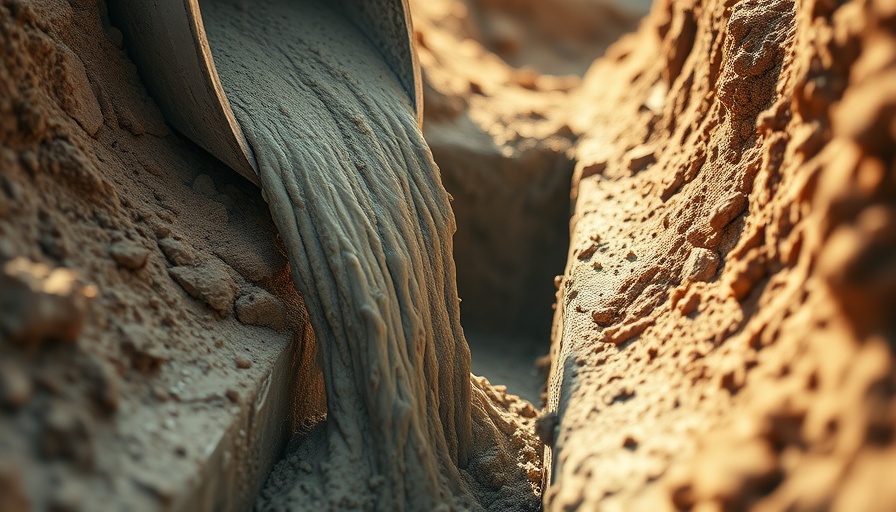
Concrete being poured into a foundation trench, sunny setting.

Poured Concrete Foundations: Flexibility Meets Accessibility

When it comes to constructing a foundation, the most traditional method is poured concrete. Contractors assemble forms on site, pour the wet mix directly into them, and let it set. This age-old approach offers various advantages, especially due to its flexibility in design. With poured concrete, you can easily adapt to a wide range of layouts, making it an ideal choice for simple, custom projects.

Moreover, contractors who specialize in poured concrete are readily available across most regions, which can lead to cost savings. In areas where labor and materials are less expensive, and when weather conditions are optimal, opting for poured concrete can be a wallet-friendly choice. However, one must weigh these benefits against some significant challenges.

Common Pitfalls of Poured Concrete

While poured concrete has its perks, it does come with notable downsides. Weather conditions can greatly impact the construction schedule; pouring concrete necessitates dry, warm weather. If the environment is uncooperative, this may lead to delays or even compromised quality. Moreover, curing times must be accounted for, as foundations need adequate time to set before further construction can begin—and in the wrong conditions, this could extend indefinitely.

Moisture control is another significant concern. Without proper waterproofing measures, poured foundations can develop cracks, leading to water infiltration issues over time. If your project requires a swifter response or is in a wetter climate, you might want to consider alternative foundations.

Enter Precast Concrete: The Modern Alternative

On the other hand, precast concrete takes a refreshing leap into modern construction techniques. Unlike poured concrete, precast panels are crafted in a controlled factory setting, promoting consistent quality. Then, they are delivered to the job site ready for quick assembly. This approach isn't just about convenience; it often translates to impressive speed—panels can typically be erected in a single day, reducing the length of labor and overall project timelines.

Additionally, many precast systems feature pre-insulated designs that significantly improve thermal performance, contributing to better energy efficiency and lowering long-term energy costs. The durability of precast concrete is also noteworthy—engineered to resist moisture and cracking, it often proves to be a smarter long-term choice. But, there are still considerations to make when opting for precast solutions.

A Cost vs. Benefit Analysis of Precast Systems

While precast concrete offers numerous advantages, it is not without its challenges. For instance, transporting heavy panels to the job site requires careful logistics planning. Furthermore, the upfront costs can certainly be higher than their poured counterparts, a factor worth considering if budget constraints are a priority.

Choosing the Right Foundation for Your Project

So, how do you choose between precast and poured concrete? It ultimately comes down to project scope, local labor markets, and your long-term performance goals. If you're managing a simple build with forecasted favorable weather conditions, poured concrete could be a sound option. However, for developers seeking speed, reliability, and energy efficiency, precast concrete might prove to be the wiser investment.

For those drawn to the innovative side of construction, businesses like Superior Walls have been revolutionizing precast solutions since 1981, delivering quality and performance to modern construction challenges. Remember, whatever your choice, it's essential to weigh the pros and cons effectively to pave the way for successful completion and sustainability. So, let your foundation be not merely the starting point but a strong statement of your project's integrity.

Ready to Elevate Your Construction Game?

Understanding the different construction methods available—be it precast or poured—is crucial for any business owner, property developer, or facility manager. Make sure to consult with industry experts and analyze your project’s unique needs to ensure that your choice leads to robust and lasting foundations.

Construction Technology & Innovation

22 Views

0 Comments

Write A Comment

*
*
Related Posts All Posts
01.14.2026

Exploring the Cal Community Center: A Purple Beacon for Health and Community

Update A Community Center That Radiates Well-BeingIn Caledonia, Michigan, a remarkable new community center is making waves with its vibrant design and state-of-the-art facilities. The Cal Community Center, a collaboration between the YMCA of Greater Grand Rapids and Caledonia Community Schools (CCS), has become a beacon of health, wellness, and community connection. Spanning over 47,000 square feet, this facility not only stands out for its eye-catching purple hues, but also for its thoughtful architectural design and functionality. Designing with Purpose and FunctionalityThe vision for the center was anchored in the need for a versatile space that caters to all community generations. With features including a fitness area, kids’ zone, indoor track, basketball court, and a splash pad, flexibility was a key driver in the design process. The architectural firms Stantec and C2AE made significant strides in creating a dynamic environment that promotes active lifestyles. One standout feature is the cantilevered translucent form above the entrance, which allows natural daylight to permeate the interior spaces, creating a welcoming atmosphere. Integrating Sustainability and Aesthetic AppealEnvironmental sustainability played a vital role in the construction, as indicated by the integration of polycarbonate wall systems. These unique wall assemblies not only ensure excellent thermal performance, but they also minimize solar heat gain. High-quality daylight, evenly distributed throughout the facility, ensures comfort for users engaging in various activities while reducing energy consumption. As David Anderson, a reporter covering transformative technologies in construction, notes, such design innovations align with modern sustainable building practices that enhance user experience while preserving natural resources. Community Connection Through RecreationBeyond the architectural grandeur, what truly matters is how the facility serves its community. The Cal Community Center aims to strengthen communal ties by offering programming that encourages both physical activities and social interactions. YMCA President Scott Lewis emphasized its role as a collaborative space where individuals can prioritize health and wellness, highlighting its significant value to families and local residents. Looking Ahead: The Future of Community CentersThe opening of the Cal Community Center symbolizes a shift in how communities can look towards the future of recreation and well-being. By prioritizing shared spaces that advocate for healthful lifestyles and connectivity, other communities may take similar initiatives to enhance their local offerings. As such, this center represents not only a local development but a trend in community-focused planning that could reshape public spaces across the country. With its engaging design, robust programming, and commitment to sustainability, the Cal Community Center stands as a model of what modern community facilities should aspire to be. As it continues to evolve, it will likely inspire surrounding communities to explore innovative approaches to integrating health, wellness, and architectural excellence.

01.14.2026

Unlocking Affordable Safety: Robust UK Partners with HOPPE for Panic Exit Solutions

Update Revolutionizing Security Exits with Robust UK and HOPPEIn a significant move for the construction and security hardware industries, Robust UK has teamed up with HOPPE (UK) to introduce a new line of exclusive panic exit hardware for security doors. This strategic partnership aims to create cost-effective and security-tested emergency exit solutions, catering to today's pressing safety concerns in various sectors, including education and healthcare.Meeting the Demands of Modern SafetyThe ARRONE panic hardware, suitable for both single and double doors, has undergone rigorous third-party testing on Robust’s PAS 24 certified doors. This certification assures users of high security standards, crucial for properties such as schools, hospitals, and residential developments where safety is paramount. Technical Director Jason Robinson highlights that market research revealed a clear demand for emergency exit solutions that not only ensure safety but also align with budget specifications.Exclusivity and VersatilityRobust's SECUR-DOR 2.1 system stands out by providing maximum adaptability across a variety of openings within a site. Features such as a satin nickel-plated finish ensure that the hardware is resistant to wear and tear, enhancing its longevity and reliability. Best of all, it is being offered as both fire-rated and certified for thermal performance in compliance with UK Building Regulations, which is a benchmark for safety and sustainability in construction.A Collaborative Approach to Future-Proofing SecurityThe collaboration between Robust UK and HOPPE not only expands the offerings available in the market but also signifies a commitment to innovation. HOPPE's Business Development Manager, Karen Nelson, notes the importance of combining expertise to meet modern challenges in safety hardware. This partnership results in a future-proof solution that is poised to adapt to evolving security standards, ensuring that users can upgrade their fire exits without incurring prohibitive costs.Conclusion: Empowering Cost-Effective UpgradesThe introduction of the ARRONE panic hardware by Robust in collaboration with HOPPE represents a significant step forward in providing cost-effective, high-security solutions for property developers, facility managers, and social housing projects. This partnership not only addresses current industry demands but also paves the way for future advancements in security and construction technology. As these innovative solutions become more accessible, upgrading to security-certified exits is no longer a luxury but an attainable necessity for many.

01.07.2026

How Open-air Courtyards Are Revolutionizing Residential Design

Update Connecting Nature with Living Spaces The emergence of open-air courtyards in residential designs is more than just a trend; it embodies a newfound commitment to promoting well-being among residents. The innovative complex designed by Hacker in Brooklyn, Southeast Portland, is a paragon of this approach. This five-story, 166-unit building integrates outdoor courtyards as central elements that merge indoor and outdoor living spaces, deliberately inviting fresh air and natural light into everyday life. How Open-air Courtyards Enhance Residential Living These courtyards serve as the "front yards" for residents, offering comfortable seating, planters, and vine-covered pathways that extend into open terraces. Each courtyard is wrapped in Western red cedar and adorned with lush greenery. This design not only beautifies the space but also contributes to a calming atmosphere essential for mental well-being. Reports have shown that access to green spaces significantly reduces stress levels and promotes relaxation, making such designs beneficial to residents’ health. Building Community Through Design Architectural elements like exterior walkways and open-air stairs encourage interaction among residents. The layout reinforces a sense of community: as neighbors meet while walking to their apartments, the design fosters unforeseen social opportunities. The thoughtfully designed shared amenities, such as a lounge, coworking space, and fitness center, accompany the main features of this residential complex, aligning perfectly with the contemporary need for both private and communal spaces. Affordability Meets Aesthetic Excellence With the strategic use of mechanized parking stackers, the developers have cleverly optimized parking efficiency, transforming the space into more units affordable for potential residents seeking modern living close to urban amenities. This holistic approach not only addresses the housing crisis but does so while ensuring a high quality of life for its tenants. What the Future Holds for Residential Spaces As urban environments continue to evolve, integrating nature with modern apartment living will likely remain a priority. More property developers are recognizing those innovative open-air designs can provide significant health benefits and contribute to a higher living standard. The innovative complex in Portland stands as a potential model for future developments, indicating a shift toward designs that prioritize wellness and community connection over mere occupancy. To embrace the future of living, property developers and community leaders must consider these transformative designs that prioritize both aesthetics and functional spaces to create environments where residents can thrive.

Terms of Service

Privacy Policy

Core Modal Title

Sorry, no results found

You Might Find These Articles Interesting

T
Please Check Your Email
We Will Be Following Up Shortly
*
*
*