Add Row
Add Element
cropper
update
Build Well Texas
update
Add Element
  • Home
  • Categories
    • Construction Technology & Innovation
    • Health, Wellness and Workplace Safety
    • Sustainable Building & Green Construction
    • Equipment
    • Resources
    • Business and Finance
    • Project Management & Best Practices
    • Construction Trends & Industry Insights
    • Community Development
    • Executive Interviews and Company Profiles
    • Design Trends & Space Optimization
April 29.2025
3 Minutes Read

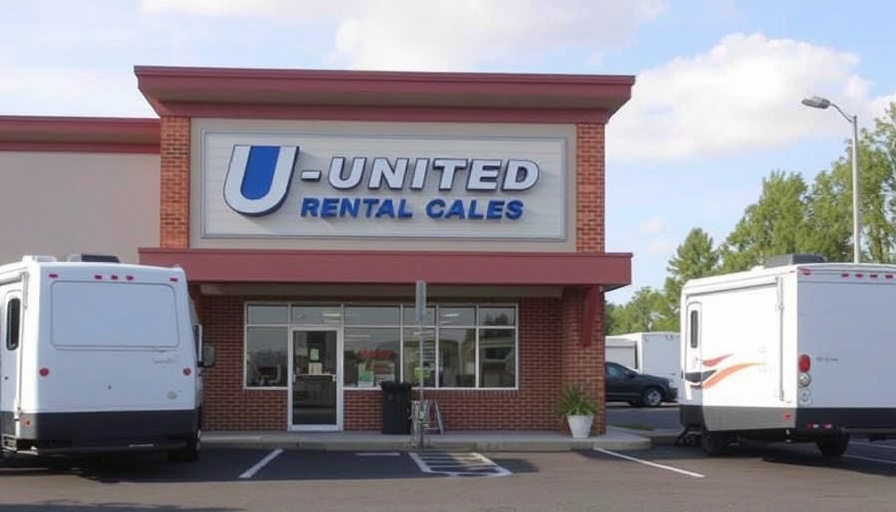
Price Collusion Allegations Spark Concerns in Rental Equipment Market

Lawsuit Alleges Price Collusion Among United Rentals, Sunbelt, Rental Ratings Firm

Unpacking the Allegations: A Closer Look at the Lawsuit

In the construction industry, pricing transparency is fundamental, not just for competition but for project integrity. Recently, a significant lawsuit targeting two of the industry's giants, United Rentals and Sunbelt, suggests that this transparency may have been compromised. The suit alleges that these companies entered into a collusion agreement with a rental ratings firm, aimed at manipulating equipment pricing. This allegation, if substantiated, could reshape how these companies operate and redefine trust standards in construction.

The Potential Costs of Price Manipulation

Price fixing not only impacts the bottom line of rental companies but also trickles down to construction firms and ultimately affects project costs. Higher equipment rates can lead to inflated budgets that may deter clients from pursuing certain projects. A focus on price efficiency within the construction sector is paramount. The ramifications of this lawsuit could lead to a ripple effect—ubiquitous changes in how rental agreements are made, scrutinized, and enforced.

Why This Occurred: The Industry Dynamics

The construction equipment rental market is already characterized by a few major players. With greater market concentration, these companies could face less competition, prompting questionable practices to stay profitable. Understanding this context is crucial for industry stakeholders; they must remain vigilant against collusion, which threatens not only their profit margins but the overall health of the construction ecosystem.

The Response: United Rentals and Sunbelt Speak Out

Both companies have publicly denied the allegations, insisting their pricing strategies remain competitive and compliant with regulatory frameworks. Their response emphasizes the challenge in proving collusion—evidence of intent and agreement can be difficult to procure. This defense raises an important point: how can the construction industry implement practices that assure fair competition while shielding against such grave accusations?

Next Steps: What Clients and Construction Firms Should Consider

For clients and commercial construction companies, the implications of this lawsuit are profound. Though the companies involved may navigate this lawsuit without severe fallout, the appearance of unethical behavior can damage reputations. Clients should prioritize due diligence when choosing partners or rental agreements, ensuring they support companies that maintain transparency and ethical pricing practices. This case serves as a reminder of the importance of holding partners accountable in an often opaque market.

Future Implications for the Rental Market

This lawsuit could lead to stricter regulations within the rental industry. Authorities may push for more oversight to prevent collusion from impacting prices, which could introduce cost structures that favor fairness. Moreover, techniques like implementing automated pricing systems could create opportunities for more equitable price competition, reducing the likelihood of collusion by making price manipulation more challenging.

In conclusion, the allegations against United Rentals and Sunbelt highlight significant issues within the construction rental market, emphasizing the need for transparency and ethical practices. As this case unfolds, it is crucial for industry clients to stay informed and advocate for improved standards, ensuring that their projects are served by honest pricing models and practices.

Design Trends & Space Optimization

2 Views

0 Comments

Write A Comment

*
*
Related Posts All Posts
02.06.2026

The Gateway Funding Freeze: A Looming Crisis in U.S. Rail Infrastructure

Update Gateway Funding Freeze: A Critical Crossroad for Rail Advancements The Gateway Program is poised to play a pivotal role in improving the Northeast Corridor's rail network, but recent developments have raised concerns over future funding and viability. With a significant freeze on federal funding, the project faces uncertainty that could hamper economic growth and hinder transportation improvements for millions of commuters. Understanding the Impacts of the Funding Freeze For the thousands of commuters relying on this vital rail artery daily, any disruption can have dire consequences. The Gateway Program, envisioned as a comprehensive upgrade to one of the busiest rail sections in the United States, aims not only to enhance efficiency but also to alleviate congestion and reduce travel times. However, the funding freeze threatens to leave these ambitions stranded and undermine years of work. Future Predictions: What Lies Ahead for Rail Infrastructure? As the nation grapples with the implications of this funding freeze, industry experts worry about the broader impact on rail infrastructure investment. The delay in implementing Gateway’s first phase—focused on building a new tunnel under the Hudson River—could set a dangerous precedent, leading to further project cancellations or postponements. If alternative funding sources aren’t found promptly, rail innovation could stagnate at a critical time when modernizing infrastructure is paramount. Decisions Stakeholders Must Consider Now Clients of commercial construction firms should take note of this uncertainty as it could affect project timelines and costs in related sectors. As with any significant infrastructure project, the consequences of a funding freeze extend beyond just the immediate construction sites. Decisions made now will determine how quickly and effectively the industry can pivot to accommodate changes, especially in an age increasingly defined by technological advancements in construction. Emotional and Human Interest: The Real Cost of Transportation Delays Imagine waking up each morning, preparing for a long commute, and then discovering that critical infrastructure is delayed indefinitely. The Gateway Program is not just about tracks and tunnels; it's about daily lives and the ripple effects those delays have on family, work, and community dynamics. This freeze isn’t merely a financial setback; for many, it signifies a longer, more arduous journey into the city each day. Actionable Insights: What You Can Do As stakeholders in the construction and transportation sectors, it's essential to advocate for proactive solutions. Engaging with local representatives and voicing concerns can help maintain momentum for urgently needed rail upgrades. By focusing on innovative funding strategies, the construction community can lobby for alternative solutions that keep projects like Gateway funded and on track.

02.05.2026

New ICE Warehouse Conversion in Merrimack: Implications for Contractors and Taxpayers

Update Introduction: The Proposed Transformation in Merrimack The recent proposal to convert a 324,000-sq-ft logistics warehouse in Merrimack, New Hampshire, into a federal immigration processing center has raised eyebrows amongst local officials and the construction community alike. It highlights the lessons learned from past federally-driven adaptive reuse projects, where engagement ahead of construction plays a critical role in ensuring smooth project delivery. Federal Engagement and Local Silence: A Recipe for Uncertainty Documents from the U.S. Immigration and Customs Enforcement (ICE) notifying state historic preservation officials of the proposed conversion bring to light a common issue: the absence of local consultation. Casey Wolfe-Smith, Merrimack’s planning and zoning administrator, has stated unequivocally, "We don’t have any kind of permit applications. There’s nothing on file—no general contractor or architect attached to this. Absolutely nothing." This disconnection often leaves contractors and designers with little information on vital aspects such as procurement timing, project scope, and delivery structures. Federal Levels of Approval: The Ice Tip The local stakeholders currently confront the project’s complexities without clear lines of communication. The New Hampshire Division of Historical Resources weighed in, recently stating the proposal would cause "no adverse effect" on historic properties, dutifully checking off one bureaucratic box while community concerns remain largely unaddressed. The intention to repurpose a high-spec Class A logistics facility into a processing center indicates a significant shift in purpose, necessitating extensive changes in both design and functionality. For contractors, this opens a Pandora's box of potential challenges from compliance with new regulations to the physical reconfiguration needed for security and medical infrastructure. Local Opposition: Concerns from Every Angle As the proposal gains attention, Merrimack's local government has voiced opposition to the establishment of an ICE facility without direct consultation. The town council warned that such a facility would reduce tax revenue and drastically affect local resources such as police and fire services. Residents echo their concerns, with protests marking significant public dissent against the federal plans. The fiscal implications are clear, displaying the tension between federal intentions and local realities. The Bigger Picture: A National Perspective on Adaptive Reuse The Merrimack situation mirrors a national trend in the construction industry, particularly concerning adaptive reuse projects. As federal interests are increasingly leaning towards reimagining existing structures for new purposes, the lack of local engagement can lead to delayed timelines and unforeseen costs. Such projects promise efficiency on paper, yet real-world execution can be riddled with bureaucratic bottlenecks. Moving Forward: What Stakeholders Can Do For commercial construction clients, understanding the implications of federal proposals is essential. Here are some actionable insights for stakeholders involved in similar projects: Prioritize Communication: Ensure open lines of communication with all stakeholders from federal agencies to local officials to pre-emptively address concerns and streamline the approval process. Evaluate Risks: Analyze potential financial impacts due to changes in property classification and local infrastructure needs that may arise from such adaptive reuse projects. Mitigate Opposition: Engage the community through informational sessions and discussions early in the planning process to address fears and resistance proactively. Conclusion: Adapting to Change in Merrimack The proposed conversion of the Merrimack warehouse is more than a local development; it reflects broader trends and challenges in construction technology, project management, and community engagement. Investors and contractors must navigate this landscape with transparency and agility, transforming not only warehouses but also community apprehension into constructive dialogue. As this situation unfolds, staying informed and proactive will be key.

02.04.2026

Maximize Your ROI: The Top Project Tracking Software for Small Contractors

Update Unlocking ROI in Project Tracking for Small ContractorsIn the competitive landscape of construction, the right project tracking software can significantly enhance return on investment (ROI) for small contractors. As the construction software market is projected to possibly double from $10.76 billion in 2025 to $21.04 billion by 2032, smart investment in such tools becomes essential. Small contractors need more than complex dashboards; they require actionable insights that deliver results before the job is even awarded.Why Project Tracking Matters for Small ContractorsEffective project tracking is pivotal not only after securing a project but even before bidding begins. Understanding where to invest time and resources for maximum impact can directly correlate with project success. By focusing on preconstruction efforts, contractors can streamline their bidding processes, ultimately leading to better project visibility and increased win rates.Key Features Driving ROI in Project Tracking SoftwareHigh-return project tracking software provides specific functionalities that light the path to success:1. Actionable Project DataBeing able to find and filter relevant construction projects is crucial. Project tracking tools should enable contractors to sort projects by location and trade, turning project discovery from a frantic search into a predictable pipeline. This ensures that contractors can pursue the right opportunities, aligning projects appropriately with their resources.2. Centralized Bid Opportunity TrackingOrganizing bid opportunities within one comprehensive system minimizes chaos and enhances productivity. Contractors can track deadlines, ensure all team members remain updated, and avoid overwhelming spreadsheets. A streamlined process yields greater consistency and higher-quality bids.3. Enhanced Takeoff and Estimating CapabilitiesEffective projects hinge on accurate takeoffs and estimates. Professional-grade software accelerates these processes, leading to quicker decision-making on project pursuits. This capability is grounded in providing clarity and confidence in the submitted bids, reducing errors and omissions.4. Seamless Coordination for Bid InvitesProject tracking software should help manage the chaos that can come with issuing and organizing bid invites. Automating this function makes the entire bidding process more navigable, enhancing coordination among subcontractors and ensuring that no detail slips through the cracks.5. Improved Submission ConfidenceThe culmination of all these features enables more reliable and less stressful bid submissions. With organized documentation and a clear understanding of project scope, contractors can submit bids promptly, leading to increased confidence in their proposals.Common Misconceptions About ROIMany believe that ROI solely comes from winning projects, but the reality is different. ROI can also stem from improved processes that lead to operational efficiencies and reduced overheads. Knowing which projects to pursue and which to avoid enhances overall performance and helps small contractors focus their efforts on the best opportunities.Emotional Impacts of Effective Project TrackingFor small contractors, effective project tracking can alleviate the stress associated with bidding on multiple projects. When equipped with reliable tools, there's a sense of control and organization, reducing anxiety and fostering a proactive approach to project management.Conclusion and Next StepsAs the construction industry evolves, embracing project tracking software tailored for preconstruction processes is essential for small contractors aiming for the best ROI. The right tools can mean the difference between chaotic project pursuits and a streamlined, strategic approach. Ready to enhance your bidding process and improve your project tracking efficiency? Explore ConstructConnect's offerings today and start transforming how you bid on projects, ensuring clearer paths to success.

Terms of Service

Privacy Policy

Core Modal Title

Sorry, no results found

You Might Find These Articles Interesting

T
Please Check Your Email
We Will Be Following Up Shortly
*
*
*