Add Row
Add Element
cropper
update
Build Well Texas
update
Add Element
  • Home
  • Categories
    • Construction Technology & Innovation
    • Health, Wellness and Workplace Safety
    • Sustainable Building & Green Construction
    • Equipment
    • Resources
    • Business and Finance
    • Project Management & Best Practices
    • Construction Trends & Industry Insights
    • Community Development
    • Executive Interviews and Company Profiles
    • Design Trends & Space Optimization
May 06.2025
2 Minutes Read

Revolutionizing Construction: Peterbilt’s 567EV Electric Heavy-Duty Truck

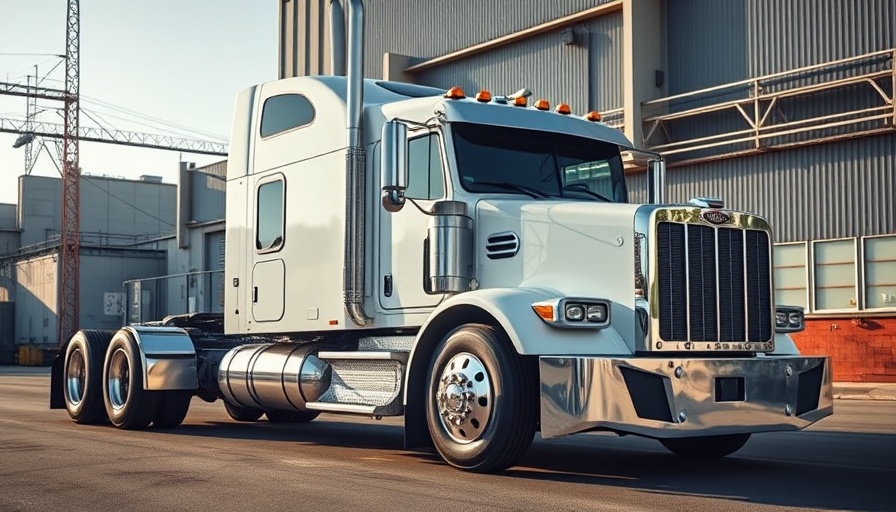
Peterbilt Model 567EV Electric Truck parked in urban setting.

Introducing the Electric Power Revolution: Peterbilt’s Model 567EV

Peterbilt is making waves in the construction and heavy-duty vehicle market with the introduction of the Model 567EV, its first electric vocational truck. Tailored for industries that require utility trucks, dump trucks, and equipment haulers, this vehicle signifies an important step toward sustainability and cost efficiency in operations.

Why Electric? The Cost-Saving Advantage

Designed primarily for short-haul applications, the 567EV caters to businesses where range and idle time align well with electric vehicle capabilities. With a range generally capped at 250 miles and the ability to generate energy while parked via the electric Power Take-Off (ePTO), the Model 567EV is positioned to provide a genuine total cost of ownership (TCO) benefit. Peterbilt's Erik Johnson emphasizes that many operational fleets are looking to make the shift to electric - and for good reason. "Electricity can often be more cost-effective than diesel, making it a pragmatic choice for forward-thinking businesses," he notes.

The Shift to Sustainability: Meeting Zero-Emission Goals

As businesses in construction and related fields face increasing zero-emission pressures, the Model 567EV arrives at a crucial time. Businesses interested in sustainable practices can find common ground with legislation aimed at reducing vehicular emissions. Mitesh Naik from Peterbilt highlights how trucks like the 567EV can help companies meet stringent governmental regulations while still managing operational efficiency. This dual benefit of compliance and cost-saving makes the transition to electric more appealing.

Real-World Applications: Success Stories in Utility and Beyond

The versatility of the Model 567EV is particularly evident in its applicability across various sectors, including municipalities and construction sites. Concrete mixer operations, for example, stand to gain significantly by adopting electric trucks that allow for overnight charging after service. The operational efficiency and environmental impact offer a compelling narrative for business leaders aiming to modernize their fleets.

Future Trends: The Road Ahead for Electric Vocational Trucks

With the initial interest already apparent from utility and municipal fleets, the demand for electric vocational trucks is likely to grow. As costs for batteries decrease and charging infrastructure improves, experts anticipate a rapid uptick in electric truck adoption across more sectors within the commercial construction industry. Addressing both environmental concerns and economic considerations, the Model 567EV could very well lead the charge into a greener future for heavy-duty vehicles.

In closing, businesses in the commercial construction space have an opportunity to reassess their operational strategies with the advent of electric vehicle technology. The Model 567EV not only symbolizes innovation but also reflects a considerate approach to modernizing fleets for a sustainable future.

Equipment

4 Views

0 Comments

Write A Comment

*
*
Related Posts All Posts
01.14.2026

Merlo's Multi-Application Telehandlers: A Game Changer for Construction

Update Embracing Versatility: The Future of Telehandlers At ConExpo 2026, Merlo America is set to revolutionize the telehandler market by introducing multifunctional machinery that could redefine equipment use across construction and agriculture. The company is moving away from traditional, single-purpose machines to a model that advocates for versatility and efficiency. "The era of the single-purpose telehandler is over," said Cole Renken, general manager of Merlo America, signaling a transformative shift in how operators and businesses can maximize the utility of their machinery. The Advantages of Multi-Application Platforms With the unveiling of 14 telehandler models alongside 12 specialized attachments, Merlo aims to demonstrate how a single machine can effectively replace multiple units. This shift not only simplifies equipment management but also significantly reduces capital expenditure. It reflects a growing trend in construction and agriculture: the need for equipment that can perform multiple tasks typically handled by various machines such as wheel loaders or skid steers. For instance, the ROTO 50.35SPLUSEE4CVT, when paired with relevant attachments, can accomplish tasks that previously required the use of several distinct devices. Real-World Applications and Benefits The multi-application capabilities of the telehandlers are particularly beneficial in sectors facing rising operational costs and a need for more efficient workflows. Merlo's Panoramic 120.10HM, equipped with a newly introduced Pipe Handler, illustrates its expanded functionality in utility and infrastructure projects. These innovations not only improve productivity but also introduce a level of flexibility that allows operators to tackle a wider range of challenges on the job site. Interactive Learning Opportunities at ConExpo 2026 The Merlo booth (F22041) will feature interactive displays including a racing simulator where attendees can compete against professional drivers. Such experiences are designed to engage users directly with the technology, allowing for an appreciation of the precision and responsiveness required in operating these advanced machines. Additionally, dedicated areas for deeper discussions will facilitate meaningful exchanges between industry leaders, emphasizing the importance of collaboration and continuous learning in the evolving construction landscape. Looking Ahead: The Future of Construction Equipment As the construction industry grapples with labor shortages and increasing demands for productivity, utilizing multi-purpose equipment like Merlo's telehandlers may be a compelling solution. Businesses that embrace this paradigm shift will not only enhance their operational capabilities but also position themselves as leaders in innovation. Industry players should prepare for this change, which values adaptability and multifunctionality over traditional, narrowly defined equipment usage. In closing, Merlo's commitment to showcasing a versatile range of telehandlers at ConExpo 2026 sets a new standard for the industry. By investing in equipment that can serve multiple functions, companies may find they can cut costs while expanding their operational capacity.

01.10.2026

Unlocking Lessons from the Stolen Wheel Loader Incident: Safety in Construction

Update A Shocking Incident: Heavy Machinery on the Loose On January 4, a bizarre series of events unfolded in Henderson, Nevada, where a 33-year-old man, Juan Rincon Carreno, stole a Kawasaki wheel loader from a construction site. This heavy machinery episode quickly escalated as Carreno allegedly attempted to run over police officers and rammed two patrol vehicles, leading to a police intervention that ended in shots being fired. The repercussions of such an event highlight critical safety and operational considerations for construction businesses and local authorities alike. Understanding the Sequence of Events The disruption began around 9 a.m. when local police were alerted to a theft in progress. Security footage showed Carreno hopping a fence and hotwiring the machine. Soon after, he threatened a security guard with a screwdriver, a detail that underscores the potential dangers construction site personnel might face. As officers responded swiftly, they encountered a hostile suspect determined to evade arrest by using the heavy equipment as a weapon. Legal Repercussions for the Suspect Following the confrontation, Carreno was hospitalized after being shot by police. He faces serious charges, including two counts of attempted murder and grand larceny of a motor vehicle. Importantly, this incident raised questions about empathy towards individuals suffering from mental health issues, as Carreno was reportedly carrying writings indicating suicidal ideologies. This dimension of the case reminds the community of the need for mental health awareness and support. Impact on the Community and Construction Sector The ramifications of such incidents reverberate beyond the immediate situation. For business owners and property developers, it raises alarm bells about on-site security measures, personal safety, and the protocol for handling aggressive individuals. Enhanced training for security personnel and better communication systems could be vital in preventing future occurrences. The need for robust emergency response plans is clearer than ever. Technological Solutions for Prevention Considering Carreno's ability to manipulate heavy machinery, employing technology such as improved surveillance systems and advanced access controls may better safeguard construction sites. Additionally, integrating Building Information Modeling (BIM) can streamline site operations and enhance safety protocols, ensuring that workers are always aware of their surroundings. A Call to Action: Invest in Safety Practices As the dust settles from this shocking display of reckless behavior, there emerges a crucial lesson for all involved in the construction sector. Safety protocols must be strengthened with clear guidelines and proactive measures to protect not only property but the individuals who work tirelessly to develop our communities. If you manage construction activities, consider reevaluating your safety protocols to foster a secure working environment that mitigates risks associated with similar incidents.

01.09.2026

Discover How Dozers Are Revolutionizing Wildfire Combat in Texas

Update Fighting Fire with Machines: The Rise of Dozers in Wildfire Control In the midst of wildfires in East Texas, a remarkable video has captured the intense battle between flames and technology. The Smith County Emergency Services District 2 recently shared a video from the cab of a dozer actively fighting a blaze, offering a unique glimpse into this critical firefighting effort. These specialized machines are becoming increasingly vital in managing wildfires, illustrating an evolution in fire prevention techniques. Dozers: The Unsung Heroes of Wildfire Combat The dozers utilized by emergency services in Smith County are not your typical construction equipment; they are designed specifically for firefighting. Equipped with robust forestry plows and large front blades, these machines engage directly with wildfires, forging fire breaks to alter the landscape and curb the spread of flames. According to Battalion Chief Raymond Murillo, these plows help separate the fuel from fires, crucial in reducing the threat to nearby structures. Critical Real-time Response During Emergencies During a recent spree of fires exacerbated by dry conditions and high winds, the effectiveness of these dozers was evident. On January 5, they successfully extinguished a 4-acre blaze that endangered 57 structures. Emergency teams, including dozer operators with special certifications, are crucial first responders, arriving on the scene to mitigate risks before traditional firefighting units can intervene. The rapid deployment can make a significant difference in property protection and overall safety during wildfires. Investing in Firefighting Technology The financial commitment to these dozers can exceed $250,000 each, but this investment represents a strong return in community safety. Operations Chief Eric Greaser noted that these dozers had proven indispensable to their firefighting strategy, rapidly containing fires that might otherwise grow uncontrollable. The three specially equipped dozers enable a quicker geographical response, creating a proactive framework for managing fire threats in high-risk areas. The Future of Firefighting and Community Preparedness As climate change continues to challenge communities with increased wildfire occurrences, the role of advanced firefighting technology cannot be overstated. Investing in machinery like dozers is not just about short-term firefighting efficiency; it represents a long-term commitment to community resilience. Businesses in construction and property development should consider the implications of evolving firefighting technologies in their planning and risk management strategies. A Call to Action: Community Safety and Awareness For business owners and community members, understanding the capacity of local services in disaster management is vital. With the fires nearing homes and businesses, knowing that specialized equipment like dozers is on standby provides assurance. Communities should remain vigilant, avoid outdoor burning, and support local emergency services in their firefighting endeavors. Investing in education about local firefighting capabilities and participating in community safety measures can empower property developers and homeowners alike to protect their environments. As such, businesses should engage actively in dialogues about their role in fire prevention and preparedness, enhancing not just infrastructure but community resilience.

Terms of Service

Privacy Policy

Core Modal Title

Sorry, no results found

You Might Find These Articles Interesting

T
Please Check Your Email
We Will Be Following Up Shortly
*
*
*