Add Row
Add Element
cropper
update
Build Well Texas
update
Add Element
  • Home
  • Categories
    • Construction Technology & Innovation
    • Health, Wellness and Workplace Safety
    • Sustainable Building & Green Construction
    • Equipment
    • Resources
    • Business and Finance
    • Project Management & Best Practices
    • Construction Trends & Industry Insights
    • Community Development
    • Executive Interviews and Company Profiles
    • Design Trends & Space Optimization
April 10.2025
3 Minutes Read

Understanding the Role of Construction Managers: 6 Key Responsibilities

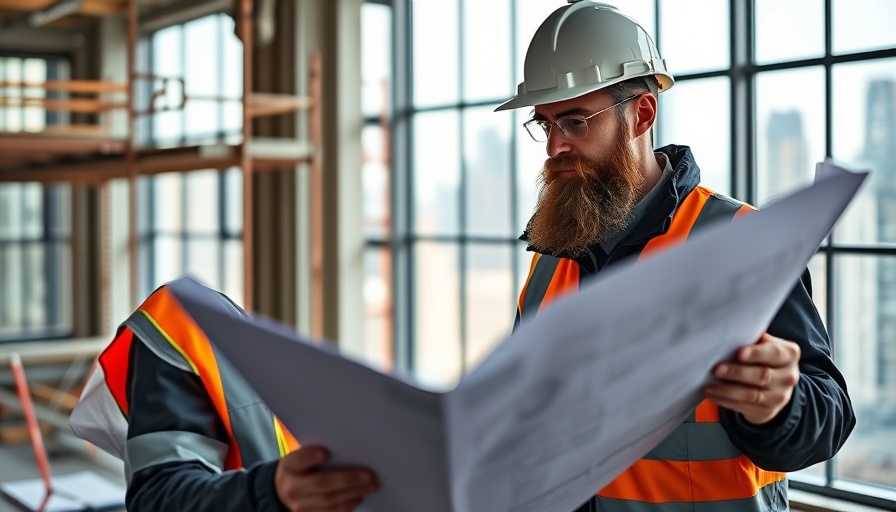
Construction manager examining plans on a site with scaffolding.

The Essential Role of Construction Managers in Project Success

Construction managers serve as the backbone of every successful building project, a crucial role spanning from concept to completion. These experts play multiple roles daily, each vital for ensuring that construction processes are executed on time, within budget, and to the highest quality standards.

Six Core Responsibilities of Construction Managers

In exploring what a construction manager does, we highlight six core responsibilities.

1. Project Planning and Scheduling

Effective project planning is the bedrock of construction management. From the initial analysis of the project scope, budget, and deadlines, construction managers break down work into manageable phases. Utilizing tools like Gantt charts and Building Information Modeling (BIM), they create realistic timelines that guide the entire project. According to a McKinsey study, a staggering 98% of megaprojects experience cost or schedule overruns, underscoring the necessity of strong project planning.

2. Cost Management and Budgeting

A construction manager's ability to control costs directly impacts project outcomes. Before commencing work, they prepare detailed budgets accounting for labor, materials, and unforeseen contingencies. Research from FMI Corp highlights that poor cost estimation is a leading cause of project failure. With project management software at their disposal, construction managers meticulously track expenses and adjust budgets as necessary, ensuring accountability throughout the process.

3. Quality Control and Assurance

Delivering high-quality results is non-negotiable in construction management. Managers enforce strict quality standards via inspections and checklists while staying updated on codes and regulations. The Construction Industry Institute notes that rework, often due to inadequate quality control, can cost up to 5% of the total project budget—a needless expense that can be mitigated through rigorous quality assurance frameworks.

4. Risk Management

Construction is fraught with uncertainties, from labor shortages to unpredictable weather conditions. The proactive approach of construction managers is evident in their detailed risk assessments conducted at the planning stage. By identifying potential hazards and scoring them based on likelihood and impact, they develop strategies to mitigate risks before they escalate into costly delays.

Why Understanding Construction Management Matters

For business owners, property developers, and facility managers, knowing the ins and outs of construction management is invaluable. Understanding the essential responsibilities of these professionals can empower clients to make informed decisions and optimize their construction projects. From planning and budgeting to risk management, each aspect is crucial for achieving desired outcomes.

Future Trends in Construction Management

As technology continues to advance, the construction industry is evolving rapidly. Innovations such as automation and sustainable materials are becoming integral to contemporary construction practices, catering to the growing demand for efficiency and sustainability. Future construction managers will need to adapt to these changes and leverage technology to maintain a competitive edge in a shifting market landscape.

Conclusion

Understanding the roles and responsibilities of a construction manager is not just for those in the industry; it’s essential for anyone looking to embark on a construction project. With insights into project planning, budget management, quality control, and risk assessment, stakeholders can optimize their collaborations with construction teams. Be proactive and informed—your project's success may depend on it!

For further insights into the dynamic world of construction management, stay tuned to our blog, and explore how these innovations can apply to your upcoming projects.

Construction Technology & Innovation

2 Views

0 Comments

Write A Comment

*
*
Related Posts All Posts
01.14.2026

Exploring the Cal Community Center: A Purple Beacon for Health and Community

Update A Community Center That Radiates Well-BeingIn Caledonia, Michigan, a remarkable new community center is making waves with its vibrant design and state-of-the-art facilities. The Cal Community Center, a collaboration between the YMCA of Greater Grand Rapids and Caledonia Community Schools (CCS), has become a beacon of health, wellness, and community connection. Spanning over 47,000 square feet, this facility not only stands out for its eye-catching purple hues, but also for its thoughtful architectural design and functionality. Designing with Purpose and FunctionalityThe vision for the center was anchored in the need for a versatile space that caters to all community generations. With features including a fitness area, kids’ zone, indoor track, basketball court, and a splash pad, flexibility was a key driver in the design process. The architectural firms Stantec and C2AE made significant strides in creating a dynamic environment that promotes active lifestyles. One standout feature is the cantilevered translucent form above the entrance, which allows natural daylight to permeate the interior spaces, creating a welcoming atmosphere. Integrating Sustainability and Aesthetic AppealEnvironmental sustainability played a vital role in the construction, as indicated by the integration of polycarbonate wall systems. These unique wall assemblies not only ensure excellent thermal performance, but they also minimize solar heat gain. High-quality daylight, evenly distributed throughout the facility, ensures comfort for users engaging in various activities while reducing energy consumption. As David Anderson, a reporter covering transformative technologies in construction, notes, such design innovations align with modern sustainable building practices that enhance user experience while preserving natural resources. Community Connection Through RecreationBeyond the architectural grandeur, what truly matters is how the facility serves its community. The Cal Community Center aims to strengthen communal ties by offering programming that encourages both physical activities and social interactions. YMCA President Scott Lewis emphasized its role as a collaborative space where individuals can prioritize health and wellness, highlighting its significant value to families and local residents. Looking Ahead: The Future of Community CentersThe opening of the Cal Community Center symbolizes a shift in how communities can look towards the future of recreation and well-being. By prioritizing shared spaces that advocate for healthful lifestyles and connectivity, other communities may take similar initiatives to enhance their local offerings. As such, this center represents not only a local development but a trend in community-focused planning that could reshape public spaces across the country. With its engaging design, robust programming, and commitment to sustainability, the Cal Community Center stands as a model of what modern community facilities should aspire to be. As it continues to evolve, it will likely inspire surrounding communities to explore innovative approaches to integrating health, wellness, and architectural excellence.

01.14.2026

Unlocking Affordable Safety: Robust UK Partners with HOPPE for Panic Exit Solutions

Update Revolutionizing Security Exits with Robust UK and HOPPEIn a significant move for the construction and security hardware industries, Robust UK has teamed up with HOPPE (UK) to introduce a new line of exclusive panic exit hardware for security doors. This strategic partnership aims to create cost-effective and security-tested emergency exit solutions, catering to today's pressing safety concerns in various sectors, including education and healthcare.Meeting the Demands of Modern SafetyThe ARRONE panic hardware, suitable for both single and double doors, has undergone rigorous third-party testing on Robust’s PAS 24 certified doors. This certification assures users of high security standards, crucial for properties such as schools, hospitals, and residential developments where safety is paramount. Technical Director Jason Robinson highlights that market research revealed a clear demand for emergency exit solutions that not only ensure safety but also align with budget specifications.Exclusivity and VersatilityRobust's SECUR-DOR 2.1 system stands out by providing maximum adaptability across a variety of openings within a site. Features such as a satin nickel-plated finish ensure that the hardware is resistant to wear and tear, enhancing its longevity and reliability. Best of all, it is being offered as both fire-rated and certified for thermal performance in compliance with UK Building Regulations, which is a benchmark for safety and sustainability in construction.A Collaborative Approach to Future-Proofing SecurityThe collaboration between Robust UK and HOPPE not only expands the offerings available in the market but also signifies a commitment to innovation. HOPPE's Business Development Manager, Karen Nelson, notes the importance of combining expertise to meet modern challenges in safety hardware. This partnership results in a future-proof solution that is poised to adapt to evolving security standards, ensuring that users can upgrade their fire exits without incurring prohibitive costs.Conclusion: Empowering Cost-Effective UpgradesThe introduction of the ARRONE panic hardware by Robust in collaboration with HOPPE represents a significant step forward in providing cost-effective, high-security solutions for property developers, facility managers, and social housing projects. This partnership not only addresses current industry demands but also paves the way for future advancements in security and construction technology. As these innovative solutions become more accessible, upgrading to security-certified exits is no longer a luxury but an attainable necessity for many.

01.07.2026

How Open-air Courtyards Are Revolutionizing Residential Design

Update Connecting Nature with Living Spaces The emergence of open-air courtyards in residential designs is more than just a trend; it embodies a newfound commitment to promoting well-being among residents. The innovative complex designed by Hacker in Brooklyn, Southeast Portland, is a paragon of this approach. This five-story, 166-unit building integrates outdoor courtyards as central elements that merge indoor and outdoor living spaces, deliberately inviting fresh air and natural light into everyday life. How Open-air Courtyards Enhance Residential Living These courtyards serve as the "front yards" for residents, offering comfortable seating, planters, and vine-covered pathways that extend into open terraces. Each courtyard is wrapped in Western red cedar and adorned with lush greenery. This design not only beautifies the space but also contributes to a calming atmosphere essential for mental well-being. Reports have shown that access to green spaces significantly reduces stress levels and promotes relaxation, making such designs beneficial to residents’ health. Building Community Through Design Architectural elements like exterior walkways and open-air stairs encourage interaction among residents. The layout reinforces a sense of community: as neighbors meet while walking to their apartments, the design fosters unforeseen social opportunities. The thoughtfully designed shared amenities, such as a lounge, coworking space, and fitness center, accompany the main features of this residential complex, aligning perfectly with the contemporary need for both private and communal spaces. Affordability Meets Aesthetic Excellence With the strategic use of mechanized parking stackers, the developers have cleverly optimized parking efficiency, transforming the space into more units affordable for potential residents seeking modern living close to urban amenities. This holistic approach not only addresses the housing crisis but does so while ensuring a high quality of life for its tenants. What the Future Holds for Residential Spaces As urban environments continue to evolve, integrating nature with modern apartment living will likely remain a priority. More property developers are recognizing those innovative open-air designs can provide significant health benefits and contribute to a higher living standard. The innovative complex in Portland stands as a potential model for future developments, indicating a shift toward designs that prioritize wellness and community connection over mere occupancy. To embrace the future of living, property developers and community leaders must consider these transformative designs that prioritize both aesthetics and functional spaces to create environments where residents can thrive.

Terms of Service

Privacy Policy

Core Modal Title

Sorry, no results found

You Might Find These Articles Interesting

T
Please Check Your Email
We Will Be Following Up Shortly
*
*
*