 Add Row
  Add
Add 


Did you know that over 65% of commercial construction firms hit a ceiling in growth simply because they can’t access the right networks or partnerships? In today’s competitive market, strategic partnerships aren’t just nice to have—they’re becoming the primary lever for sustainable expansion and long-term success. CEOs, CFOs, and C-suite leaders are discovering that building robust alliances is the key to unlocking new opportunities, boosting efficiency, and transforming their construction business growth trajectory.
What You'll Learn About Scaling Commercial Construction Firms Through Strategic Partnerships
How strategic partnerships can drive business growth for commercial construction firms
Benefits and challenges of scaling a construction business through industry alliances
Best practices and real-world examples of effective project collaborations
Actionable steps for CEOs and CFOs to leverage commercial construction partnerships

The Startling Truth: Why Most Commercial Construction Firms Plateau—And How Strategic Partnerships Change the Game
"Over 65% of construction businesses cite stagnant growth due to limited networks—strategic partnerships are revolutionizing the industry." – Construction Industry Report
For many commercial construction firms, stagnation is not just the result of market cycles but a natural consequence of operating within isolated silos. While great projects and a strong reputation can carry a business to a certain threshold, scaling a construction business beyond that plateau requires fresh thinking and the willingness to explore new frontiers. Strategic partnerships have emerged as the differentiator. They provide access to broader networks, diversified skillsets, advanced management software, and expanded service offerings, fundamentally redefining what's possible for firms seeking to dominate their market segment. When industry leaders recognize the value of effective project collaborations, they position their companies at the forefront of innovation and business growth.
The change is not just incremental—it's transformative. Leveraging connections with technology providers, suppliers, and even former competitors enables construction companies to pool resources, manage risk, and attack new markets efficiently. For C-suite executives, building these alliances is more than a strategic plan—it's a proven pathway for maximizing commercial construction project value and achieving sustainable business growth.
Understanding Strategic Partnerships in Commercial Construction
Defining Strategic Partnerships in the Construction Business
Within the construction industry, a strategic partnership is a formal alliance between two or more organizations that share a common goal: to scale efficiently, expand capabilities, and deliver superior project outcomes. Such partnerships go far beyond standard contracts or vendor-client relationships. They are built on mutual trust, transparency, and a commitment to long-term business growth.
Whether it’s a joint venture created for a specific commercial construction project, an ongoing collaboration between a contracting firm and a technology startup, or an integrated supply alliance, each strategic partnership is designed to improve efficiency and provide a competitive edge. These relationships unlock access to new geographies, shared resources, and innovative technologies—key factors for scaling a commercial construction business in today’s market.
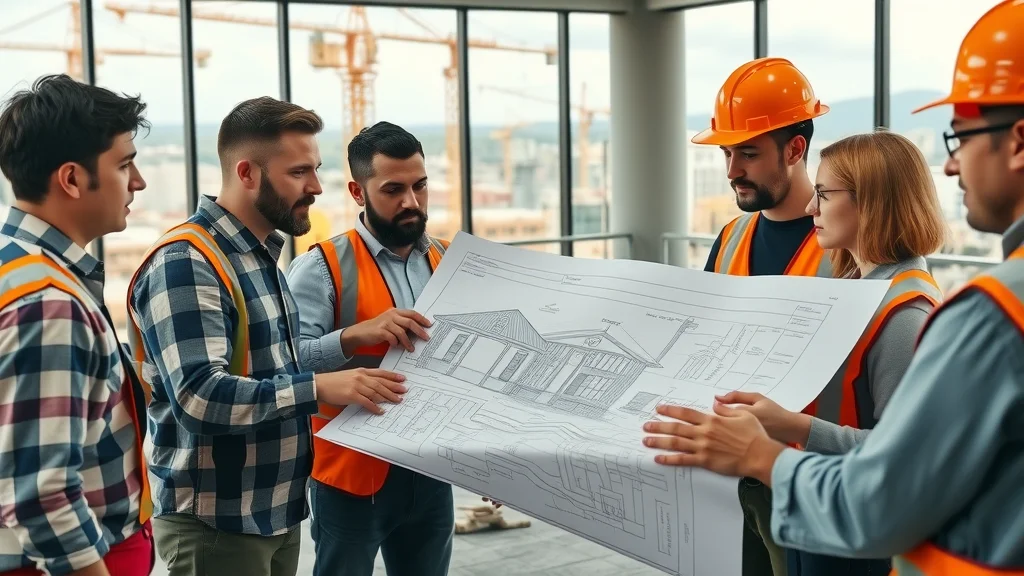
Types of Strategic Partnerships for Scaling a Construction Company
CEOs and CFOs considering scaling a construction business should recognize the major forms these game-changing alliances can take:
Joint ventures: Two or more companies combine resources to pursue specific projects or markets, sharing risk and reward.
Vendor-supplier alliances: Long-term agreements with suppliers guarantee pricing, quality, and consistent supply, ensuring smooth project delivery.
Technology partnerships: Collaborations with software firms to integrate BIM, project management software, and other digital solutions to enhance productivity and communication.
Design-build collaborations: Architects, engineers, and contractors join forces under a unified contract, creating seamless project outcomes and boosting client satisfaction.
Understanding which type of strategic partnership aligns best with your firm’s goals is crucial for effective project scaling and maximizing ROI.
Why Strategic Partnerships Are Essential to Scaling Commercial Construction Firms
Addressing Capacity Limitations
A recurring obstacle for commercial construction businesses striving for growth is the struggle with limited workforce, constrained cash flow, or resource bottlenecks. A well-structured strategic partnership alleviates these capacity issues by pooling expertise, assets, and support functions across entities. For example, when demand spikes or major projects require increased manpower, alliances allow firms to tap into wider talent pools, lease equipment, and share operational costs.
This collaborative approach is particularly beneficial for handling complex construction projects that exceed the internal capacity of a single construction pro. By partnering strategically, companies can take on larger contracts, mitigate delays due to change orders, and stabilize their business grow trajectory during periods of uncertainty or expansion.

Accelerating Business Growth and Expansion
Strategic partnerships are key drivers in accelerating business growth for construction companies. Instead of relying solely on organic scaling methods—such as hiring or acquiring new clients one by one—alliances instantly open doors to new markets, project types, and higher-value contracts.
By forming partnerships with established industry experts, technology providers, or regional players, companies can leverage their partners' track record, local knowledge, and networks to capture opportunities far beyond their traditional reach. This approach not only speeds up expansion but also enhances your firm’s reputation as a construction pro capable of executing landmark projects on tight deadlines.
Enhancing Service Offerings and Competitive Advantage
One of the most powerful benefits of strategic alliances is the ability to broaden service offerings, making your construction business far more attractive to potential clients. Collaborations with design firms, technology vendors, or project management consultants enable you to deliver turnkey solutions, integrated design-build services, or cutting-edge digital project delivery platforms.
This expanded offering directly impacts client satisfaction and sets your firm apart in a saturated market. As one CEO of a leading construction pro firm puts it:
"Strategic partnerships allow us to offer turnkey solutions and stay ahead of the competition." – CEO, Leading Construction Pro Firm
By integrating these expanded capabilities, C-level executives can position their companies as industry leaders while benefiting from shared risks, increased cross-selling opportunities, and higher project revenues.
Key Drivers of Growth: How Scaling Commercial Construction Firms Through Strategic Partnerships Impacts Performance
Expanding Geographic Reach and Market Access
One of the most direct advantages of scaling commercial construction firms through strategic partnerships is geographic expansion. Entering new markets independently is often prohibitive, with high up-front costs, regulatory hurdles, and unfamiliar competitive landscapes. Partnering with local construction companies or specialized contractors provides valuable insights, pre-existing connections, and shared resources, dramatically reducing the barriers to entry.
Firms leveraging joint ventures and local alliances can successfully bid on region-specific projects, meet unique municipal requirements, and gain access to a wider commercial client base. The result is faster market penetration, enhanced credibility, and a proven ability to adapt service offerings to localized market trends.

Streamlining Project Management for Effective Project Delivery
Project management remains a cornerstone of any successful construction business. In a partnership model, best practices, management software, and standard operating procedures can be shared and optimized across partner organizations, making project delivery more seamless and predictable.
Companies aligned through strategic partnerships typically see fewer delays, improved milestone tracking, clearer change order management, and faster resolution of unforeseen challenges. Enhanced communication channels, accountability measures, and effective project dashboards all contribute to higher client satisfaction and a smoother workflow.
Accessing New Technologies and Management Software
Technology is rapidly reshaping every aspect of commercial construction. Strategic partnerships provide direct access to the latest project management software, Building Information Modeling (BIM) tools, cloud-based documentation systems, and automated bidding platforms—without the risk and cost of independent investment.
Construction businesses that embrace tech-based partnerships can integrate digital workflows, enhance transparency for project stakeholders, and leverage data-driven insights for more accurate forecasting. In turn, they outperform competitors, driving sustained business growth and stronger project outcomes.
Spotlight on Success: Case Studies of Commercial Construction Firms Scaling Through Strategic Partnerships
Case Study 1: Joint Venture Enables Regional Expansion
A Texas-based commercial general contractor teamed up with a regional civil engineering firm to pursue government infrastructure contracts. By pooling their track record, deepening market knowledge, and deploying complementary resources, both companies became eligible for larger projects previously out of reach.
Over the course of two years, their joint venture secured $120M in new contracts, expanded operations into three new states, and established a robust system for effective project delivery. This strategic partnership showcased that with the right governance and shared objectives, scaling a construction business can be both rapid and profitable.

Case Study 2: Technology Collaboration Enhances Project Efficiency
A mid-market construction pro entered a technology partnership with a leading project management software developer. The software integration streamlined document sharing, real-time communication, and on-site progress tracking. As a result, the company saw a 30% decrease in project delays, better change order visibility, and substantially improved client satisfaction ratings.
This case highlights how aligning with a technology expert not only improves efficiency but also drives innovation and operational excellence—key factors for successful scaling in commercial construction.
The Strategic Partnership Process: A Step-by-Step Guide for Construction Business Leaders
Identifying the right partners for business grow alignment
Establishing clear partnership objectives and KPIs
Negotiation and contract considerations
Governance and ongoing communication best practices
The journey to forming impactful strategic partnerships requires careful planning and a systematic approach. First, assess your firm’s objectives and gaps—whether in service offerings, technology, or market reach. Conduct due diligence on potential partners, examining their project portfolios, cash flow strength, and track record. Once the ideal alliance is identified, formalize terms, set measurable KPIs, and establish dedicated communication channels to ensure sustained success on every construction project.
This explainer video demonstrates how collaborative project dashboards, integrated management software, and real-time digital tools form the backbone of successful strategic partnerships in commercial construction. Insights from industry leaders and animated models further highlight how to leverage software for effective project delivery.
Overcoming Challenges in Scaling a Construction Business Through Strategic Partnerships
Mitigating Risk in Construction Project Collaborations
Every partnership entails some risks—contract disputes, misaligned expectations, and operational surprises. C-suite leaders must prioritize transparent contracts, define clear change order protocols, and implement shared risk assessment guidelines. Working with experienced legal and financial advisors ensures all parties understand their responsibilities and prepare for contingencies, protecting cash flow and reputation throughout every phase of the construction project.
Regular joint reviews, ongoing compliance checks, and contingency planning lay the foundation for resilient and trustworthy alliances that endure beyond the initial project scope.

Managing Culture and Integration Issues in Construction Company Alliances
Cultural misalignment is a frequent barrier to successful strategic partnerships. Construction companies often have entrenched ways of working, unique safety standards, or different communication protocols. Proactive integration planning, cross-team training sessions, and establishing shared values are vital for smoothing transitions.
Effective leadership champions respect and inclusivity, fosters ongoing learning, and addresses integration challenges head-on so that everyone remains focused on the common goal—delivering successful projects and growing the business.
Commercial Construction Trends: How Strategic Partnerships Are Shaping the Future
Trend |
Impact |
|---|---|
Increasing Alliances with Tech Startups |
Enhanced project management and efficiency |
Rise of Integrated Project Delivery Models |
Improved collaboration and reduced costs |
Focus on Sustainable Construction |
Access to green technologies via partnerships |
Emerging alliances with technology startups and sustainability experts are driving commercial construction toward leaner operations, greener solutions, and more client-centric delivery models. Strategic partnership trends prove that future growth and relevance are anchored in collaboration, innovation, and adaptability.
How to Evaluate Strategic Partnership Opportunities for Scaling Commercial Construction Firms
Assessing alignment in project goals and values
Due diligence on partner reputation and capabilities
Forecasting the ROI for commercial construction business growth

Careful screening ensures each new alliance is a net positive, not just a short-term fix. Analyze the strategic fit regarding market approach, project management methodologies, and financial stability. Review each partner’s historical performance, client satisfaction levels, and operational synergies. Finally, model the expected ROI, including impacts on bid wins, sales, and resource allocation.
Watch leading C-suite executives review their most successful strategic alliances: from initial negotiations, through risk management, to ongoing culture integration. Unlock actionable tips and lessons learned for maximizing every commercial construction partnership’s potential.
Maximizing Value: Best Practices for Managing and Nurturing Strategic Partnerships
Building Strong, Transparent Communication Channels
Open, honest, and consistent communication is the cornerstone of every enduring strategic partnership. Regular project updates, clear escalation protocols, and transparency regarding schedules or challenges ensure that all stakeholders stay aligned. Emphasize shared project dashboards and collaborative forums, both digital and face-to-face, to foster trust and collective accountability.

When teams communicate seamlessly, issues are caught early, change orders are processed swiftly, and standards are consistently maintained, resulting in higher client satisfaction and better project outcomes.
Leveraging Technology for Ongoing Project Management
Deploying integrated management software and cloud-based tools magnifies the effectiveness and accountability of joint projects. Make technology adoption a strategic plan from the start, with training sessions and shared implementation goals. This ensures that all sides can access real-time jobsite data, automate repetitive tasks, and receive timely alerts related to deadlines or safety concerns.
In today’s fast-moving market, digital project management stands as a non-negotiable best practice—creating time and cost savings, reducing risk, and enhancing project visibility for all stakeholders.
Setting Benchmarks to Measure Effective Project Outcomes
Success in scaling a construction business through partnership should be measurable. Define key performance indicators (KPIs) such as on-time project delivery, budget adherence, client satisfaction scores, and repeat business rates before the work begins. Review these benchmarks regularly and adjust your strategic plan accordingly.
A transparent performance review system not only drives continuous improvement but also solidifies trust among partners, laying the groundwork for future collaborations.
Common Pitfalls to Avoid When Scaling Commercial Construction Firms Through Strategic Partnerships
Poor alignment of business objectives
Neglecting ongoing relationship management
Inadequate project risk assessment
Underutilization of management software
Avoiding these pitfalls requires proactive strategic planning, clear communication, and regular review of both operational and cultural alignment. C-suite leaders who maintain focus on core goals and nurture strong partner relationships are best positioned to thrive in the evolving commercial construction landscape.
Sales, Marketing & Branding Advantages Gained by Scaling Commercial Construction Firms Through Strategic Partnerships
Expanding Service Offerings for a Wider Client Base
Through strategic alliances, construction companies significantly broaden their service offerings. For example, teaming with a sustainability consultant can unlock green building opportunities, while partnering with design experts enables firms to compete for high-value integrated projects. This increased suite of services appeals to a broader client base, strengthens bid proposals, and positions your brand as a one-stop construction pro.
Joint Marketing Campaigns and Lead Generation
Alliances open doors to joint sales and marketing efforts—including co-branded campaigns across social media, shared industry events, and access to each partner’s established network. By pooling client lists and leveraging each company’s reputation, teams generate more qualified leads, amplify brand awareness, and outpace competitors in securing new business.
Improving Construction Business Reputation Through Collaboration
A strong track record of successful strategic partnerships elevates a company’s brand—but more importantly, it inspires confidence in prospective clients, financiers, and stakeholders. Collaboration signals adaptability, innovation, and a commitment to continuous improvement, all of which are critical differentiators in commercial construction today.
Frequently Asked Questions About Scaling Commercial Construction Firms Through Strategic Partnerships
What are strategic partnerships in commercial construction?
Strategic partnerships refer to formal, long-term business alliances between construction firms and other companies such as technology providers, vendors, or regional contractors. These partnerships are designed to pool resources, expertise, or assets for mutual business grow and more effective project delivery.How do partnerships help in scaling a construction business?
Partnerships enable construction companies to expand service offerings, enter new markets, access specialized talent, and deploy advanced management software for streamlined project management. Together, these advantages accelerate business growth and strengthen competitive positioning.What risks should construction firms consider?
Key risks include misaligned goals, cultural differences, contract disputes, and potential cash flow strain. Careful planning, robust contracts, and ongoing communication can help mitigate these issues.How do you measure the success of a strategic partnership?
Establish KPIs such as on-time project delivery, increased sales, improved client satisfaction, and ROI. Regular performance reviews and open feedback loops are crucial.Can strategic partnerships improve project management efficiency?
Yes. By sharing resources, best practices, and management software, partners can handle projects more efficiently, reducing delays and boosting client satisfaction.
Key Takeaways for CEOs & CFOs: Why Now Is the Time to Prioritize Strategic Partnerships in Commercial Construction
Strategic partnerships are not optional—they are essential levers for growth.
The right alliances create sustainable advantages, from project delivery to sales.
Technology-enabled partnerships set new standards for industry leadership.
C-suite executives must champion and nurture collaborative growth strategies.
Ready to Scale?
Call us at 817-587-0747 or email me at Alan@AKPBusinessAdvisors.com to discover how your firm can scale efficiently through strategic partnerships in commercial construction.




Write A Comment