 Add Row
  Add
Add 


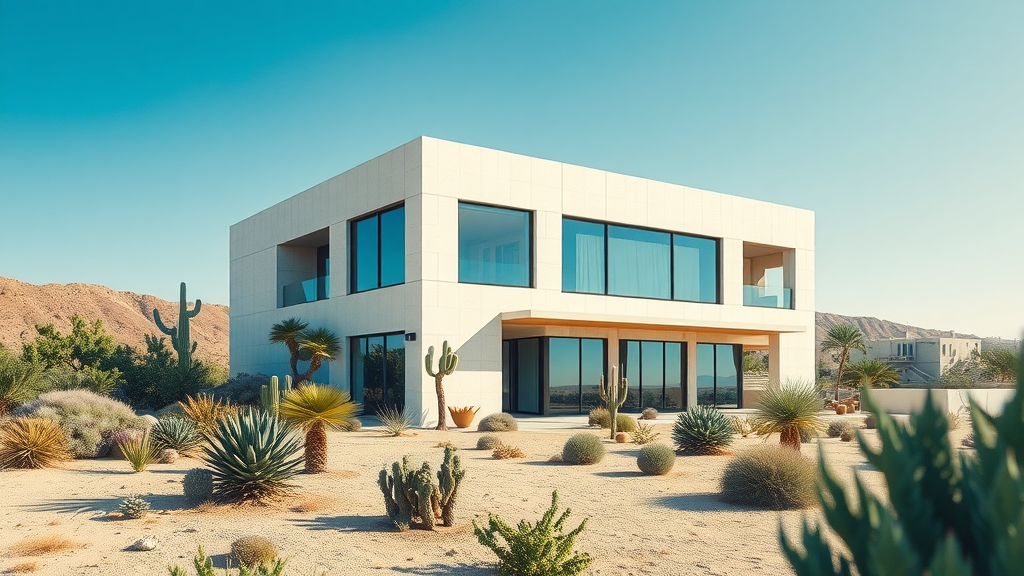
Did you know that by 2025, up to two-thirds of the world’s population may face water shortages? In arid regions—where climate change, explosive urban growth, and unpredictable rainfall converge—this crisis is hitting hardest. For CEOs and CFOs of construction firms, this isn’t just another statistic. It’s a call to rethink how your projects tackle water scarcity, maximize efficiency, and future-proof your portfolio with water conservation technologies for green construction in arid regions. This comprehensive guide unlocks the solutions transforming the industry—combining financial advantages, sustainability, and new, cutting-edge approaches for green buildings in some of the world’s driest climates.
A Startling Look: The Impact of Water Scarcity on Green Buildings in Arid Regions
"By 2025, nearly two-thirds of the world’s population may face water shortages—arid regions are at the epicenter."
Water scarcity in arid climates isn’t a future concern—it’s an urgent reality impacting every facet of green building construction today. In regions such as the southwestern United States and the Middle East, dwindling water supplies threaten the viability of new projects and the sustainability of existing developments. With rising temperatures and unreliable rainfall patterns, traditional approaches to building design are no longer sufficient. Instead, companies are under increasing pressure to implement advanced water conservation innovations to reduce water consumption, meet regulatory guidelines, and secure their license to operate. As governments intensify water resource regulations, and as investors scrutinize environmental performance, green construction’s promise—to balance growth with resource stewardship—is being put to the test like never before. Adopting smart water strategies is now a core competitiveness factor for forward-thinking firms.
The intersection of water scarcity, climate change, and green construction in arid regions means decision-makers must act decisively. Construction CEOs and CFOs now weigh not only initial project costs but also long-term water risk exposure, business continuity, and reputation in sustainability rankings. In this context, investing in water conservation technologies for green construction in arid regions evolves from optional enhancement to essential insurance—offsetting present vulnerabilities and unlocking robust operational and cost efficiencies.
What You'll Learn About Water Conservation Technologies for Green Construction in Arid Regions
How water conservation technologies drive sustainability in green construction
Leading strategies for water conservation in arid climate projects
The business advantage for construction firms adopting advanced water technologies
Case examples: successful water resource management in green buildings
The Business Case: Why Water Conservation Technologies Matter for Green Buildings in Arid Regions
For CEOs and CFOs steering construction firms through today’s market, water conservation technologies offer more than environmental benefits—they are strategic assets that enhance project ROI, brand value, and resilience. In arid regions, green buildings face extreme pressure to reduce water usage and ensure supply continuity. Failure to do so translates to costly operational disruptions, compliance penalties, or, worse, a tarnished public image. The latest water-efficient solutions align fiscal and environmental targets: smart irrigation, rainwater harvesting, and wastewater recycling not only cut operating costs by minimizing the amount of water purchased or treated, but also contribute to LEED certification—boosting project appeal to clients, tenants, and investors alike.
Firms that deploy advanced water management techniques can realize measurable gains: decreased utility bills, increased property values, and eligibility for green financing or government incentives. For example, high-performance buildings that integrate efficient irrigation systems and wastewater recycling can see a return on investment within 2–5 years through substantial water savings and reduced lifecycle costs. Critically, these approaches minimize risk related to water scarcity—ensuring construction projects withstand regulatory scrutiny and environmental volatility while positively differentiating themselves in a highly competitive market.
Comparison of Water Conservation Technologies for Green Construction in Arid Regions |
||||
Technology |
Initial Cost |
Estimated ROI (Years) |
Water Savings Potential |
LEED Certification Impact |
|---|---|---|---|---|
Smart Irrigation Systems |
Low-Medium |
1-2 |
Up to 50% |
+2-4 LEED points |
Rainwater Harvesting |
Medium |
2-4 |
15-30% |
+2-5 LEED points |
Wastewater Recycling |
High |
3-5 |
Up to 60% |
+3-6 LEED points |
Advanced Plumbing Fixtures |
Low |
<1 |
10-20% |
+2-3 LEED points |
Water-efficient Landscaping |
Medium |
2-4 |
25-40% |
+2-4 LEED points |
Defining Water Conservation Technologies for Green Construction in Arid Climates
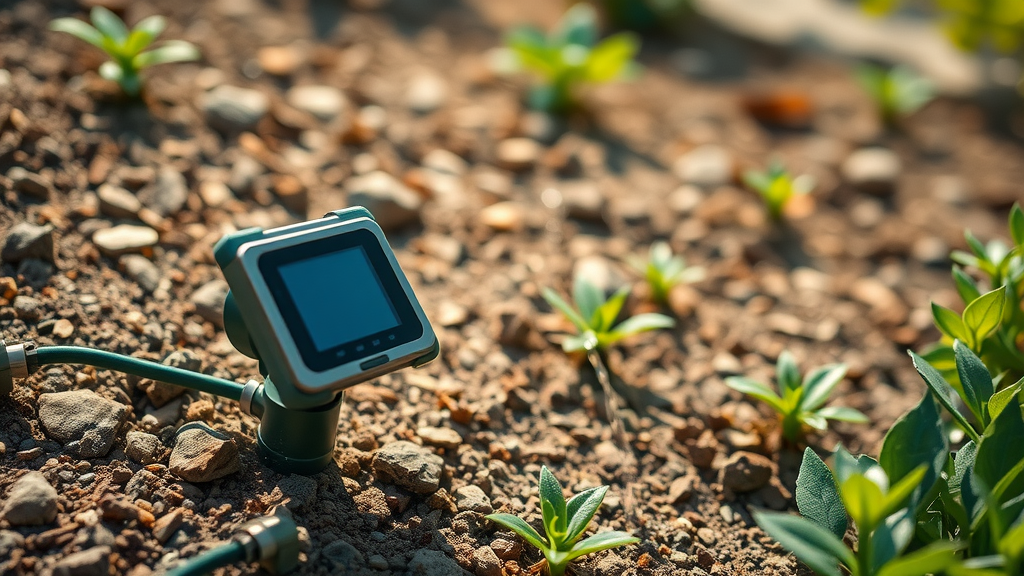
Water conservation technologies for green construction in arid regions encompass a suite of advanced solutions tailored to minimize water consumption and maximize reuse. In these harsh climates, traditional water-intensive practices are being replaced by strategic frameworks built on efficiency, monitoring, and innovation. At the core are smart irrigation systems, wastewater recycling, rainwater harvesting, high-efficiency fixtures, and water-efficient landscaping. These technologies collectively support robust water management plans, ensuring that buildings achieve regulatory compliance, mitigate risk, and set the benchmark for sustainable design.
By integrating sensors, real-time data analytics, and automated controls, modern green buildings can rapidly identify inefficiencies and adjust water usage in response to changing weather, soil moisture, or occupancy patterns. Smart irrigation methods significantly enhance water use efficiency by minimizing evaporation loss—a critical advantage in arid climates. Meanwhile, systems like greywater reuse and innovative storage tank designs enable buildings to conserve water and lower costs by capturing and reusing water that would otherwise be wasted. Ultimately, the combination of these technologies fosters a culture of resilience, operational excellence, and environmental leadership—all essential for construction companies looking to future-proof their developments while making a meaningful impact on global water scarcity.
Key Elements of Water Conservation in Green Construction
Smart irrigation systems
Wastewater recycling and reuse
Rainwater harvesting
Advanced plumbing fixtures
Water-efficient landscaping
How Water Conservation Technologies Reduce Water Use: Principles and Best Practices
Water conservation technologies succeed by combining innovative engineering with practical, site-specific strategies for maximum impact. In arid climates, where every drop counts, green buildings capitalize on both technological prowess and adaptive management. Key principles include using localized sensors to monitor soil moisture, optimizing irrigation methods to minimize waste, and layering water recycling into day-to-day building operations. These best practices not only reduce the amount of water used, but also increase overall system resilience, ensuring buildings remain functional during periods of extreme drought or changing municipal restrictions.
Best-in-class projects prioritize solutions that seamlessly integrate with existing infrastructure, facilitating staged upgrades and providing measurable performance analytics. Rainwater harvesting, wastewater recycling, and advanced water management software allow project teams to conserve water without compromising occupant comfort or landscape quality. The capacity to quickly assess, analyze, and act upon real-time water usage data distinguishes successful projects from legacy approaches plagued by inefficiency or unpredictability. The result is a substantial competitive edge—responsive, cost-effective, and adaptable buildings that outperform less-innovative peers in both environmental and financial metrics.
Smart Irrigation Systems and Efficient Irrigation System Integration
In arid regions, smart irrigation systems are redefining how landscapes are nourished in green construction projects. By employing advanced sensors, weather forecasting integration, and real-time controls, these systems dynamically adjust watering schedules based on local climate conditions and actual soil moisture readings. This approach sharply reduces waste and ensures that even in the most water-scarce environments, landscaping flourishes sustainably. Efficient irrigation systems—such as subsurface drip setups and precision sprinklers—further improve water delivery, making optimal use of every drop and minimizing risky runoff or evaporation.
Integration of smart irrigation technology with centralized water management platforms enables remote oversight and predictive maintenance, allowing building operators to respond to leaks or malfunctions quickly, thus curbing unnecessary water consumption. Data-driven decision-making also means that irrigation can be tailored not just to plant requirements but also to shifting occupancy and seasonal fluctuations, a critical feature in large campuses or mixed-use developments. Ultimately, this technological leap empowers construction firms to significantly enhance their project water use efficiency, conserve resources, and gain valuable points in green building certification programs.
Rainwater Harvesting: Strategies for Water Conservation in Green Buildings
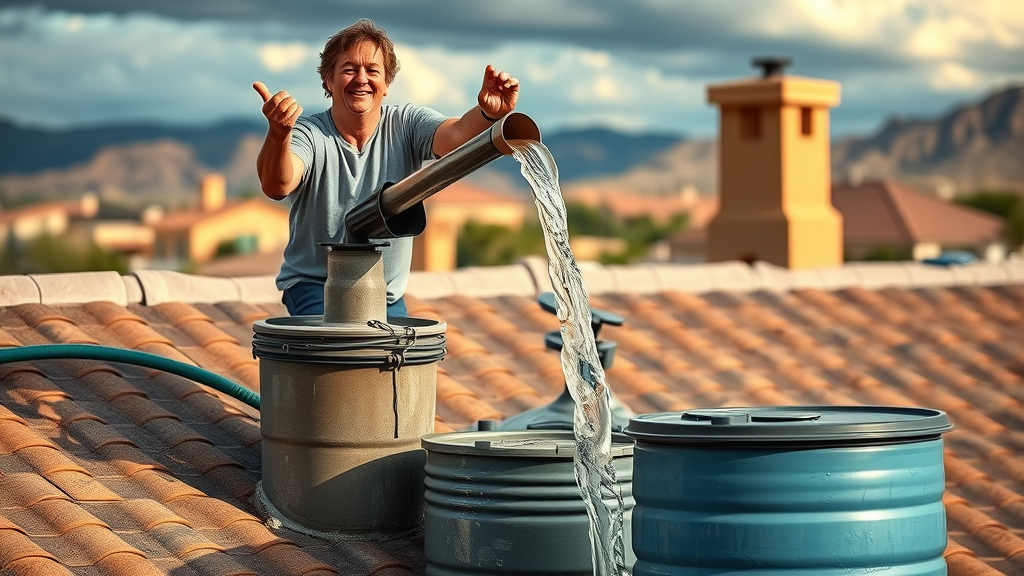
Rainwater harvesting is a foundational component of water conservation technologies for green construction in arid regions. By capturing, diverting, and storing rain that would otherwise become runoff, green buildings create a vital buffer against municipal shortages and rising utility costs. Modern systems range from simple storage barrels attached to downspouts, to sophisticated rooftop collection platforms channeling water through filtration and purification processes for reuse in landscaping or even non-potable indoor systems. These strategies directly reduce water drawn from local aquifers or municipal supplies, mitigating stress on fragile desert ecosystems while ensuring reliable access during droughts.
The flexibility of rainwater harvesting systems—scalable from single-family homes to multi-building campuses—makes them especially attractive for construction firms targeting both environmental compliance and operational savings. Advanced monitoring tools track collection efficiency and water quality, while automated valves optimize storage tank performance. When paired with drought-tolerant landscaping and precision irrigation, harvested rainwater can supply a substantial share of outdoor needs, allowing buildings to minimize water bills while competing for LEED or similar sustainability certifications.
Wastewater Recycling: Closing the Loop for Water Resource Efficiency
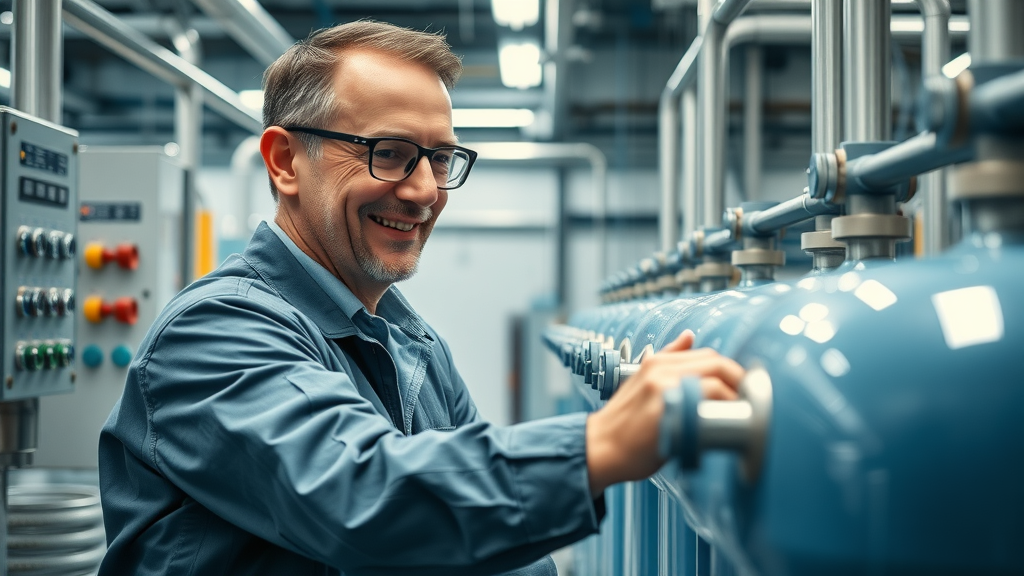
Wastewater recycling represents one of the most transformative advancements in green construction for arid climates. By treating and reusing greywater or blackwater produced by buildings—in processes that may include membrane bioreactors, UV sterilization, and multi-stage filtration systems—projects can reduce water consumption by up to 60%. This “closed-loop” approach dramatically lowers demand on strained public systems and ensures building operations remain agile in the face of droughts or regulatory restrictions. Beyond environmental benefits, on-site recycling can minimize costs and guarantee greater operational certainty.
Incorporating reliable wastewater recycling technology requires thoughtful planning and collaboration between architects, engineers, and local authorities. These systems must align with health codes and building standards while being cost-effective and low-maintenance. For construction CEOs and CFOs, early investment in wastewater recycling translates into future resilience—enabling properties to achieve ambitious sustainability targets and stand out in a region where water availability could dictate long-term project success or failure.
Maximizing Water Resources: Management Approaches for Arid Regions
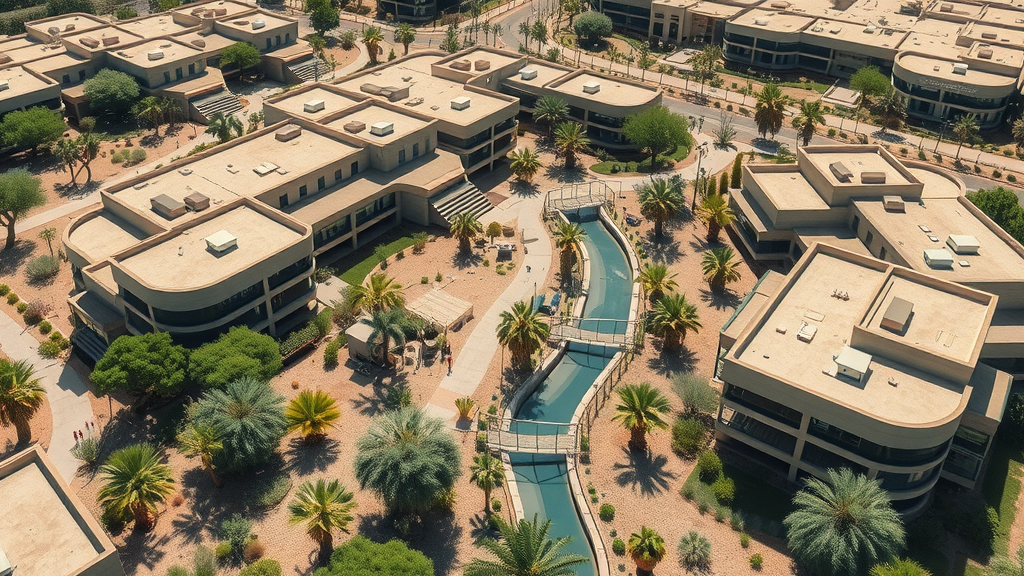
Effective water management in green construction for arid regions requires an integrated, multi-disciplinary strategy. Leading firms optimize the allocation of both natural and recycled water resources, combining engineering, landscape architecture, and digital monitoring to identify hidden inefficiencies, forecast future usage, and implement adaptive controls. Central to success is the principle of “fit-for-purpose” water use—allocating high-quality water only where necessary, while maximizing reuse and alternative sources for irrigation, cooling, or sanitation.
Projects that actively manage their water resources are more resilient to supply disruptions, have lower operating costs, and typically command higher valuations in the marketplace. By integrating predictive analytics, leak detection, and automated response mechanisms, modern green buildings are better equipped to conserve water, minimize operating expenses, and adapt to ongoing climate shifts. This holistic management enables firms to meet regulatory demands, excel in sustainability reporting, and build long-term community trust.
Optimizing Existing Water Resources in Green Building Design
Optimizing existing water resources in green building design in arid regions involves balancing creative reuse with state-of-the-art technology. Approaches such as on-site groundwater recharge, integration of dual piping systems for non-potable use, and precision allocation of water for critical building operations drive major efficiency gains. Construction teams must also assess the feasibility and ROI of alternative sources—including treated stormwater, reclaimed municipal water, and even atmospheric water capture—to supplement local supplies.
Ensuring ongoing performance demands rigorous data tracking, proactive maintenance, and ongoing stakeholder engagement. By tailoring solutions to site-specific needs and climate projections, projects can better anticipate changes in climate change scenarios, occupant loads, or regulatory frameworks. Smart controls integrated into the building management system offer real-time alerts and customizable reports—empowering operational teams to prevent leaks, maximize efficiency, and deliver measurable sustainability results for investors and owners.
Water Management Policies and LEED Certification for Arid Climate Projects

Proactive water management policies guide successful green construction in arid regions where regulatory pressures and market expectations around sustainability are intensifying. Adherence to clear guidelines on water use, recycling, and monitoring not only ensures compliance with local and national mandates but also lays the foundation for repeatable, scalable project delivery across a firm’s portfolio. Many projects aim specifically for LEED certification, which rewards investments in water-saving systems, on-site reuse, and adaptive landscape design with valuable recognition and market differentiation.
Achieving and maintaining LEED certification provides credible third-party validation of a company’s environmental leadership—and, importantly, can unlock access to green financing and attract premium tenants or buyers. Firms should establish strong documentation standards and use digital management tools to ensure the integration and tracking of water conservation measures throughout all project stages. For CFOs, this translates directly into risk reduction, while CEOs benefit from an improved brand reputation and gross margin improvement through higher-value buildings.
People Also Ask: Water Conservation Technologies for Green Construction in Arid Regions
How can green buildings reduce water consumption in arid regions?
Green buildings in arid regions utilize a combination of water conservation technologies—including smart irrigation systems, rainwater harvesting, and low-flow fixtures—to reduce water consumption dramatically. These solutions enable projects to match water use precisely to demand, capture and reuse rainwater, and recycle wastewater for non-potable applications. By utilizing real-time monitoring and adaptive controls, buildings can respond to external conditions such as weather and occupancy changes. These measures both minimize water bills for owners and significantly lower environmental impact, making green buildings both cost-effective and future-ready.
What are the most effective water conservation technologies for green construction in desert climates?
The most effective water conservation technologies for green construction in arid regions include smart irrigation systems that use soil moisture and weather data, expansive wastewater recycling setups for internal reuse, advanced rainwater harvesting, and state-of-the-art low-flow plumbing fixtures. These tools are further supported by drought-resistant landscaping and digital water management dashboards that track performance in real time. When combined, these solutions deliver significant water and cost savings, improve water use efficiency, and help construction firms quickly achieve regulatory and certification targets while ensuring long-term operational continuity.
What is the role of rainwater harvesting in green building projects?
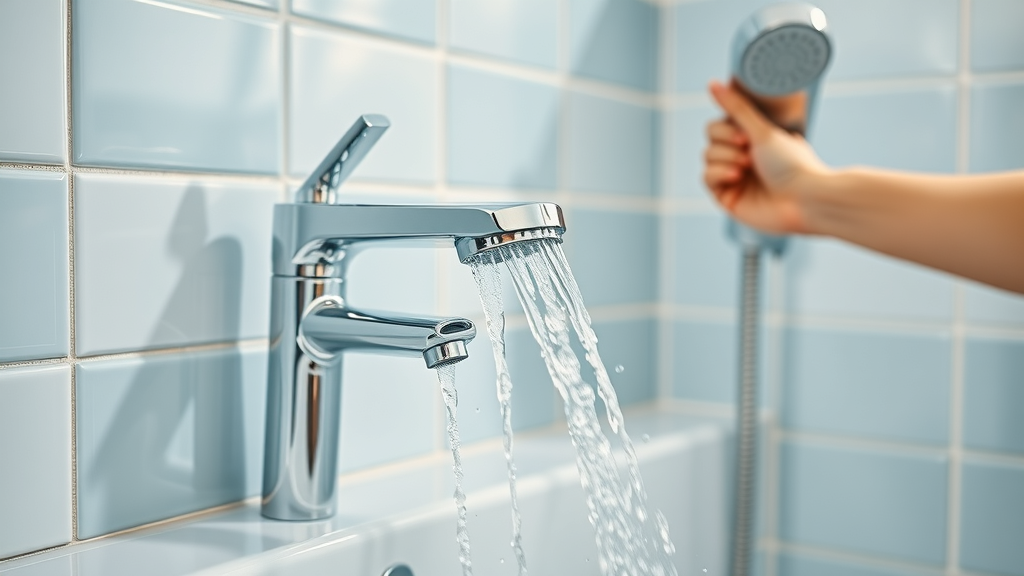
Rainwater harvesting enables green building projects in arid regions to capture and reuse precious rainfall, supplementing limited municipal or groundwater supplies. By collecting, filtering, and storing rainwater for landscape irrigation or even non-potable indoor uses, rainwater harvesting systems reduce dependency on external water sources and help projects stay resilient through drought cycles. For construction managers, these systems offer a rapid return on investment, contribute valuable LEED points, and demonstrate visible sustainability practices to stakeholders and the public.
How does wastewater recycling contribute to sustainable construction?
Wastewater recycling closes the water resource loop by treating graywater or even blackwater produced onsite, then safely reusing it for landscaping, flushing, or cooling. In arid regions, this reduces dependence on overtaxed city systems and shrinks the project’s overall environmental footprint. Recycling wastewater not only saves significant amounts of water but also future-proofs developments against tightening municipal restrictions and rising utility costs, making it a cornerstone technology for sustainable, green building construction in water-scarce climates.
Cutting-Edge Innovations: Smart Irrigation and Automated Water Management for Green Building

Smart irrigation and automated water management are ushering in a new era of efficiency for green building in arid regions. These digital solutions combine wireless soil and weather sensors, programmable controllers, and intuitive dashboards to allow precise, data-driven delivery of water. Managers can adjust flow remotely, set alerts for irregular consumption, and run real-time diagnostics, making traditional overwatering or leak-related waste a thing of the past. In addition, cloud-based analytics and AI models anticipate needs—guaranteeing optimal results with minimal resources.
The deployment of automated systems isn’t limited to landscaping; increasingly, comprehensive building management suites integrate with rainwater harvesting, plumbing, and HVAC, offering an unprecedented level of synergy. This interconnected approach ensures continuous feedback and refinement, translating into lower utility costs, improved reliability, and simpler compliance tracking—critical benefits for firms managing multiple properties or remotely located projects.
Integrating Smart Irrigation Systems into Green Construction
Integrating smart irrigation systems into green construction projects means moving away from fixed watering schedules towards highly responsive, sensor-based solutions. This integration process starts with mapping out target zones, selecting compatible hardware, and embedding wireless networks capable of collecting granular landscape and weather data. Next, systems are configured to analyze this information and optimize watering cycles for maximum efficiency, effectively combating overwatering—a common culprit behind wasted resources in arid climates.
Successful integration requires close collaboration between designers, landscape architects, and building operators to ensure seamless compatibility with other water conservation elements such as rainwater harvesting and greywater reuse. The results are compelling: reduced runoff, healthier vegetation, and measurable reductions in landscape water use. Moreover, future upgrades or additional modules—for new landscape features or climate adaptation—can be easily appended, ensuring projects remain flexible as both environmental needs and technology evolve.
Case Study: Automated Water Management in a LEED-Certified Arid Region Project
A recent LEED-certified office park in Phoenix, Arizona, exemplifies the impact of integrated automated water management. The project deployed real-time monitoring across irrigation, rainwater storage, and greywater recycling subsystems, all managed through a unified dashboard. As a result, water use declined by 45% compared to industry baselines, while landscape health and tenant satisfaction soared. Achieving high LEED scores also helped the owner secure preferential financing rates and long-term leases with sustainability-minded corporate clients—a testament to the financial and reputational upside available to firms who lead on water innovation in arid regions.
Operational data from this pilot revealed not only technical achievements but also the practical benefit of streamlined maintenance and regulatory reporting. The project’s success has since become a blueprint for regional best practices, positioning the developer as a top-tier partner for government agencies, institutional investors, and other clients with ambitious sustainability goals.
Financial and Environmental Benefits for CEOs and CFOs: Making the Investment in Water Conservation Technologies
Return on investment (ROI) calculations: Most water conservation upgrades recoup their initial investment within 1–5 years via reduced utility bills and maintenance costs.
Cost-benefit analysis of green building water systems: Combining multiple systems (e.g., rainwater harvesting, smart irrigation, and low-flow fixtures) amplifies both environmental impact and financial returns, particularly in markets with water scarcity premiums.
Impact on long-term water resource resilience: Adoption of advanced water conservation measures shields projects from escalating utility rates, regulatory fines, and supply interruptions—essential factors for long-term profitability and asset value in arid regions.

Expert Insights: Quotes from Industry Leaders on Water Conservation in Green Building for Arid Regions
"Adopting water conservation technologies isn’t just a sustainability strategy—it’s a business imperative in arid regions." — Maria Suarez, LEED AP, Sustainability Director
Frequently Asked Questions: Water Conservation Technologies for Green Construction in Arid Regions
What initial steps should construction firms take to assess water conservation opportunities?
Start by conducting a comprehensive water audit, identifying all major points of water use and waste. Map both indoor and outdoor consumption, evaluate existing fixtures and infrastructure, and prioritize areas with the highest water reduction potential. Consult with water technology experts to design a phased implementation plan that maximizes savings and minimizes operational disruption.Are water conservation technologies in green buildings compatible with existing infrastructure?
In most cases, water conservation systems—such as smart irrigation controllers, low-flow fixtures, and rainwater harvesting tanks—can be retrofit into existing structures with minimal disruption. Modular technologies and professional installation practices allow phased upgrades, targeted to the most cost-effective or high-impact zones within older properties.How do water efficiency measures assist in climate change adaptation for arid regions?
Water efficiency measures bolster climate adaptation efforts by reducing dependence on dwindling supplies, safeguarding project operations during drought, and lowering exposure to escalating utility and regulatory risk. These proactive steps build operational resilience, secure community support, and help projects meet evolving sustainability standards in a rapidly changing climate.
Key Takeaways: Water Conservation Technologies Drive Success for Green Construction in Arid Regions
Effective water conservation is central to sustainable green building in arid climates.
Advanced technologies align with environmental and financial goals of construction firms.
Smart investments in water and resource management future-proof green buildings.
Next Steps: Unlock Water Conservation Technologies for Your Green Construction Projects
"Take action today—call us at 817-587-0747 or email Alan@AKPBusinessAdvisors.com for information regarding Enhanced Health Programs.
Conclusion: Investing in water conservation technologies for green construction in arid regions is no longer optional—it’s a defining move for resilient, sustainable, and financially thriving projects. Contact us to lead the next wave of green building innovation in your market.
Incorporating water conservation technologies into green construction projects in arid regions is essential for sustainability and efficiency. For instance, the article “Water Conservation in Green Buildings: Strategies and Technologies” discusses methods like low-flow fixtures, rainwater harvesting, and greywater recycling, which can significantly reduce water consumption in such environments. (sustainabilitymedialab.com) Additionally, the “Green Infrastructure in the Semi-Arid West” page by the US EPA provides insights into implementing green roofs, rain gardens, and bioswales tailored for semi-arid climates, offering practical solutions for water management in these challenging regions. (epa.gov) Exploring these resources can provide valuable strategies to enhance water efficiency and sustainability in your construction projects.


Write A Comment