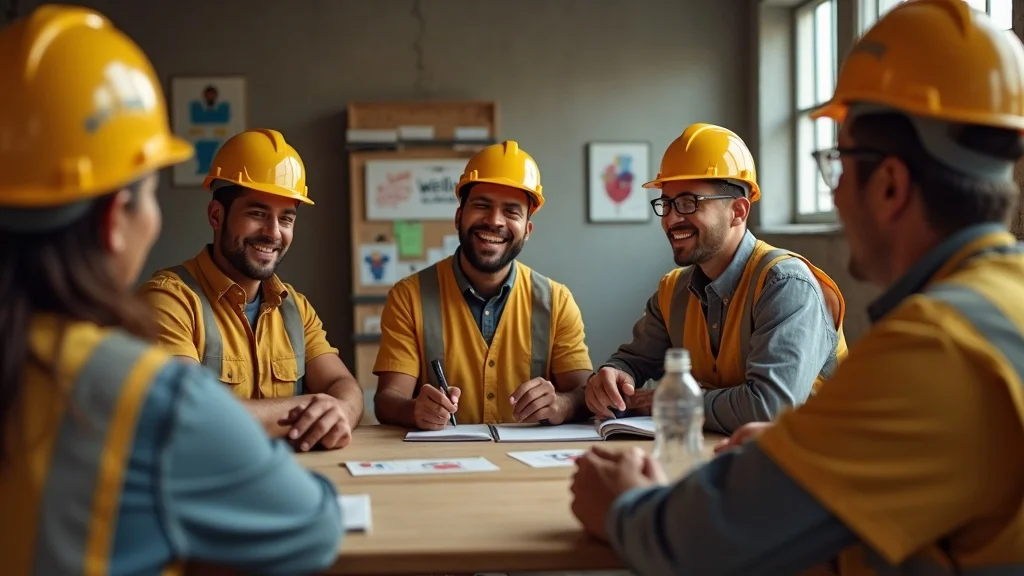
What if you could not only protect workers better but meaningfully reduce your operating costs at the same time? Could the solution you’re missing be as human as investing in mental health?A Startling Truth: Mental Health and the Construction Industry“The construction industry faces a suicide rate nearly four times higher than the national average.”—Construction Industry Alliance for Suicide PreventionMental Health Challenges in the Construction Industry: The Scope of the IssueThe construction industry operates under grueling conditions: long hours, physically demanding work, constant deadlines, and environments where job insecurity feels ever-present. According to multiple recent studies, these realities are fueling a silent health crisis that extends well beyond immediate physical safety on the construction site. Workforce data reveal elevated risks of health challenges, particularly related to mental health issues, substance abuse, and an alarming suicide rate. The Centers for Disease Control and Prevention (CDC) consistently highlight construction as having one of the highest occupational suicide rates in the United States—a devastating statistic that cannot be overlooked.The impact grows even more pronounced when considering how untreated mental health challenges cascade into substance abuse, absenteeism, and errors that jeopardize construction safety. From delayed job performance to the strain on company healthcare resources, the interplay between psychological safety and physical wellbeing becomes a fundamental cost concern on every job site. These health issues don’t just threaten project schedules—they have an outsized influence on insurance premiums, workers’ compensation claims, and accident risk. The urgency for leadership to address these interconnected risks cannot be overstated.Workforce exposed to heightened health challengesIncreased suicide rate and substance abuse concernsGrowing construction safety risksWhat You'll LearnHow mental health challenges directly impact cost structures and bottom-linesThe case for mental health programs in construction: beyond compliance to cost controlWhy psychological safety is essential for recruiting and retaining skilled employeesStructural solutions that can lower FICA liabilities and reinvest savings in benefitsActionable steps for advancing employee wellness in your construction companyThe Financial Reality: Employee Healthcare Costs in Construction WorkRising Costs and Healthcare Strain on MarginsEvery construction company leader knows this truth: healthcare costs are rising faster than almost every other business expense. Construction workers face more acute and chronic health issues than the average American employee, which puts significant strain on employer-sponsored plans. For small to midsize construction firms, this isn’t just a spreadsheet problem—it’s a real threat to project margins and company survival. Insurance premiums climb as incidents of injury, substance abuse, and mental health needs remain high. The result: higher deductibles, more out-of-pocket costs, and less comprehensive coverage, all of which feed into employee dissatisfaction and higher turnover.The pressure lands squarely on the shoulders of the project manager and CFO, who must balance budgets with the real human needs of their crews. Long-term, the compounding effect is clear: when mental health issues go unaddressed, absenteeism, workers’ comp claims, and safety incidents multiply. As healthcare strain mounts, the need for creative, out-of-the-box cost control becomes immediate and personal—especially when federal payroll taxes (such as FICA) eat into wage packages and leave little room for wellness investments.The Direct and Indirect Cost of Untreated Mental Health on Your Construction SiteUnmanaged mental health issues cost the construction industry far more than medical bills. Absenteeism, presenteeism (workers on the job but unwell), workplace accidents, and rising compensation claims silently erode profitability. For a construction company, every accident or lost labor hour increases the risk of project delays and potential penalties. Substance abuse and high suicide rates in this field drive up the cost of health resources, raise insurance rates, and destabilize teams. Research from the Substance Abuse and Mental Health Services Administration (SAMHSA) and the Centers for Disease Control confirms that, across all job sites, mental health challenges are statistically linked to lower job performance, more errors, and astronomical human costs.Indirectly, poor mental health also eats away at workforce morale, increasing turnover and lowering trust among crews. It creates a negative feedback loop on construction safety, as stressed or distracted workers are more likely to overlook hazards or make mistakes. Over time, untreated issues move from the personal to the organizational, shifting from private struggles to operational liabilities that directly hit the bottom line. Inaction is, in fact, a choice with tangible financial consequences for CEOs and CFOs looking to protect both workers and margins.Examining Construction Worker Retention and Turnover“Every time a skilled worker leaves, it costs about 33% of their salary to replace them.”Retention has become both a cost-control lever and a competitive advantage in the modern construction market. When construction management fails to address mental health proactively, turnover rates escalate, leading to lost productivity and a continuous drain on project budgets. Skilled workers are not easily replaced: new hires require significant onboarding, safety training, and ramp-up periods—all paid for before they ever reach full productivity.Moreover, high turnover undermines the unspoken trust and psychological safety that make construction teams effective, especially in high-risk environments. Each departing team member fractures site cohesion, elevates safety risks, and hampers morale, making recruiting new talent even more difficult. The overlooked reality is that investing in employee well-being can stabilize retention rates, build loyalty, and cut one of the most volatile costs in construction management: the expense of losing and replacing valuable construction professionals.Mental Health Programs in Construction: Recruitment, Retention, and RewardsRecruiting Better Construction Workers Through Enhanced Mental Health SupportCompetitive recruiting in the construction industry is no longer only about wage rates and signing bonuses. Increasingly, top candidates seek out companies recognized for providing holistic mental health resources and demonstrating a real commitment to psychological safety. A recent Construction Financial Management Association (CFMA) survey found that younger workers—now the largest demographic entering trades—rank mental health support and inclusive safety cultures as top deciding factors when choosing employers.Companies that invest in robust mental health programs (wellness check-ins, access to counseling, targeted benefit structures) communicate to potential hires that their well-being is valued. This builds employer brand equity and draws interest from high-caliber professionals craving stability, support, and respect. Even in tight labor markets, demonstrating concern for mental health can tip the scales in favor of your company—especially when candidates can see clear evidence of support embedded within the daily rhythms of the construction site.How Mental Health Programs Promote Retention and LoyaltyWorkplaces that prioritize mental health set themselves apart when it comes to employee loyalty and job satisfaction. Access to confidential health resources, peer support networks, and foremen trained to recognize distress are all proven to bolster retention. Construction safety studies show that workers who feel psychologically safe are far more likely to remain with their current employer, recommend the job site to others, and contribute to a positive culture.Retention is further strengthened when companies move beyond superficial wellness perks—like breakroom snacks or generic EAPs—and instead integrate mental health programs into the core of their HR strategy. The result: fewer stress-related absences, higher morale, and the kind of on-site cohesion that minimizes mistakes and prevents accidents. In an environment where every hour of skilled labor counts, loyalty is a strategic asset with profound cost control benefits.Rewarding Team Members Meaningfully: Integrating Psychological SafetyRewarding employees goes well beyond compensation. In construction, frequent positive feedback, visible appreciation of effort, and a culture that makes it safe to ask for help create an environment where team members thrive. Psychological safety—the sense that anyone can speak up about a mistake, hazard, or personal struggle without fear—protects workers and raises the bar for construction safety.Companies integrating psychological safety at every level (from toolbox talks to boardroom discussions) not only mitigate risk but foster gratitude and motivation among crews. When the business genuinely commits to open communication, mental health first aid, and leadership modeling empathy, rewards multiply: fewer accidents, stronger teams, and consistent productivity. The first step is establishing that every team member is physically and psychologically “safe to work.” The rewards that follow are both human and financial.List: 5 Benefits of Investing in Employee Mental HealthLower absenteeism on the construction siteReduced workers’ compensation claimsGreater job satisfaction among construction workersEnhanced construction safety performanceImproved ability to recruit high-caliber talentBeyond Compliance: Creating a Culture of Psychological Safety in ConstructionAddressing Mental Health in Day-to-Day Construction WorkTo move beyond compliance means making mental health part of daily construction work, not just an annual training or a poster in the breakroom. This begins with foremen and supervisors modeling vulnerability: checking in with team members, asking open-ended questions about stress, and being trained to spot signs of burnout or substance abuse. Building this awareness into the daily routine sends a powerful message: “Your wellness matters here.”As psychological safety becomes part of the fabric of the job site, workers become more likely to report hazards, flag potential mental health struggles, and support one another. This isn’t just good for human resources—it’s smart business. Companies with strong psychological safety cultures benefit from higher productivity and fewer claims, translating to measurable bottom-line impact. The industry is evolving, and those who adapt will be best positioned to recruit, retain, and reward their crews well into the future.How Fostering Psychological Safety Reduces Construction Site Risks“True psychological safety means every crew member trusts that they can speak up about stress or risk without fear of stigma or repercussion.”Deeply entrenched, old-school attitudes—where workers are told to “tough it out” or keep quiet—only increase site risk. When psychological safety reigns, everyone from the apprentice to the superintendent feels empowered to voice concerns, admit uncertainty, or disclose health challenges without risking job security. This transparency allows companies to intervene early, preventing small issues from snowballing into costly incidents.Much like a hard hat protects physical safety, open dialogue about mental health protects site integrity. Fewer secrets and less stigma mean fewer chronic absences, reduced medical costs, and faster identification of emerging risks. The business case is clear: strong psychological safety controls accident rates and liability exposure, improving both health outcomes and the company's reputation with insurers, clients, and future recruits.Case Study: Success Stories from the Construction IndustryThe results? Over two years, turnover dropped 27%, job site accident rates fell by 40%, and the company realized a six-figure reduction in workers’ comp claimsThese companies found that what began as a program to protect workers paid operational dividends: improved safety records, better financial control, and stronger retention—confirming that the business value of mental health care is anything but theoretical. Their experience proves that sustainable, cost-saving change is possible and can start with a single leadership decision.Mental Health Programs in Construction: Reducing Operating Costs and FICA LiabilitiesHow Overlooked Benefit Structures Transform Payroll Tax BurdensFew construction executives realize that benefit structures designed with an eye toward wellness and mental health can reduce payroll tax liabilities—especially FICA (Social Security and Medicare taxes). Innovative plan designs, such as integrated wellness accounts and pre-tax mental health benefits, enable companies to provide meaningful resources to construction workers while lowering taxable wage bases. These structures direct every dollar more efficiently, transforming what was an overhead cost into a true employee investment.Through FICA savings, a portion of what would have been sent to the IRS can be redirected into robust, value-added benefits—without increasing payroll. It’s a largely overlooked strategy that not only improves employee health outcomes but also increases take-home pay and morale. Every dollar optimized through smarter plan design is a dollar available for prevention, early intervention, and targeted employee support—a rare opportunity for real cost control.Practical Strategies for Lowering FICA Through Positive Mental Health SolutionsFor most construction companies, reducing the FICA burden begins with reviewing group health, wellness, and voluntary benefits for opportunities to move eligible programs into pre-tax status. Mental health programs, employee assistance offerings, and resilience training often qualify—yet are rarely optimized. Partnering with a knowledgeable advisor or third-party administrator makes it possible to structure these plans for maximum FICA relief.The result? Lower payroll cost, better benefits, improved job satisfaction, and a measurable impact on your company’s bottom line—in short, the very definition of “smarter cost controlTable: Cost Comparison—Traditional Benefits vs. Integrated Mental Health Programs in Construction (Descriptive Content, No Table Element)Most traditional benefit approaches in construction allocate the majority of resources to major medical coverage, dental, and vision. While important, this leaves gaps in areas that directly affect mental health—such as access to therapy, resilience coaching, crisis intervention, and substance abuse support. Integrated mental health programs, by contrast, balance clinical coverage with pre-tax funded wellness, reducing FICA expense and increasing take-home pay without raising cash outlay.In real world examples, integrated plans cut average employer FICA costs by 7–9%, while simultaneously delivering 20–30% higher employee satisfaction and retention rates. Instead of separate line items for “health” and “wellness,” these programs create a single, flexible pool that aligns operational control with employee needs—transforming benefit expense into bottom-line profit.The Overlooked Link: Construction Safety, Mental Health, and Business ResilienceHow Substance Abuse and Suicide Rates Impact Construction Site OperationsThe construction industry’s high suicide rate—and its correlation with drug and alcohol misuse—presents a direct operational threat. Job site accidents, absenteeism, and higher rates of short-term disability claims result from untreated mental health challenges and substance abuse. Beyond the devastating human toll, these problems translate into lost billable hours, penalties, and increased insurance premiums.When workers self-medicate to cope with stress or trauma, the risk to physical safety compounds. Sites become less predictable and more dangerous; even a single impaired worker can increase the likelihood of a catastrophic event. Undoing this reality means creating conditions where it’s normal—and safe—to seek help, and where mental health is seen as integral to every aspect of construction safety.Addressing Mental Health: A Cornerstone for Construction SafetyConstruction safety is interdependent with psychological safety. Companies that treat best-practice mental health support as a “must have” (not a “nice to have”) see measurable improvements in injury rates, job performance, and productivity. When employees know they can access help confidentially, risks are reported earlier and mitigated faster.Empowering supervisors and project managers as the first line of support, and providing practical mental health resources, transforms not just site safety numbers, but the very culture of the job site. Lower accident rates, fewer worker’s comp claims, and reduced absenteeism are the “hard” results—while morale, loyalty, and pride in craftsmanship are the “soft” returns that make sustainable business success possible.Increased attention to mental health challenges reduces the risk of accidentsHealthier employees demonstrate higher productivity and consistencyPractical Roadmap: Implementing Mental Health Programs on Construction SitesStep-by-Step Guide to Starting a Mental Health InitiativeEvaluate current mental health challenges and needsDesign benefit structures that optimize FICA reliefCreate a culture of psychological safety on every construction siteTrain foremen and supervisors in mental health leadershipMeasure outcomes and ROI for continuous improvementStart by surveying your workforce for pain points and opportunities—anonymous feedback yields the most honest insights. Next, work with a specialist advisor to audit existing benefit programs, identifying areas where pre-tax eligibility and targeted mental health resources can drive both cost savings and higher impact. Roll out education for all site managers so they can model vulnerability and support. Establish clear metrics—such as absenteeism, turnover, claims, and employee satisfaction—then track them rigorously to adjust programs over time. This is a living process, not a one-and-done initiative.Remember, progress is best made iteratively. Small, visible improvements in psychological safety—or even a single, well-received mental health training for foremen—can spark cascading change throughout a construction company in ways that rigid compliance never could.Hear how construction professionals from Connecticut to Texas are experiencing on-site wellness programs from the ground up. This documentary-style video, filmed in real break areas and active job walks, brings to life the tangible and emotional rewards for both workers and leadership when mental health receives equal attention to construction safety.People Also Ask: Addressing Pressing QuestionsWhat is the impact of mental health programs on construction site safety?Mental health programs foster psychological safety, reduce distraction and absenteeism, and directly lower the risk of workplace accidents, creating a safer construction site overall. Early intervention empowers workers to address challenges before they escalate, while improving team cohesion and trust. This supportive environment encourages everyone to engage fully and watch out for one another, producing measurable gains in safety outcomes and site performance.How can construction companies lower operating costs while supporting employee health?By implementing tailored benefit structures—such as integrated wellness and mental health initiatives—companies can reduce FICA liabilities, lower turnover, and avoid costly compensation claims, delivering measurable savings. Federal and state tax regulations allow for creative program design that aligns with business needs and workforce preferences, so that every dollar works harder for both employees and the company’s bottom line.Can mental health programs help recruit and retain construction workers?Absolutely. Demonstrated commitment to employee wellbeing and psychological safety makes companies more attractive employers and improves both recruitment and retention. Today’s workforce expects supportive environments; a publicly visible wellness commitment can tip the scales in your favor when competing for skilled job candidates or holding onto your best teams.Lists: Quick Wins for Construction CEOs and CFOsIdentify unused/pre-tax benefit opportunities for mental health supportSchedule confidential mental health check-insSponsor resilience and stress-management workshopsBenchmark construction site safety improvements post-program rolloutPublicize your commitment to mental health in recruiting materialsFAQs on the Case for Mental Health Programs in ConstructionHow can a construction company measure ROI on mental health programs?Track key performance indicators such as turnover rates, workers’ compensation claims, absentee hours, accident rates, and employee satisfaction scores before and after implementing a mental health initiative. Meaningful ROI is demonstrated through reduced direct costs (like insurance claims) and increased indirect gains (improved productivity, stronger retention, and positive workplace culture).Do mental health programs create additional administrative overhead?With proper design, administrative overhead remains minimal—especially when programs are integrated with existing HR and benefits platforms. Third-party administrators and specialty advisors can handle enrollment and compliance, allowing in-house teams to focus on supporting their people, not more paperwork.What specific benefits have other construction industry leaders realized?Leading firms have experienced lower turnover, fewer job site accidents, reduced workers’ comp claims, and higher recruitment rates for skilled labor. Some report recapturing six or even seven figures annually in cost savings—alongside hard-to-measure but crucial improvements in morale, brand reputation, and team performance.Key Takeaways: Charting a Smarter Path for Mental Health and Cost Control in ConstructionUntreated mental health challenges are a hidden but significant business riskIntegrated mental health programs reduce costs and improve retentionThere are real, achievable strategies to lower FICA liabilitiesPsychological safety boosts construction site performance and safety cultureA no-obligation conversation could change the future of your workforceReady to Learn More?Quietly consider: What would it mean to improve both your operating margins and employees' lives?Call us at 817-587-0747 or email me at Alan@AKPBusinessAdvisors.com to discuss your company’s options for smarter, sustainable cost control.Conclusion: Mental health is not just a compliance box—it's a strategic lever for cost savings, recruitment, and resilience in construction. Now is the time to explore how thoughtfully designed programs can rewrite your company’s financial and human future.SourcesCFMA: Mental Health in ConstructionCDC: Occupational Suicide DataConstruction Industry Alliance for Suicide PreventionSAMHSA: Substance Abuse and Mental Health Services AdministrationImplementing mental health programs in the construction industry not only enhances worker well-being but also leads to significant cost savings. The article “6 Ways Construction Well-being Programs Reduce Incidents and Lower Insurance Costs” highlights that addressing mental health through well-being programs can reduce accident risks and lower insurance claims by mitigating stress and fatigue among workers. (neuroject.com) Additionally, the “7 Step Guide to Improving Mental Health in Construction” emphasizes the importance of promoting mental health benefits and resources in the workplace, suggesting that clear communication of available support can improve employee engagement and retention. (conexpoconagg.com) By integrating these strategies, construction companies can foster a safer work environment and achieve substantial financial benefits.






Write A Comment