


Imagine standing in your job site trailer as the sun rises, reviewing today’s crew list. You notice not only who’s missing—but why they’re missing. It’s not just illness; it’s fatigue, stress, and the palpable weight of a demanding build season. As a leader responsible for both margins and people, you quietly wonder: What would shift if your most experienced crew members had as much energy for your last phase as they did for the first? This article explores how addressing burnout in construction crews for long-term project success and margin protection empowers construction CEOs and CFOs to control costs, protect timelines, and create a resilient, motivated workforce.

Understanding the Stakes: Why Addressing Burnout in Construction Crews for Long-Term Project Success and Margin Protection Matters
Addressing burnout in construction crews is no longer a “soft skill” decision — it’s the foundation of both long-term project success and margin protection. As healthcare costs climb, labor shortages persist, and project deadlines get even tighter, leaders face a hard reality: your margins, timelines, and reputation all ride on the consistent health and energy of your workforce. Ignoring even subtle signs of burnout due to increasingly strenuous demands can quietly erode years of organizational progress. But, adopting a more strategic approach, especially in the way you structure and deliver benefits, can fortify your margins while making your company the place skilled workers want to stay. For construction CEOs and CFOs, the imperative is clear—resilient, healthy crews are not just a “nice-to-have;” they’re your best insurance for project continuity and profit protection.
The Real Pressures Facing Construction CEOs and CFOs Today
- Rising employee healthcare costs impacting margins
- Intense pressure to maintain reliable, healthy construction crews
- The constant balancing act: reduce operating costs while keeping the workforce engaged and motivated
With healthcare premiums surging and skilled labor in tight supply, the tension between cutting costs and keeping workers healthy has never been sharper. Construction CEOs are tasked with competing for skilled labor while watching overhead costs creep up and project timelines remain unforgiving. The relentless pressure to crush deadlines, solve problems on the fly, and ensure safety means that every lost day—or lost career veteran due to burnout—puts both performance and profit at risk.
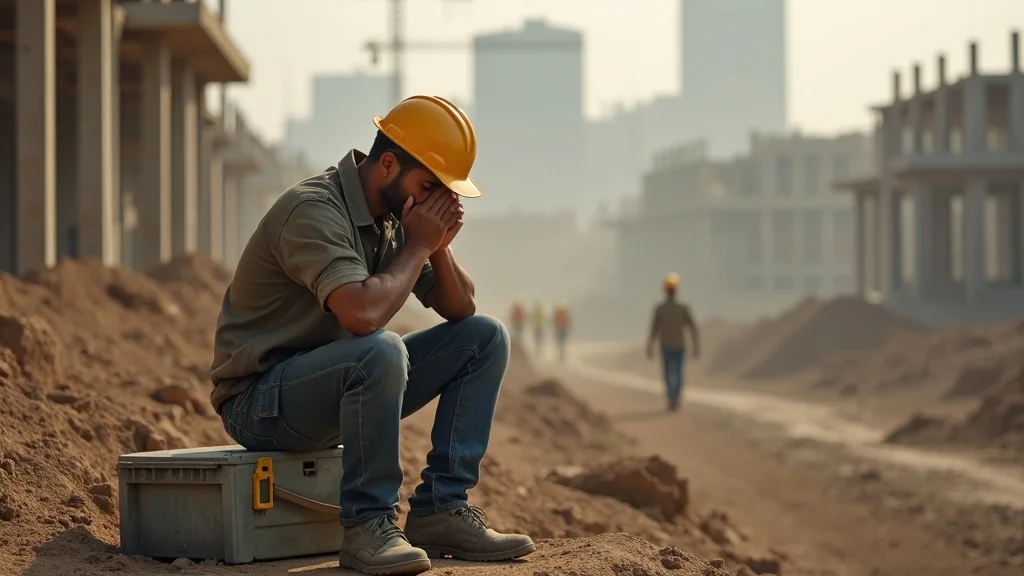
A Day in the Life: Experiencing Burnout in Construction Work
Construction workers are known for their grit. Yet, long hours, shifting project teams, and physical exhaustion are daily realities. Burnout doesn’t always explode into view; it creeps in—shorter tempers, more accidents, missed shifts. A burned-out crew doesn’t just slow down; it endangers itself and can derail a project timeline, increasing costs and risking client relationships.
“Every project manager I’ve worked with says the biggest unpredictable variable is the energy of the crew. A burned-out crew doesn’t finish strong.” – Anonymous construction executive
What You'll Learn About Addressing Burnout in Construction Crews
- How overlooked benefit structures quietly erode or protect your margins
- The connection between employee retention and burnout in the construction industry
- Actionable steps to boost crew resilience, retention, and job satisfaction

Spotting the Signs of Burnout in Construction Crews for Long-Term Project Success and Margin Protection
Recognizing the early signs of burnout among your construction crews is crucial for long-term project success. Subtle but consistent changes in your workforce—like absenteeism, reduced motivation, or increased safety incidents—can signal that stress and fatigue are taking their toll. Left unchecked, turnover rates climb while project timelines and profit margins shrink. Successful construction leaders don’t wait for a crisis—they actively monitor their crews and take swift action when warning signs arise, preventing small issues from snowballing into costly project delays or crew turnover.
Recognizing Early Warning Signs of Burnout in Construction Workers
- Increased safety incidents and absenteeism
- Declining engagement and motivation on-site
- High turnover rates among skilled workers
Safety briefings aren’t just a daily necessity—they’re barometers for crew morale and mental health. When engagement drops or the same faces miss the huddle, leaders can expect absenteeism and potential safety hazards to rise. Consistently losing skilled workers to burnout compounds recruitment costs, jeopardizes project timelines, and poisons the work environment. Spotting these patterns early—before the project or budget tips over the edge—is a mark of decisive management.

Employee Mental Health and Job Performance in Construction Work
In the construction industry, mental health isn’t a trendy HR initiative—it's a project management imperative. Workers under prolonged strain not only lose motivation, they take more risks, miss signals, and are less likely to solve problems as a team. When people feel supported and valued, the whole project team operates with more focus, energy, and trust. Investing in mental health, even through simple initiatives like regular wellness check-ins or peer support, pays immediate dividends in job site safety and employee retention.

The Cost of Ignoring Burnout: From Turnover Rate to Workforce Stability
Burnout accelerates turnover rates in an industry already suffering from a skilled labor shortage. Every time an experienced member leaves—whether due to injury, exhaustion, or frustration—you don’t just lose a worker; you lose hard-won expertise, team stability, and often, client goodwill. Churning through new hires is far more expensive than retaining skilled workers, especially when you factor in lost project knowledge, onboarding, and training time. CEOs and CFOs who strategize for workforce stability—ensuring crews are both resilient and supported—protect more than just their margins; they shield their reputations and project pipelines.
Root Causes: What Drives Burnout in Construction Crews and Impacts Long-Term Project Success
Understanding the true causes behind crew exhaustion and high turnover puts you in the driver’s seat for organizational change. For the construction sector, it goes beyond “long hours are part of the deal. ” It’s the cycle of physical tolls, inconsistent benefit offerings, and relentless pressure to fill every skilled position, almost always one project behind. By addressing systemic challenges in scheduling, support, and benefits, leaders can disrupt the burnout cycle and lay the groundwork for reliable, loyal teams that drive long-term project success.
Long Hours and Physical Demands in Construction Industry
Long hours and heavy physical work are part of the construction DNA, but these relentless schedules quickly take a toll. Overtime might mean faster project completion, but it often leads to chronic fatigue, more workplace injuries, and a sharp decline in long-term performance. The best project managers know that pushing crews past their limit delivers only fleeting gains, overshadowed by the costs of burnout and job dissatisfaction. Tuning project management to allow for periodic rest and smarter scheduling is not just compassionate—it’s a strategic move that boosts both short-term productivity and long-term workforce stability.

Labor Shortage and Retention Strategies in Construction Work
The construction industry faces a critical skilled labor shortage, forcing companies to compete fiercely for every experienced hand. Retaining skilled workers has become a business imperative; high turnover rates not only raise costs but also ripple through project teams with lost momentum, uneven quality, and recurring training programs for each new addition. Strong retention strategies—especially those addressing career paths, job site culture, and immediate wellness—allow organizations to stabilize operations and reduce the disruptive cycle of hiring and rehiring. Forward-looking CEOs and CFOs recognize that investment in retention outperforms constant recruitment for every critical metric of project success.
Fragmented Benefit Structures: A Hidden Contributor to Burnout and Healthcare Cost Escalation
Beneath the surface, the way your benefits are structured could be quietly undermining your crew loyalty and driving up costs. Fragmented or poorly communicated healthcare packages can raise payroll taxes and make employees feel undervalued—even as your organization spends heavily every month. On the other hand, integrated, strategic benefits—especially those that take advantage of FICA liability reduction—help attract and retain talent while controlling rising healthcare burdens. CEOs and CFOs often have more fiscal leverage here than they realize: reviewing and restructuring benefit offerings is a powerful lever for both margin protection and a happier, more resilient workforce.

How Addressing Burnout in Construction Crews Directly Supports Long-Term Project Success and Margin Protection
Construction companies that actively fight burnout see significant, measurable improvements across their project management, retention, and bottom line. When leaders invest energy in employee retention and crew engagement, the return on investment appears in every project timeline, safety record, and final margin calculation. Margin protection doesn’t require higher payroll—it starts with retaining your skilled workers and making every team member feel valued and safe, day in and day out.
Employee Retention as a Margin Protection Strategy
- How effective retention strategies reduce turnover rate and training costs
- The ROI of stable skilled workers for project management
Retaining skilled workers is often the most direct way to protect project margins. Every avoided hire or seamless project hand-over means fewer dollars spent on advertising, training, and lost productivity. Retention strategies that address mental health, career growth, and on-site engagement fortify your workforce—a shield against both external labor shortages and internal disruption. As turnover rates drop, so do safety incidents, rework, and schedule overruns, creating a self-reinforcing cycle of stability and profitability.
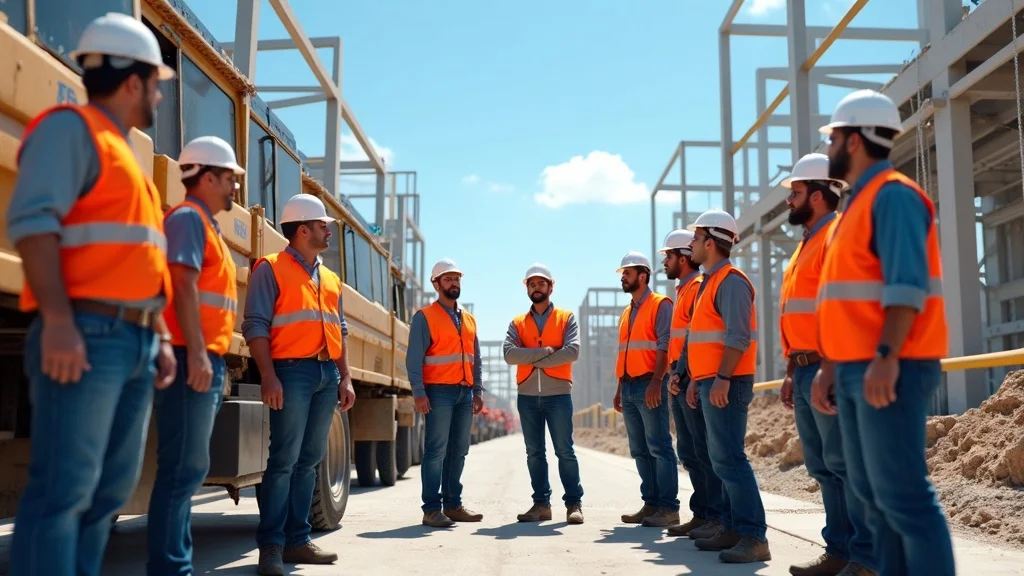
Improving Workforce Stability and Employee Engagement in Construction Industry
Workforce stability isn’t just about keeping workers in seats—it’s about maintaining knowledge, efficiency, and a resilient company culture. Teams that know each other’s strengths, weaknesses, and work styles move faster, communicate better, and are more motivated to meet project goals. High employee engagement levels also directly reduce absenteeism and workplace accidents, compounding benefits back into project success. For today’s project teams, competitive advantage often flows from stability: leaders who nurture consistency keep their projects on track and margins protected.

Practical Steps to Retain Skilled Workers and Strengthen Crew Loyalty
- Implementing supportive healthcare programs without increasing payroll cost
- Recognizing and rewarding team members meaningfully
- Leveraging overlooked benefits to raise take-home pay
Retention is about more than slogans or bonuses. It’s the systematic application of thoughtful, often underutilized strategies: rethinking benefit structures to lower payroll tax without reducing income, tying recognition programs to real achievements, and correctly channeling unused benefits into crew take-home pay. When skilled workers see their well-being prioritized and feel recognized for their efforts, loyalty increases. This shift not only improves morale but also enables you to weather labor shortages, minimize downtime, and deliver projects to spec—every single time.
“Retention is strategy, not luck. Stable crews protect your margins far longer than chasing new hires ever will.”
Overlooked Benefits that Transform Addressing Burnout in Construction Crews for Long-Term Project Success
Sometimes, the most effective solution is hidden in plain sight. Many construction companies assume that improving healthcare or wellness means adding new costs. In reality, smarter benefit structuring can unlock new value for both employees and employers—reducing FICA liabilities, boosting employee perceived value, and supporting retention, all without disrupting the balance sheet. Proactive CEOs and CFOs regularly reassess these options to ensure both competitive edge and workforce resilience.
Strategic Benefit Structuring: Reducing FICA Liabilities while Boosting Employee Value
By restructuring benefits—like health plans, supplemental coverage, or wellness accounts—leaders can maximize tax efficiency and increase each dollar’s impact. The result is a win-win: employees feel better supported, and companies reduce payroll tax obligations. Properly designed, these plans can even help construction companies raise take-home pay and enhance recruitment, without adding a cent to payroll cost. Strategic use of benefits isn’t just about compliance; it’s a critical tool for margin protection and sustaining project management excellence.

Case Study: Construction Work Crews That Benefited from Smarter Benefit Packages
One mid-sized construction firm, struggling with repeated turnover and rising healthcare costs, revamped its fragmented benefits offering. By switching to pre-tax supplemental health accounts and offering financial wellness tools, they reduced FICA liabilities and improved employee take-home pay. Within six months, employee surveys reflected higher morale, turnover rates dropped, and the project team delivered two projects ahead of schedule—a direct correlation to more stable teams and fewer worker absences.
Innovative Healthcare Options for the Construction Industry
Today’s construction companies are far from locked into legacy health plan models. From on-demand telehealth to site-based wellness programs and voluntary insurance paid pre-tax, innovative options put real healthcare within reach for every crew member. When implemented correctly, these options can be funded through uncovered payroll savings or reallocated FICA reductions. The message? You can provide better healthcare for your team—without increasing your payroll cost.
“You could provide better healthcare and wellness for your employees – without increasing your payroll line.”
Preventive Approaches: Building Resilience and Reducing Burnout for Construction Workers
Burnout prevention succeeds best when embedded as part of company culture. For construction CEOs and CFOs, leading with proactive measures ensures a healthier, more motivated workforce and protects the company’s ability to retain skilled workers amid fierce labor shortages. Small changes in the way sites are run and workers are supported can yield outsize gains in project success.
Employee Engagement Initiatives to Support Mental Health in Construction Crews
Regular crew check-ins, peer-led support teams, and visible recognition for safety and effort all contribute to a resilient workforce. Rather than waiting for issues to escalate, savvy project managers ensure every crew member feels valued and heard. Engagement isn’t just a number; it’s the lived experience of your project teams—one that directly impacts morale, project quality, and retention.
Project Management Practices to Limit Long Hours and Fatigue
- Site rotation and flexible scheduling
- Regular wellness check-ins
- On-site mental health resources
Limiting long hours and ensuring time for adequate rest should be seen as a best practice in project management, not a luxury. Site rotation prevents overuse injuries and boredom, while regular wellness check-ins help spot early signs of burnout. Simple access to on-site or digital mental health resources, like telehealth visits, can improve workforce stability and help retain skilled labor. The most effective strategies are those repeated consistently, reinforcing an organizational culture where mental health and engagement are valued.
Retention Strategies for Retaining Skilled Workers in the Face of Labor Shortages
With labor shortages an ongoing challenge, retention strategies tailored to your workforce—such as career development paths, meaningful recognition programs, and competitive benefits—ensure your company stands out. Consistent training programs, mentorship, and involvement in schedule planning also cultivate a sense of ownership and boost loyalty among crew members, reducing turnover and enhancing project outcomes.
People Also Ask: Key Questions about Addressing Burnout in Construction Crews for Project Success
How Can Addressing Burnout Improve Employee Retention in Construction Work?
By supporting employee mental health, offering meaningful rewards, and using strategic benefit structures, you boost job satisfaction, reduce turnover rate, and cultivate a stronger, more loyal crew. This all leads to higher retention of skilled workers and smoother, more profitable project outcomes.
What Role Does Mental Health Play in Reducing Burnout among Construction Workers?
Mental health is central. Construction workers with access to mental health resources experience fewer safety incidents, increased motivation, and a greater sense of connection to their work. Making mental health support a priority helps build a culture where workers feel truly valued and engaged.
Which Retention Strategies Are Most Effective in the Construction Industry?
Personalized wellness programs, flexible schedules, and creative use of benefit structures have shown the greatest impact in stability and skilled worker retention. Leaders who tailor their approach to crew needs see increased engagement and reduced turnover rates.
How Do Labor Shortages and Turnover Rates Affect Project Management?
High turnover and persistent labor shortages put pressure on deadlines, quality, and margin protection. Addressing burnout supports project continuity, enabling smoother project management and more predictable outcomes for clients and stakeholders.
Video: Best Practices for Addressing Burnout in Construction Crews for Long-Term Success
Lists of Actionable Steps: How to Start Addressing Burnout in Construction Crews Today
- Assess current benefit structures for hidden inefficiencies
- Initiate confidential crew wellness surveys
- Engage with a construction HR advisor for a no-pressure review
These initial steps give you insight into how your company is currently serving its workforce and where immediate improvements (and savings) may be made. They are the first moves toward both margin protection and happier, more committed construction crews.
FAQs about Addressing Burnout in Construction Crews for Long-Term Project Success and Margin Protection
What overlooked benefits can reduce payroll taxes while improving employee well-being?
Pre-tax health incentives, supplemental wellness accounts, and smart structuring of healthcare offerings can reduce FICA liabilities while enhancing benefit value for employees, improving well-being without additional payroll cost.
How can smaller construction companies compete for skilled labor using smarter benefits?
Even companies with lean budgets can use strategic benefit design to offer high-value coverage, financial wellness tools, and recognition programs that rival larger firms, making their crews feel valued and reducing the risk of turnover.
Why is workforce stability more important than hiring volume in construction work?
Stable teams carry project knowledge and foster trust, reducing errors and rework. High hiring volume may plug short-term gaps, but only workforce stability guarantees performance, safety, and client confidence across the project lifecycle.
What simple steps can protect my operating margins without upfront costs?
Review current benefits for tax efficiency, initiate employee wellness initiatives that leverage existing resources, and consult with a specialist in construction HR—these moves often unlock savings and improve morale without increasing spending.
Key Takeaways: The Business Impact of Addressing Burnout in Construction Crews for Project Success
- Addressing burnout directly influences project reliability, safety, and profit margins
- Innovative benefits and better mental health support provide a sustainable edge
- Proactive strategies make recruitment, retention, and reward more effective
Ready to See What’s Possible?
"I help construction companies stabilize labor, improve employee value, and often uncover hidden payroll-related savings that can help fund it. Call us at 817-587-0747 or email at Alan@AKPBusinessAdvisors.com"
The smartest construction leaders know that the key to sustained success lies in protecting both their margins and their people. Start now—your crews, your projects, and your bottom line will thank you.
Sources:
- CDC – Stress at Work: National Institute for Occupational Safety and Health
- Construction Financial Management Association: Workforce Burnout and Its Financial Impact
- OSHA – Preventing Work-Related Stress
- Construction Dive: How Construction Firms Are Taking On Mental Health
Addressing burnout in construction crews is crucial for ensuring long-term project success and protecting profit margins. The article “The Truth About Burnout in Construction: Why Pushing Through Isn’t a Badge of Honor” highlights how chronic overwork leads to increased mistakes, higher turnover, and safety issues, emphasizing the need for leaders to set healthier standards for their teams. (forconstructionpros.com) Similarly, “Mental Health Investment is Improving Safety in Construction” discusses integrating mental health check-ins into daily safety routines and designing work schedules that account for fatigue, demonstrating how mental health initiatives can enhance safety and productivity. (ehstoday.com) If you’re serious about mitigating burnout and enhancing project outcomes, these resources offer valuable strategies to support your workforce effectively.




Write A Comment