

cropper
update
Build Well Texas
update
  • Home
  • Categories
    • Construction Technology & Innovation
    • Health, Wellness and Workplace Safety
    • Sustainable Building & Green Construction
    • Equipment
    • Resources
    • Business and Finance
    • Project Management & Best Practices
    • Construction Trends & Industry Insights
    • Community Development
    • Executive Interviews and Company Profiles
    • Design Trends & Space Optimization
June 08.2026
1 Minute Read

Unlock Strategic Benefits: Why CEOs Must Lead Workforce Wellness

Imagine sitting in your office at the end of a 60-hour week. You’re staring at a spreadsheet where health claims outpace margins, and you remember just this morning crossing a jobsite—smelling dust in the air, hearing friendly banter, but also catching glimpses of fatigue on your team’s faces. For today’s construction CEOs and CFOs, the pressure is relentless: battle rising healthcare costs, recruit better and retain great people, and somehow do it all without another jump in payroll. What if the real game changer isn’t another project win or cost-cutting measure, but a smarter, more sustainable approach to employee wellness—one that cuts FICA liabilities, attracts talent, and keeps crews healthy on and off the clock?
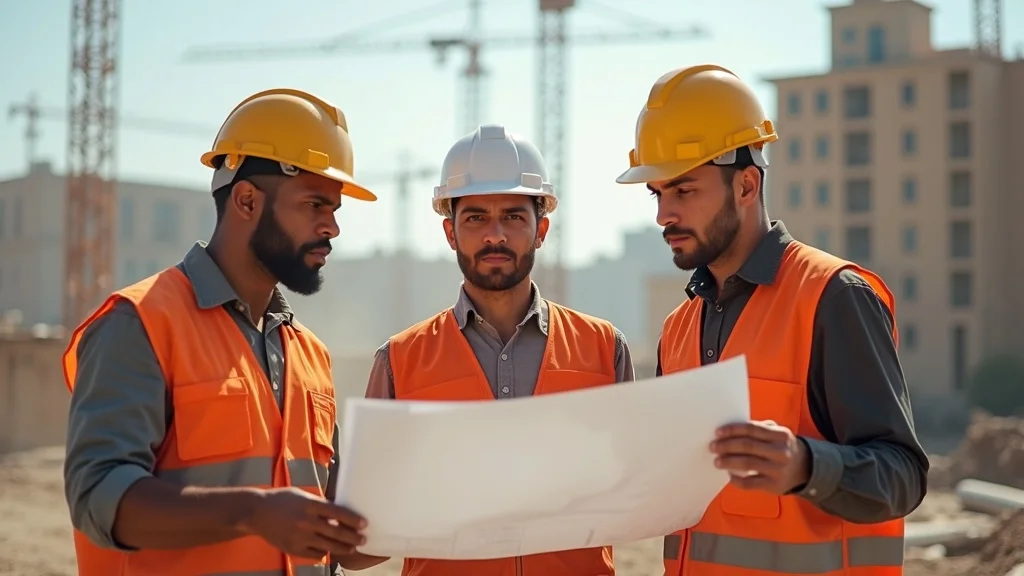
Contemporary construction site team collaborating on plans, diverse ages and ethnicities, active site, safety gear, photorealistic, earthy tones, high contrast, bright daylight, sharp focus on construction industry

Recognizing the Hidden Impact of Workforce Wellness in the Construction Industry

The health and resilience of your workforce isn’t just about generous healthcare plans or periodic safety briefings. In the construction industry, where margins are thin and the work is physically demanding, workforce wellness underpins every measure of success—from job-site productivity to employee retention and reputation. CEOs often overlook how daily pressure, long hours, inadequate mental health resources, and the unspoken toll of occupational hazards lead to absenteeism, mistakes, and a revolving door of skilled labor. Understanding how to address employee wellbeing is not just a moral imperative—it's a strategic one, especially when overlooked benefit structures can quietly erode or bolster profitability.

Leaders who recognize the quiet, cumulative effects of wellness (or its absence) are positioned to transform how their companies operate. Not only does this mean fewer days lost to injury or burnout, but it also translates to enhanced recruitment leverage, increased job satisfaction, and better safety outcomes. When construction work is demanding—all the more reason to make wellness a leadership priority, not an afterthought.

The Day-to-Day Reality for Construction CEOs and CFOs

Construction CEOs and CFOs carry a unique weight: every safety briefing connects to insurance costs, every lost day impacts timeline commitments, and every compensation change is scrutinized under the microscope of razor-thin margins. For many, workforce wellness feels abstract. Yet, every site tour brings reminders—strained backs, distracted workers, and overheard conversations about aches and stressors that never make it into budget forecasts. Frontline stories of missed family events, postponed doctor visits, or burned-out foremen signal deeper issues with workplace culture and highlight a gap in the company’s wellness program.

The day-to-day for leadership means managing risk, but the real risk comes from overlooking the slow drip of absenteeism, high turnover, and preventable injuries. When leaders prioritize workforce wellness, they move from reactive to proactive: addressing mental health and physical wellbeing, reducing accidents, and smashing the cycle of expensive, short-term fixes. This shift transforms the work environment, making each crew member not just safer, but also more loyal—to each other and to your company.

Scenario: A Team’s Health Challenges Expose Larger Risks

Picture a midsize construction firm with multiple active job sites. Over the past year, increased absences due to sprains and mental fatigue have quietly slowed project delivery—costing both time and client trust. An otherwise high-performing team starts to see rifts: supervisors filling in gaps, employees rushing tasks to “catch up,” and a steady stream of paperwork tied to workers’ comp claims. The leadership thought they had “good enough” insurance, but health challenges exposed deeper vulnerabilities—gaps in proactive care, lack of accessible wellness resources, and ultimately, a reactive culture.

This isn’t just a cost-of-doing-business scenario; it’s a wake-up call. When the CEO finally initiated a comprehensive wellness program, they discovered overlooked ways to reduce FICA liabilities and improve take-home pay—without adding a new budget line. The result? Project delivery improved, and the team rediscovered its rhythm. Addressing employee health proactively revealed what spreadsheets had hidden: wellness is the first foundation for sustained commercial success in the construction industry.

What You'll Learn About Strategic Benefits and Leadership in Workforce Wellness

  • How strategic benefits improve construction work retention and performance

  • The critical role CEOs play in reshaping employee wellbeing

  • Which overlooked benefit structures can lower FICA liabilities

  • Real-life examples from wellness programs in the construction industry

  • Next steps to unlock sustainable, cost-effective wellness strategies

Modern construction office, CEO and CFO discussing wellness strategies, boardroom, cityscape, blueprints and digital tablets, positive expressions, photorealistic, natural light, professional construction industry leaders

The Critical Role of Leadership in Driving Wellness Programs for Construction Work

In any construction industry firm, the push for workforce wellness has to start at the top. Leadership sets the tone—if the CEO treats wellness as an afterthought, the message cascades through every level, and so do the missed opportunities. Strategic benefits are rarely self-executing. They require vision, advocacy, and the will to challenge the status quo. When leadership steps up, it signals that employee wellbeing matters as much as machinery maintenance or site safety standards.

The CEO who gets involved in crafting wellness policies sends a strong signal to both the boardroom and the jobsite: this is how we do business. Initiatives led by executives carry weight, catalyzing buy-in and ensuring accountability. It’s not just about “checking a compliance box. ” Driving wellness from the C-suite means aligning business and human interests—where increased retention, improved safety, and tangible ROI become daily realities, not distant possibilities.

Why Top-Down Commitment is Essential in the Construction Industry

Top-down commitment reshapes what’s possible for medium-sized construction companies. Employees sense when CEOs personally invest in their wellbeing—when they see leaders walking sites, discussing mental health openly, or rolling out accessible wellness programs. This direct involvement reduces stigma, boosts morale, and bridges the gap between field crews and management. In a world where construction work is both physically and mentally demanding, a visible commitment from the C-suite is a defining advantage.

The critical role of the CEO lies in championing systemic change, not just isolated perks. It means integrating wellness into daily operations and aligning it with overall strategic goals—turning resistance into enthusiasm and replacing skepticism with loyalty. When leadership actively participates, even longstanding crews can feel a cultural shift: from surviving the day to thriving on the job, with absenteeism and turnover steadily declining.

Executive leadership, CEO shaking hands with construction worker, high-vis vest, sunlit jobsite, building materials, animated dust, photorealistic, leadership in construction industry, golden hour lighting

CEO-Led Initiatives: Success Stories and Lessons Learned

Real-world examples prove that CEO-led wellness initiatives achieve powerful results. At one regional construction firm, leadership noticed recurring health claims tied to stress and repetitive injuries. Instead of launching generic benefits, the CEO personally piloted an on-site wellness initiative—offering mental health counseling, ergonomic training, and nutrition workshops. The program included both field and office staff, sending a clear message from the top: “Your health matters here. ”

Within months, the company saw measurable improvements: fewer days lost to injuries, stronger engagement scores, and—most striking—a spike in voluntary referrals of friends for new positions. Team members spoke openly about the support they received, and the CEO became known as a problem solver, not just a profit-seeker. The lesson? When wellness programs are CEO-led, they don’t just tick boxes—they set new standards for performance and loyalty industry-wide.

Pain Points CEOs Face: The High Stakes of Employee Wellbeing in Construction Companies

  1. Ongoing healthcare cost pressures and shrinking operating margins

  2. Struggles in recruiting and retaining talented construction workers

  3. Lack of reward mechanisms that boost morale and productivity

  4. Challenges in raising take-home pay without increasing payroll costs

  5. Difficulty reducing administrative and compliance burdens

Stressed construction CEO looking at financial documents, modern office, project blueprints, monitors with budgets, scattered paperwork, realistic shadowing, construction industry leadership challenges

Overlooked Strategic Benefits: Why CEOs in Construction Must Lead on Workforce Wellness

Most construction leaders are familiar with traditional benefits—health insurance, safety gear, a once-a-year bonus. But overlooked strategic benefits, like tailored wellness programs, can fundamentally alter the cost structure and risk profile of your company. CEOs who revisit their benefit portfolios—seeking untapped ways to lower FICA liabilities and raise employee take-home pay—find far more than compliance advantages. They discover a lever for operational transformation: healthier, retained workers and a reputation that travels faster than any job posting.

These underutilized strategies transform companies from cost-cutters to talent magnets. A smarter approach can yield meaningful savings, boost job satisfaction, and strengthen field and office loyalty—an unbeatable edge in a tough labor market. The construction industry’s big secret? The true advantage is hiding in strategic wellness, not the next lowest-cost vendor.

Wellness Programs Versus Traditional Benefits—What Changes the Game?

Traditional benefits play a crucial role, but wellness programs go further by offering proactive solutions to everyday challenges. Instead of waiting for claims and injuries, these initiatives address physical and mental health upstream—with ergonomic improvements, counseling, and financial literacy workshops. Unlike standard perks, targeted wellness programs help employees feel valued and cared for before problems escalate.

Game-changing results come from customization. When leaders take the time to learn field challenges—long hours, seasonal ailments, site-based stressors—they design programs that are seen as a genuine investment in the team, not window-dressing. The difference shows up in lower absences, higher morale, and projects delivered on time. That’s the dividend of CEO-led wellness: a more resilient, productive workforce and a healthier bottom line.

Construction workers and office staff relaxing, stretching, drinking water, construction break area, healthy snacks, relaxed work environment, photorealistic teamwork, field and office wellness program

How Wellness Initiatives Directly Lower FICA Liabilities

Overlooked benefit structures exist within the reach of most construction companies, allowing CEOs to enhance care without adding payroll cost. By strategically leveraging pre-tax wellness benefit accounts and compliant fringe packages, firms not only provide better access to healthcare and wellness resources, but also reduce taxable wages—leading to real FICA savings at both the company and employee level. This means each dollar invested in a wellness program can lower payroll tax exposure and increase net pay.

The impact is substantial: CEOs can redirect funds to create wellness programs that matter—such as on-site health advisors or confidential counseling services—building trust and supporting the entire workforce. While these options have often remained underutilized due to administrative uncertainties, advances in benefit technology now make setup smooth and compliant. For leaders, the takeaway is clear: overlooked benefits aren’t just a compliance trick, they’re a competitive weapon that supports your team while reducing the company’s burden.

How Employee Wellbeing Connects to Crew Safety and Productivity

Employee wellbeing forms the backbone of workplace safety and sustained productivity on complex jobsites. Construction work demands physical strength and alertness—both of which are frequently undermined by stress, fatigue, or easily treatable health issues. Investing in wellness initiatives such as stretching sessions, mental health check-ins, and rapid-access care links directly to lower accident rates, faster resolution of injuries, and measurable improvements in crew reliability.

Moreover, employees who feel their health and wellbeing are priorities are more likely to report hazards, watch out for each other, and stay with your company for the long haul. That positive cycle—where wellbeing sparks safety, and safety encourages engagement—proves that wellness isn’t just nice to have: it’s the foundation of quality project delivery in the construction industry.

"A smarter approach to workforce wellness can make a bigger difference for your team and your business than a hundred small cost-cutting measures."

The Business Case: Strategic Benefits for Construction CEOs and CFOs

Strategic benefits are a tool for both surviving and thriving in a fiercely competitive construction market. CEOs and CFOs who embrace wellness as a core business strategy continually outperform their peers on three key fronts: reduced operating costs, enhanced team retention, and improved project delivery. By integrating comprehensive wellness programs and modern benefit structures, these leaders align business goals with human needs—proving that what’s good for employees is also good for profitability.

The data is compelling: companies that invest in holistic employee health experience lower healthcare claims, less absenteeism, and markedly higher retention. These outcomes protect margins, safeguard institutional knowledge, and attract top-tier talent. When CEOs reframe benefits as an investment rather than an expense, the resulting business case is self-evident: embracing a robust wellness strategy is the smart—and necessary—move.

Case Example: Construction Industry Wellness Program Results

Consider the experience of a 120-person construction firm grappling with repeat workplace injuries and climbing healthcare bills. The CEO, frustrated with one-size-fits-all insurance, introduced a customized wellness program: field-specific ergonomics workshops, onsite physical therapy, regular mental health awareness seminars, and streamlined access to care. Within a single year, reported injuries decreased by a third, and feedback from team members reflected a notable rise in job satisfaction.

Importantly, word of mouth about the program reached local trade schools and labor pools. Recruitment of skilled labor became easier, and retention rates soared. Badges of pride—new safety records, project awards—followed. This real-world result mirrors what many construction CEOs are starting to discover: a well-designed wellness program pays for itself many times over in both visible and hidden ways.

Smiling construction workers and manager celebrating success, high-fives, urban rooftop, photorealistic, completed project background, team morale, construction industry wellness program

Data-Driven Analysis: Retention, Absenteeism, and Healthcare Claims

Robust wellness programs drive down key cost factors for construction companies. Data shows that focusing on physical and mental wellbeing leads to lower injury rates, fewer lost-day incidents, and reduced healthcare claims. Teams with strong wellness cultures are more likely to stay with the company, resulting in lower turnover and recruitment costs.

Absenteeism—a perennial source of hidden margin erosion in construction—drops when employees feel empowered to seek preventive care and early intervention. Claims data from firms with comprehensive wellness benefits consistently reflects fewer high-cost emergency incidents, directly supporting bottom-line health while supporting a culture of open communication and shared success.

Reducing Operating Costs While Improving Workforce Health

It is no longer a trade-off: construction CEOs can lower operating costs while simultaneously boosting employee health and morale. Through smart plan design—shifting from reactive claims management to active prevention—companies manage risk more efficiently. New benefit platforms streamline compliance and reduce paperwork headaches, further freeing leadership to focus on growth.

Gone are the days of unpredictable premium hikes and reactive culture. By integrating wellness and well-being measures at every level, mid-size construction companies lay the groundwork for scalable success: outperforming peers, delighting clients, and operationalizing care as a business advantage.

Key Elements of Effective Wellness Programs in the Construction Industry

To deliver true value, wellness programs must be holistic, relevant, and adaptable. For the construction industry, this means targeting three pillars: mental health awareness, proactive physical health measures, and genuine support for financial wellbeing. The best programs are not one-size-fits-all—they meet employees where they are, whether dusting off boots after site work or logging in from a laptop in the office. CEOs who champion such initiatives see outsized results: increased loyalty, fewer injuries, and a reputation for innovation.

Effective wellness programs foster real engagement by including both preventive health screenings and accessible crisis resources. They provide practical tools and simple navigation so busy crews can use them easily. When leadership invests in programs tailored to the unique challenges of construction work, trust grows, and wellness stops being an HR checkbox—it becomes a competitive edge.

Critical Features: Mental Health, Physical Health, and Financial Wellbeing

Strong programs begin with robust mental health support—normalizing access to counseling and breaking down stigma. Next comes physical health: ergonomics training, daily stretching circuits, hydration reminders, and rapid injury triage all make a measurable difference on demanding jobsites. Third is financial wellbeing, often the most overlooked. This involves providing planning resources, debt counseling, and education on pre-tax benefit options that boost take-home pay without increasing base payroll.

When these three features are integrated, companies see fewer costly mistakes, greater engagement, and a sense of pride that extends beyond paychecks. The construction industry thrives when crews feel both capable and cared for—directly linking wellbeing with resilience in the work environment.

Holistic wellness for construction: mental health meditating, physical stretching in uniform, financial planning with calculator, positive workplace, photorealistic, blended scenes, diffused light

Customization for Construction Workforces

Addressing wellbeing in the construction industry means recognizing that field crews and office staff have distinctly different needs. Forward-thinking CEOs seek input from every role, tailoring programs to tackle real challenges—from repetitive motion injuries on site to burnout risks in the back office. Custom wellness plans might include on-site flu shots, confidential helplines, financial seminars, or even fitness competitions between crews.

By continually gathering employee feedback and iterating based on actual usage patterns, CEOs build programs that work for everyone, not just a theoretical “average” worker. This fosters inclusion and delivers value that employees actively engage with—a major driver of program adoption and long-term morale.

Engaging Both Office and Field Employees in Wellness Initiatives

Engagement is the hinge between a successful program and a paper-policy. Leaders who make wellness personal—showing up for field kickoffs, sharing stories, and recognizing champions—bridge the gap between field and office. Incorporating wellness into onboarding, regular team meetings, and site huddles keeps it top-of-mind and not just “nice to have. ”

Technology platforms can also help—with mobile reminders, telehealth appointments, and simple benefit dashboards ensuring both office and remote teams can access support whenever it’s needed. The more employees feel included and empowered in wellness decisions, the stronger the cultural buy-in and the better the business results.

How Strategic Benefits Build a Better Workplace Culture and Competitive Edge

  • Improved mental health support and awareness

  • Enhanced employee attraction, satisfaction, and loyalty

  • Meaningful recognition and rewards for team members

  • Safer, more reliable project delivery

Inclusive construction workplace, diverse office and site staff interacting, construction models, plants, modern lobby, positive culture, photorealistic, project management in construction industry

People Also Ask

Why should construction CEOs care about workforce wellness?

Construction CEOs should care because workforce wellness directly drives productivity, retention, and company reputation. Given the high physical and mental health demands of construction work, addressing employee wellbeing helps reduce costly accidents and turnover. Effective wellness initiatives are an investment in operational resilience and smarter business performance.

How do wellness programs affect construction companies’ bottom line?

Wellness programs lower healthcare claims, reduce absenteeism, and improve employee engagement. This means fewer unexpected costs and a more stable, proactive workforce. By leveraging strategic benefit designs, construction companies can even lower FICA tax liabilities—resulting in direct, measurable savings that support both short-term cash flow and long-term competitiveness.

What are the most impactful wellness programs for the construction industry?

The most impactful programs combine mental health access, targeted physical health support (stretching, ergonomics, fast care for injuries), and financial literacy tools. Programs tailored to the unique demands of field and office staff drive the highest adoption, participation, and return on investment, building a culture of loyalty and safety.

What role does mental health play in construction work environments?

Mental health is a cornerstone of effective construction management. High-stress sites, tight deadlines, and physically demanding tasks leave workers vulnerable to fatigue and burnout. By making mental health support visible and accessible, companies reduce stigma, strengthen teamwork, and create safer overall work environments.

Can wellness programs lower healthcare costs without raising payroll expenses?

Yes. By adopting pre-tax wellness benefit structures, construction firms can simultaneously reduce taxable payroll costs and increase employees’ take-home pay. This approach allows for expanded wellness program access without raising payroll, turning an expense into both a tax advantage and strategic recruiting tool.

Navigating the Legal and Compliance Aspects of Wellness Programs in Construction Companies

For CEOs, compliance isn’t just a legal necessity—it’s an essential safeguard for sustainable wellness programs. Every wellness program must align with regulatory requirements, including the Affordable Care Act, HIPAA, ADA, and relevant IRS guidelines. Missteps can result in fines or loss of tax advantages, which is why consultation and careful plan design are indispensable.

By working with knowledgeable advisors and proactive HR support, leadership can implement tailored, compliant plans that reduce liability and maximize financial and human benefits. Staying informed about state and federal updates is crucial, as even minor changes can alter which programs qualify for FICA relief or other tax benefits. Best-in-class construction companies make legal diligence a core part of their wellness strategy.

Ensuring Benefits Programs Align With Regulatory Requirements

Thorough compliance review ensures that wellness programs—especially those with tax-advantaged structures—avoid costly pitfalls. Firms should document eligibility requirements, privacy protections, and incentive caps to remain within IRS, DOL, and EEOC parameters. Regular audits and clear communication with legal advisors keep programs running smoothly and protect company reputation.

Staying compliant also helps build trust with employees, reassuring them that personal data and health decisions are respected and safe. When in doubt, consult HR and legal experts familiar with the unique contours of benefit law as it applies to the construction industry.

Professional compliance review, CEO and HR consultant in sunlit meeting room, legal books, benefit documents, focused expressions, construction firm compliance with wellness programs

Partnering With Trusted Advisors to Mitigate Risks

Smart CEOs know that they don’t have to navigate these complexities alone. Partnering with trusted advisors—benefits brokers, tax consultants, and specialized HR vendors—helps identify both hidden risks and untapped opportunities. Experienced advisors can recommend effective structures, pinpoint compliance gaps, and design programs that evolve with both business needs and regulatory shifts.

A partnership approach allows you to anticipate shifts before they become issues and ensure every dollar spent on wellness delivers maximum ROI for your people and your business.

Implementing Strategic Benefits: First Steps for CEOs Ready to Lead

  • Assess your current benefit program and workforce needs

  • Identify overlooked options for reducing FICA and related taxes

  • Engage employees in the design of wellness programs

  • Evaluate technology solutions for seamless benefit delivery

"What would it mean if you could provide better care and boost take-home pay, all without increasing payroll costs?"

FAQs: Strategic Benefits, Construction Work, and Wellness Programs

How do strategic benefits improve employee retention in construction work?

Strategic benefits create a workplace where employees feel supported and rewarded—not just with pay, but with access to health, wellness, and financial growth resources. This transforms construction jobs into career paths, making employees far more likely to stay through projects and beyond. In a high-churn industry, even small increases in retention significantly reduce recruiting, training, and lost productivity costs.

What wellness programs are commonly adopted in the construction industry?

Successful construction firms use a mix of on-site medical screenings, injury prevention training, confidential mental health counseling, and voluntary fitness challenges. Many also offer flexible pre-tax spending plans and digital wellness resources to reach both field crews and office staff. What matters most is tailoring offerings to genuine workforce needs and communicating them clearly.

Can CEOs directly influence employee wellbeing through workplace policy changes?

Absolutely. CEO-led policy changes—from flexible shift scheduling to expanded counseling and accessible ergonomic resources—signal an institutional shift. When leadership drives wellness initiatives, they move quickly from policy binder to lived experience, enriching daily work and strengthening employee loyalty.

Are there tax advantages to investing in wellness programs for construction companies?

Yes, specific tax-advantaged benefits—like pre-tax wellness reimbursements or compliant fringe packages—allow companies to reduce SUTA and FICA liabilities. By designing wellness initiatives to qualify under existing IRS codes, construction CEOs can boost employee net pay and minimize additional costs, making wellness both smart and financially strategic.

What are the first actions a CEO should take to develop a workforce wellness initiative?

Begin with a workforce assessment—gather employee feedback, review injury and absences data, and pinpoint unique challenges. Consult HR advisors to explore compliant plan options, set clear goals, and roll out programs in phases. Most importantly, communicate from the C-suite: “This matters to us—here’s how we’re investing in your wellbeing. ”

Key Takeaways: Strategic Benefits and Wellness Leadership for Construction CEOs

  • Strategic benefits reduce costs and improve morale in construction companies

  • CEO leadership is essential for effective, long-lasting wellness programs

  • Employee wellbeing drives business success and operational resilience

  • Overlooked benefit structures can create financial and competitive advantages

Confident construction executive with team at project site, bold colors, sunlight on new building, safety gear, leadership strategic benefits, construction industry

Embracing a Proactive Approach: Charting a Sustainable Path Forward

The roadmap to sustainable growth in construction runs through strategic wellness. When CEOs lead by example, align benefit programs with true workforce needs, and partner with experts, they don’t just survive—they build companies where people, projects, and profits thrive together.


Let’s Discuss Your Company’s Strategic Benefits—No Pressure, Just a Conversation

Call us at 817-587-0747 or email me at Alan@AKPBusinessAdvisors.com

Health, Wellness and Workplace Safety

0 Views

0 Comments

Write A Comment

*
*
Please complete the captcha to submit your comment.
Related Posts All Posts
04.18.2026

Healthier Teams, Stronger Balance Sheets: The Definitive ROI of Construction Wellness Programs

Did you know the average construction firm absorbs 30% higher healthcare costs per employee than general industry? For leaders overseeing crews from 25 to 300, these costs aren’t just a painful number—they’re an ever-present threat to margins, resilience, and even talent retention. The invisible price of absenteeism and high turnover weighs on balance sheets just as heavily as direct insurance claims. If you could strengthen your team’s health while reducing costs—and do it without adding to payroll or premiums—what would that mean for your company’s future? This article explores the transformative, sometimes overlooked, impact of corporate wellness programs designed specifically for the construction industry, offering a grounded roadmap to healthier employees and a more robust bottom line. The Unseen Cost of Construction Workforce Health: Why Healthier Teams Drive Stronger Balance Sheets Construction executives know that every labor hour lost to illness or injury chips away at both project schedules and profitability. But the true financial burden of workforce health goes beyond doctors’ bills and sick days; it includes the lost productivity that slows your crews, the expense of onboarding replacements, and the morale drain that erodes your culture over time. If you’re running a construction firm of 25, 100, or 300 employees, these “soft” costs eat into your balance sheet with remarkable consistency and are often hidden in administrative line items—insurance claims, safety penalties, or simply the lost opportunities brought on by absenteeism. The question isn’t just “how much are you spending on healthcare,” but “how much could you improve your workforce stability—and your financial resilience—by investing intentionally in employee wellness?” In an industry infamous for chronic aches, mental health stresses, and safety hazards, construction wellness programs can dramatically reduce healthcare costs, lower sick days, and ease the recruiting burden by projecting a reputation as a caring employer. Healthier teams translate directly into stronger balance sheets, and the ROI of corporate wellness is consistently positive—when programs are implemented strategically, tailored to the workforce, and measured using the right key metrics. “The average construction firm absorbs 30% higher healthcare costs per employee than general industry—a reality hidden not just in claims, but in absenteeism and team churn.” What You'll Learn About Healthier Teams, Stronger Balance Sheets: The ROI of Construction Wellness Programs How wellness programs can reduce healthcare costs and sick days The impact of employee wellness on recruitment and retention Ways a corporate wellness program helps lower FICA liabilities Practical case studies: Construction companies seeing measurable ROI Best practices to strengthen both workforce health and financial performance Redefining the ROI of Corporate Wellness for Construction Companies What is the ROI of workplace wellness programs? Most CEOs and CFOs are quick to ask: “Will a wellness program actually provide a real return on investment (ROI)?” In construction, the answer is unusually compelling. Studies show ROI of corporate wellness consistently ranges from $1. 50 to $3. 00 for every dollar spent—sometimes more when factoring in tax-optimized models that construction can uniquely deploy. The savings arise from reduced healthcare costs, decreased sick days, and even indirect gains like higher productivity and fewer workers’ compensation claims. Let’s get granular: A single sick day isn’t just a lost wage; it means disrupted workflows, expanded overtime, and sometimes fines for delayed completion. Over a year, firms with active wellness program participation report up to 28% fewer sick days, translating to thousands in project savings even before tax or insurance reductions are factored. By tracking key metrics—like sick days avoided, reduction in claims, utilization of health support resources, and retention rates—companies can clearly articulate the ROI of workplace wellness to boards and investors with confidence. Beyond Healthcare Costs: Real Business Outcomes from Employee Wellness Programs While healthcare costs are a major pain point, the highest-impact outcomes of corporate wellness programs often materialize elsewhere. First, construction businesses with effective wellness initiatives see noticeably higher employee morale—even amidst tough, physical work. When teams trust their employer to safeguard both physical and mental health, turnover rates drop and recruiting sees a measurable boost. It becomes easier to attract high-caliber tradespeople when word-of-mouth establishes your firm as forward-thinking on worker well-being. Consider the “soft” but substantial gains: fewer safety incidents due in part to mental health support and stress management, stronger teamwork fostered by shared health goals, and the subtle but powerful cultural “glue” that wellness programs provide. These factors are directly connected to greater project continuity, fewer disputes, and higher employee productivity, resulting in a healthier workforce that can tackle more ambitious schedules without sacrificing safety or morale. 5 Pain Points Solved by Construction Wellness Programs Recruit better employees and reduce hiring/turnover costs Retain experienced team members for smoother operations Reward employees meaningfully via benefits, not just pay Raise take-home pay by reducing taxable payroll burdens Cut healthcare and operating expenses through smarter wellness program deployment For construction companies in today’s labor market, every one of these pain points poses both a risk and an opportunity. Recruitment is no longer just a matter of offering the highest wages; skilled workers want assurances their employer cares about their well-being. Comprehensive wellness programs—including mental health, health assessments, and preventive care—signal that commitment. On the “reward” and “retention” side, offering more than just hourly raises sets your company apart. Wellness benefits—like FICA tax optimization, access to on-site care, or gym stipends—translate into higher net pay and daily well-being, both immensely valued by field crews. The outcome: you retain not just workers, but institutional knowledge and jobsite cohesion, while reduced healthcare costs deliver happier, healthier teams and a more controllable balance sheet. Understanding the True Return on Investment for Corporate Wellness Programs in Construction Analyzing Wellness Programs: From Sick Day Avoidance to Healthier Workforce Productivity Traditional ROI calculations for wellness programs focus on insurance premium reductions, but that’s just the beginning. Leading construction firms analyze program success through a spectrum of key metrics: the reduction in sick days, fewer workplace incidents, and marked improvements in team communication and morale. Even a 10% decrease in days missed translates into a significant uptick in on-site productivity, minimizing project delays and costly individual overtime. By pairing routine health assessments and preventive outreach with incentives for healthy behaviors (like smoking cessation or regular physicals), companies encourage healthier lifestyles and reduce chronic illness prevalence. Over time, this builds a happier, healthier workforce able to shoulder consistent workloads—a critical edge in the physically demanding construction field. With fewer sick days and stronger mental health support, every project runs with less disruption, and the overall return on investment extends well beyond the ledger to the daily jobsite culture. How Effective Are Employee Wellness Programs? The evidence is compelling: effective employee wellness programs can drive a 28% reduction in sick days and up to 18% lower turnover for midsized construction firms, according to industry case studies. But effectiveness isn’t automatic—it’s the result of strategic plan alignment, consistent measurement, and genuine support from leadership. Key factors for success include tailored education around both physical and mental health, easy-to-access health support, and integration of wellness initiatives with overall company goals. Program effectiveness also hinges on communication and participation—crews need to see not only that the wellness program exists, but that it’s valued by management and connected directly to their take-home pay and well-being. When data is shared transparently—like tracking reduced healthcare expenses or offering annual health assessments—companies build trust, further boosting engagement and program outcomes. Corporate Wellness Programs: The Overlooked Path to Lower FICA and Higher Net Pay How Wellness Programs Reduce Healthcare Cost Burdens Without Raising Payroll While many wellness benefits cost money to implement, modern corporate wellness program structures—such as Section 125 and Section 105 plans—are built to fund themselves. These models leverage pre-tax contributions, lowering both employer and employee FICA liabilities, and redirecting money that would otherwise go straight to the IRS toward real, tax-free health support. The result: teams enjoy meaningful benefits (like health screenings, telemedicine, or wellness stipends), all while reducing overall payroll tax and healthcare cost burdens. These savings are real and immediate. For firms with dozens or hundreds of employees, FICA optimization can result in thousands—sometimes tens of thousands—added directly to the balance sheet each year. This structure means you boost total compensation packages, improve retention, and signal to prospective hires that your company goes beyond the basics—all without increasing base payroll or premium costs. “Every dollar saved through FICA optimization adds directly to your balance sheet—without increasing payroll or premiums.” Case Study: Strengthening Balance Sheets with Employee Wellness—Real-World Construction Examples Example 1: Small contractor raises team take-home pay by $1,800 per year, cuts PTO loss by 28% Example 2: Mid-sized firm reduces annual healthcare claims by $85,000 through targeted wellness initiatives Example 3: Regional construction company decreases turnover 18% after implementing comprehensive wellness program These success stories show it’s possible to realize substantial savings and build happier, more stable crews. In Example 1, a Texas-based contractor saw sick day usage decline and annual take-home pay rise for every field and office worker—purely through strategic, tax-efficient wellness program design. In Example 2, preventive screenings and stress-management education dramatically curbed chronic condition claims, delivering quick, direct savings on insurance spend. And Example 3 highlights how loyalty programs and mental health support, when communicated clearly, turned chronic turnover into one of the company’s proudest cultural strengths. Each of these cases underscores the ROI of corporate wellness—shifting the conversation from “is it worth it?” to “what’s the cost of waiting another year?” Which of the Following Is a Reason Companies Are Investing in Wellness Programs for Their Employees? Construction companies are increasingly investing in wellness programs for multiple strategic reasons: (1) controlling and reducing healthcare costs that have risen faster than revenues; (2) improving recruitment and retention in a ferociously competitive labor market; (3) boosting productivity by ensuring employees are healthier and miss fewer days; (4) fostering a stronger culture of safety and care, which pays dividends in morale and teamwork; and (5) leveraging legal and financial frameworks, like FICA optimization, that make benefits more efficient and cost-effective. The bottom line: wellness programs aren’t just “nice to have”—they’re now a practical, proven tool for any construction firm looking to build a competitive edge both in financial performance and workforce loyalty. Best Practices & Benefits: Corporate Wellness Program Strategies for Construction Firms What Is the Best Example of a Wellness Benefit That a Company Might Offer? The highest-impact wellness benefits in construction are those that directly address workforce pain points and are easy to use. One prime example? On-site preventive health screenings—delivered conveniently at the jobsite by qualified nurses or mobile clinics. These services catch risks early, enable fast follow-up, and dramatically reduce later, higher-cost claims. Other standout examples include confidential mental health support, subsidized gym memberships, or telemedicine access tailored to unpredictable shift schedules. Meaningful wellness benefits are always visible, simple to access, and clearly communicated as a real part of a worker’s compensation—not just a checkbox on a HR form. When teams see the direct connection between a program and their daily life (fewer sick days, higher take-home pay, or better mental health support), engagement rises and the company’s reputation as a caring employer grows. Building Healthier Employees: A Step-by-Step Guide to Getting Started Assess your current workforce health profile and sick day data Benchmark your healthcare costs and employee turnover ratios Identify matching wellness program models (Section 125/105 examples) Communicate value to teams: how their net pay can rise and risk protection improves Implement with outcome measurement and ongoing feedback loops Launching a successful corporate wellness program starts with understanding where your team stands today. Use brief health assessments and a review of payroll data to pinpoint chronic problem areas—excess sick days, high premium increases, or costly turnover episodes. Benchmarking this data not only reveals the cost but makes eventual progress undeniable. The next step is selecting the right program model: for most construction firms, Section 125 (cafeteria/POP plans) and Section 105 (employer-funded defined benefit health plans) can yield the greatest financial leverage. Communicate these ideas openly—showing field and office staff how participation can boost take-home pay or offer genuine protection in case of illness. Finally, commit to ongoing measurement. Sharing results, updating programs with new incentives, and soliciting real-time feedback keeps participation high and ensures your wellness strategy continues to deliver a strong return on investment. Key Takeaways: The Lasting Value of Healthier Teams and Stronger Balance Sheets Wellness programs are not just ‘perks’; they drive ROI of corporate wellness through tangible outcomes. Addressing employee health and well-being strategically can lower costs and improve recruitment and retention. Corporate wellness program structures can reduce payroll taxes, increase take-home pay, and raise workforce morale. Frequently Asked Questions: Healthier Teams, Stronger Balance Sheets and Wellness Program ROI What types of wellness programs deliver the highest ROI for construction companies? The most effective wellness programs are tax-optimized Section 125/105 plans, on-site preventive screenings, mental health resources, and those that blend physical well-being with financial incentives. These focus areas deliver both immediate cost savings and longer-term workforce stability. How can I measure success and justify the investment to my board? Success should be measured using concrete key metrics—decreased healthcare expenses, fewer sick days, lower turnover, and improved employee satisfaction. Track baseline data before and after implementation, present findings regularly, and link outcomes to both budget and operational goals for compelling board buy-in. Do wellness programs require additional out-of-pocket costs for employers? Not necessarily. Well-structured corporate wellness programs (especially Section 125 and 105) allow you to reallocate payroll or FICA savings while delivering meaningful benefits, resulting in little or no net increase in employer costs. How quickly do wellness programs start showing financial results? Financial benefits often appear within the first year, particularly in lower FICA outflows, improved employee morale, and fewer sick days. Larger gains compound over two to three years as healthier habits take root and chronic claims decline. Let’s Have a Conversation About Your Construction Wellness ROI Every firm’s balance sheet tells a story—but the next chapter is yours to write. Let us help you see how a custom wellness plan could add value immediately and over the long term. Call us at 817-587-0747 or email Alan at Alan@AKPBusinessAdvisors. com to talk specifics about the ROI opportunities unique to your company and your teams. Conclusion: Strategic wellness programs give construction leaders an edge—lowering costs, uplifting teams, and strengthening the financial foundation for sustainable growth. Sources CDC - Workplace Health Promotion: Controlling Health Costs National Safety Council: Wellness Programs Boost Productivity SHRM: Measuring ROI for Wellness Programs Construction Dive: ROI of Construction Wellness Programs Workforce.com: Wellness Programs Produce Favorable ROI IRS: Health Savings Accounts and Other Tax-Favored Health Plans Implementing wellness programs in the construction industry can lead to significant financial and operational benefits. For instance, a study highlighted by Concentra found that for every dollar invested in wellness programs, companies can see an average return of $3. 27 in lower healthcare costs. (concentra. com) Additionally, research from the International Foundation of Employee Benefit Plans determined that most North American employers saved $1 to $3 in their overall health care costs for every dollar spent. (concentra. com) These findings underscore the substantial return on investment that construction firms can achieve by prioritizing employee wellness.

04.18.2026

The Case for Mental Health Programs in Construction: Beyond Compliance to Cost Control

What if you could not only protect workers better but meaningfully reduce your operating costs at the same time? Could the solution you’re missing be as human as investing in mental health?A Startling Truth: Mental Health and the Construction Industry“The construction industry faces a suicide rate nearly four times higher than the national average.”—Construction Industry Alliance for Suicide PreventionMental Health Challenges in the Construction Industry: The Scope of the IssueThe construction industry operates under grueling conditions: long hours, physically demanding work, constant deadlines, and environments where job insecurity feels ever-present. According to multiple recent studies, these realities are fueling a silent health crisis that extends well beyond immediate physical safety on the construction site. Workforce data reveal elevated risks of health challenges, particularly related to mental health issues, substance abuse, and an alarming suicide rate. The Centers for Disease Control and Prevention (CDC) consistently highlight construction as having one of the highest occupational suicide rates in the United States—a devastating statistic that cannot be overlooked.The impact grows even more pronounced when considering how untreated mental health challenges cascade into substance abuse, absenteeism, and errors that jeopardize construction safety. From delayed job performance to the strain on company healthcare resources, the interplay between psychological safety and physical wellbeing becomes a fundamental cost concern on every job site. These health issues don’t just threaten project schedules—they have an outsized influence on insurance premiums, workers’ compensation claims, and accident risk. The urgency for leadership to address these interconnected risks cannot be overstated.Workforce exposed to heightened health challengesIncreased suicide rate and substance abuse concernsGrowing construction safety risksWhat You'll LearnHow mental health challenges directly impact cost structures and bottom-linesThe case for mental health programs in construction: beyond compliance to cost controlWhy psychological safety is essential for recruiting and retaining skilled employeesStructural solutions that can lower FICA liabilities and reinvest savings in benefitsActionable steps for advancing employee wellness in your construction companyThe Financial Reality: Employee Healthcare Costs in Construction WorkRising Costs and Healthcare Strain on MarginsEvery construction company leader knows this truth: healthcare costs are rising faster than almost every other business expense. Construction workers face more acute and chronic health issues than the average American employee, which puts significant strain on employer-sponsored plans. For small to midsize construction firms, this isn’t just a spreadsheet problem—it’s a real threat to project margins and company survival. Insurance premiums climb as incidents of injury, substance abuse, and mental health needs remain high. The result: higher deductibles, more out-of-pocket costs, and less comprehensive coverage, all of which feed into employee dissatisfaction and higher turnover.The pressure lands squarely on the shoulders of the project manager and CFO, who must balance budgets with the real human needs of their crews. Long-term, the compounding effect is clear: when mental health issues go unaddressed, absenteeism, workers’ comp claims, and safety incidents multiply. As healthcare strain mounts, the need for creative, out-of-the-box cost control becomes immediate and personal—especially when federal payroll taxes (such as FICA) eat into wage packages and leave little room for wellness investments.The Direct and Indirect Cost of Untreated Mental Health on Your Construction SiteUnmanaged mental health issues cost the construction industry far more than medical bills. Absenteeism, presenteeism (workers on the job but unwell), workplace accidents, and rising compensation claims silently erode profitability. For a construction company, every accident or lost labor hour increases the risk of project delays and potential penalties. Substance abuse and high suicide rates in this field drive up the cost of health resources, raise insurance rates, and destabilize teams. Research from the Substance Abuse and Mental Health Services Administration (SAMHSA) and the Centers for Disease Control confirms that, across all job sites, mental health challenges are statistically linked to lower job performance, more errors, and astronomical human costs.Indirectly, poor mental health also eats away at workforce morale, increasing turnover and lowering trust among crews. It creates a negative feedback loop on construction safety, as stressed or distracted workers are more likely to overlook hazards or make mistakes. Over time, untreated issues move from the personal to the organizational, shifting from private struggles to operational liabilities that directly hit the bottom line. Inaction is, in fact, a choice with tangible financial consequences for CEOs and CFOs looking to protect both workers and margins.Examining Construction Worker Retention and Turnover“Every time a skilled worker leaves, it costs about 33% of their salary to replace them.”Retention has become both a cost-control lever and a competitive advantage in the modern construction market. When construction management fails to address mental health proactively, turnover rates escalate, leading to lost productivity and a continuous drain on project budgets. Skilled workers are not easily replaced: new hires require significant onboarding, safety training, and ramp-up periods—all paid for before they ever reach full productivity.Moreover, high turnover undermines the unspoken trust and psychological safety that make construction teams effective, especially in high-risk environments. Each departing team member fractures site cohesion, elevates safety risks, and hampers morale, making recruiting new talent even more difficult. The overlooked reality is that investing in employee well-being can stabilize retention rates, build loyalty, and cut one of the most volatile costs in construction management: the expense of losing and replacing valuable construction professionals.Mental Health Programs in Construction: Recruitment, Retention, and RewardsRecruiting Better Construction Workers Through Enhanced Mental Health SupportCompetitive recruiting in the construction industry is no longer only about wage rates and signing bonuses. Increasingly, top candidates seek out companies recognized for providing holistic mental health resources and demonstrating a real commitment to psychological safety. A recent Construction Financial Management Association (CFMA) survey found that younger workers—now the largest demographic entering trades—rank mental health support and inclusive safety cultures as top deciding factors when choosing employers.Companies that invest in robust mental health programs (wellness check-ins, access to counseling, targeted benefit structures) communicate to potential hires that their well-being is valued. This builds employer brand equity and draws interest from high-caliber professionals craving stability, support, and respect. Even in tight labor markets, demonstrating concern for mental health can tip the scales in favor of your company—especially when candidates can see clear evidence of support embedded within the daily rhythms of the construction site.How Mental Health Programs Promote Retention and LoyaltyWorkplaces that prioritize mental health set themselves apart when it comes to employee loyalty and job satisfaction. Access to confidential health resources, peer support networks, and foremen trained to recognize distress are all proven to bolster retention. Construction safety studies show that workers who feel psychologically safe are far more likely to remain with their current employer, recommend the job site to others, and contribute to a positive culture.Retention is further strengthened when companies move beyond superficial wellness perks—like breakroom snacks or generic EAPs—and instead integrate mental health programs into the core of their HR strategy. The result: fewer stress-related absences, higher morale, and the kind of on-site cohesion that minimizes mistakes and prevents accidents. In an environment where every hour of skilled labor counts, loyalty is a strategic asset with profound cost control benefits.Rewarding Team Members Meaningfully: Integrating Psychological SafetyRewarding employees goes well beyond compensation. In construction, frequent positive feedback, visible appreciation of effort, and a culture that makes it safe to ask for help create an environment where team members thrive. Psychological safety—the sense that anyone can speak up about a mistake, hazard, or personal struggle without fear—protects workers and raises the bar for construction safety.Companies integrating psychological safety at every level (from toolbox talks to boardroom discussions) not only mitigate risk but foster gratitude and motivation among crews. When the business genuinely commits to open communication, mental health first aid, and leadership modeling empathy, rewards multiply: fewer accidents, stronger teams, and consistent productivity. The first step is establishing that every team member is physically and psychologically “safe to work.” The rewards that follow are both human and financial.List: 5 Benefits of Investing in Employee Mental HealthLower absenteeism on the construction siteReduced workers’ compensation claimsGreater job satisfaction among construction workersEnhanced construction safety performanceImproved ability to recruit high-caliber talentBeyond Compliance: Creating a Culture of Psychological Safety in ConstructionAddressing Mental Health in Day-to-Day Construction WorkTo move beyond compliance means making mental health part of daily construction work, not just an annual training or a poster in the breakroom. This begins with foremen and supervisors modeling vulnerability: checking in with team members, asking open-ended questions about stress, and being trained to spot signs of burnout or substance abuse. Building this awareness into the daily routine sends a powerful message: “Your wellness matters here.”As psychological safety becomes part of the fabric of the job site, workers become more likely to report hazards, flag potential mental health struggles, and support one another. This isn’t just good for human resources—it’s smart business. Companies with strong psychological safety cultures benefit from higher productivity and fewer claims, translating to measurable bottom-line impact. The industry is evolving, and those who adapt will be best positioned to recruit, retain, and reward their crews well into the future.How Fostering Psychological Safety Reduces Construction Site Risks“True psychological safety means every crew member trusts that they can speak up about stress or risk without fear of stigma or repercussion.”Deeply entrenched, old-school attitudes—where workers are told to “tough it out” or keep quiet—only increase site risk. When psychological safety reigns, everyone from the apprentice to the superintendent feels empowered to voice concerns, admit uncertainty, or disclose health challenges without risking job security. This transparency allows companies to intervene early, preventing small issues from snowballing into costly incidents.Much like a hard hat protects physical safety, open dialogue about mental health protects site integrity. Fewer secrets and less stigma mean fewer chronic absences, reduced medical costs, and faster identification of emerging risks. The business case is clear: strong psychological safety controls accident rates and liability exposure, improving both health outcomes and the company's reputation with insurers, clients, and future recruits.Case Study: Success Stories from the Construction IndustryThe results? Over two years, turnover dropped 27%, job site accident rates fell by 40%, and the company realized a six-figure reduction in workers’ comp claimsThese companies found that what began as a program to protect workers paid operational dividends: improved safety records, better financial control, and stronger retention—confirming that the business value of mental health care is anything but theoretical. Their experience proves that sustainable, cost-saving change is possible and can start with a single leadership decision.Mental Health Programs in Construction: Reducing Operating Costs and FICA LiabilitiesHow Overlooked Benefit Structures Transform Payroll Tax BurdensFew construction executives realize that benefit structures designed with an eye toward wellness and mental health can reduce payroll tax liabilities—especially FICA (Social Security and Medicare taxes). Innovative plan designs, such as integrated wellness accounts and pre-tax mental health benefits, enable companies to provide meaningful resources to construction workers while lowering taxable wage bases. These structures direct every dollar more efficiently, transforming what was an overhead cost into a true employee investment.Through FICA savings, a portion of what would have been sent to the IRS can be redirected into robust, value-added benefits—without increasing payroll. It’s a largely overlooked strategy that not only improves employee health outcomes but also increases take-home pay and morale. Every dollar optimized through smarter plan design is a dollar available for prevention, early intervention, and targeted employee support—a rare opportunity for real cost control.Practical Strategies for Lowering FICA Through Positive Mental Health SolutionsFor most construction companies, reducing the FICA burden begins with reviewing group health, wellness, and voluntary benefits for opportunities to move eligible programs into pre-tax status. Mental health programs, employee assistance offerings, and resilience training often qualify—yet are rarely optimized. Partnering with a knowledgeable advisor or third-party administrator makes it possible to structure these plans for maximum FICA relief.The result? Lower payroll cost, better benefits, improved job satisfaction, and a measurable impact on your company’s bottom line—in short, the very definition of “smarter cost controlTable: Cost Comparison—Traditional Benefits vs. Integrated Mental Health Programs in Construction (Descriptive Content, No Table Element)Most traditional benefit approaches in construction allocate the majority of resources to major medical coverage, dental, and vision. While important, this leaves gaps in areas that directly affect mental health—such as access to therapy, resilience coaching, crisis intervention, and substance abuse support. Integrated mental health programs, by contrast, balance clinical coverage with pre-tax funded wellness, reducing FICA expense and increasing take-home pay without raising cash outlay.In real world examples, integrated plans cut average employer FICA costs by 7–9%, while simultaneously delivering 20–30% higher employee satisfaction and retention rates. Instead of separate line items for “health” and “wellness,” these programs create a single, flexible pool that aligns operational control with employee needs—transforming benefit expense into bottom-line profit.The Overlooked Link: Construction Safety, Mental Health, and Business ResilienceHow Substance Abuse and Suicide Rates Impact Construction Site OperationsThe construction industry’s high suicide rate—and its correlation with drug and alcohol misuse—presents a direct operational threat. Job site accidents, absenteeism, and higher rates of short-term disability claims result from untreated mental health challenges and substance abuse. Beyond the devastating human toll, these problems translate into lost billable hours, penalties, and increased insurance premiums.When workers self-medicate to cope with stress or trauma, the risk to physical safety compounds. Sites become less predictable and more dangerous; even a single impaired worker can increase the likelihood of a catastrophic event. Undoing this reality means creating conditions where it’s normal—and safe—to seek help, and where mental health is seen as integral to every aspect of construction safety.Addressing Mental Health: A Cornerstone for Construction SafetyConstruction safety is interdependent with psychological safety. Companies that treat best-practice mental health support as a “must have” (not a “nice to have”) see measurable improvements in injury rates, job performance, and productivity. When employees know they can access help confidentially, risks are reported earlier and mitigated faster.Empowering supervisors and project managers as the first line of support, and providing practical mental health resources, transforms not just site safety numbers, but the very culture of the job site. Lower accident rates, fewer worker’s comp claims, and reduced absenteeism are the “hard” results—while morale, loyalty, and pride in craftsmanship are the “soft” returns that make sustainable business success possible.Increased attention to mental health challenges reduces the risk of accidentsHealthier employees demonstrate higher productivity and consistencyPractical Roadmap: Implementing Mental Health Programs on Construction SitesStep-by-Step Guide to Starting a Mental Health InitiativeEvaluate current mental health challenges and needsDesign benefit structures that optimize FICA reliefCreate a culture of psychological safety on every construction siteTrain foremen and supervisors in mental health leadershipMeasure outcomes and ROI for continuous improvementStart by surveying your workforce for pain points and opportunities—anonymous feedback yields the most honest insights. Next, work with a specialist advisor to audit existing benefit programs, identifying areas where pre-tax eligibility and targeted mental health resources can drive both cost savings and higher impact. Roll out education for all site managers so they can model vulnerability and support. Establish clear metrics—such as absenteeism, turnover, claims, and employee satisfaction—then track them rigorously to adjust programs over time. This is a living process, not a one-and-done initiative.Remember, progress is best made iteratively. Small, visible improvements in psychological safety—or even a single, well-received mental health training for foremen—can spark cascading change throughout a construction company in ways that rigid compliance never could.Hear how construction professionals from Connecticut to Texas are experiencing on-site wellness programs from the ground up. This documentary-style video, filmed in real break areas and active job walks, brings to life the tangible and emotional rewards for both workers and leadership when mental health receives equal attention to construction safety.People Also Ask: Addressing Pressing QuestionsWhat is the impact of mental health programs on construction site safety?Mental health programs foster psychological safety, reduce distraction and absenteeism, and directly lower the risk of workplace accidents, creating a safer construction site overall. Early intervention empowers workers to address challenges before they escalate, while improving team cohesion and trust. This supportive environment encourages everyone to engage fully and watch out for one another, producing measurable gains in safety outcomes and site performance.How can construction companies lower operating costs while supporting employee health?By implementing tailored benefit structures—such as integrated wellness and mental health initiatives—companies can reduce FICA liabilities, lower turnover, and avoid costly compensation claims, delivering measurable savings. Federal and state tax regulations allow for creative program design that aligns with business needs and workforce preferences, so that every dollar works harder for both employees and the company’s bottom line.Can mental health programs help recruit and retain construction workers?Absolutely. Demonstrated commitment to employee wellbeing and psychological safety makes companies more attractive employers and improves both recruitment and retention. Today’s workforce expects supportive environments; a publicly visible wellness commitment can tip the scales in your favor when competing for skilled job candidates or holding onto your best teams.Lists: Quick Wins for Construction CEOs and CFOsIdentify unused/pre-tax benefit opportunities for mental health supportSchedule confidential mental health check-insSponsor resilience and stress-management workshopsBenchmark construction site safety improvements post-program rolloutPublicize your commitment to mental health in recruiting materialsFAQs on the Case for Mental Health Programs in ConstructionHow can a construction company measure ROI on mental health programs?Track key performance indicators such as turnover rates, workers’ compensation claims, absentee hours, accident rates, and employee satisfaction scores before and after implementing a mental health initiative. Meaningful ROI is demonstrated through reduced direct costs (like insurance claims) and increased indirect gains (improved productivity, stronger retention, and positive workplace culture).Do mental health programs create additional administrative overhead?With proper design, administrative overhead remains minimal—especially when programs are integrated with existing HR and benefits platforms. Third-party administrators and specialty advisors can handle enrollment and compliance, allowing in-house teams to focus on supporting their people, not more paperwork.What specific benefits have other construction industry leaders realized?Leading firms have experienced lower turnover, fewer job site accidents, reduced workers’ comp claims, and higher recruitment rates for skilled labor. Some report recapturing six or even seven figures annually in cost savings—alongside hard-to-measure but crucial improvements in morale, brand reputation, and team performance.Key Takeaways: Charting a Smarter Path for Mental Health and Cost Control in ConstructionUntreated mental health challenges are a hidden but significant business riskIntegrated mental health programs reduce costs and improve retentionThere are real, achievable strategies to lower FICA liabilitiesPsychological safety boosts construction site performance and safety cultureA no-obligation conversation could change the future of your workforceReady to Learn More?Quietly consider: What would it mean to improve both your operating margins and employees' lives?Call us at 817-587-0747 or email me at Alan@AKPBusinessAdvisors.com to discuss your company’s options for smarter, sustainable cost control.Conclusion: Mental health is not just a compliance box—it's a strategic lever for cost savings, recruitment, and resilience in construction. Now is the time to explore how thoughtfully designed programs can rewrite your company’s financial and human future.SourcesCFMA: Mental Health in ConstructionCDC: Occupational Suicide DataConstruction Industry Alliance for Suicide PreventionSAMHSA: Substance Abuse and Mental Health Services AdministrationImplementing mental health programs in the construction industry not only enhances worker well-being but also leads to significant cost savings. The article “6 Ways Construction Well-being Programs Reduce Incidents and Lower Insurance Costs” highlights that addressing mental health through well-being programs can reduce accident risks and lower insurance claims by mitigating stress and fatigue among workers. (neuroject.com) Additionally, the “7 Step Guide to Improving Mental Health in Construction” emphasizes the importance of promoting mental health benefits and resources in the workplace, suggesting that clear communication of available support can improve employee engagement and retention. (conexpoconagg.com) By integrating these strategies, construction companies can foster a safer work environment and achieve substantial financial benefits.

02.06.2026

Overlooked Garage Door Issues That Could Cost You Money

Update Unlocking the Hidden Costs of Ignored Garage Door Repairs Many homeowners treat their garage doors as an afterthought, overlooking the complexities involved in their operation. Unlike typical appliances, garage doors are the largest moving parts in our homes and are under intense mechanical stress from the springs, cables, and tracks designed to function in harmony. Ignoring routine maintenance can have repercussions, leading to higher costs and potential safety risks. Here we explore common garage door issues often neglected, and how recognizing them can lead to significant savings. The Energy Drain of Neglected Weatherstripping It’s easy to overlook worn weatherstripping at the bottom of your garage door. This rubber seal is pivotal in maintaining your home's energy efficiency. A tiny crack or tear can create gaps that allow cold air to seep in, making your heater work harder and increasing your energy bills substantially. A simple replacement of this $30 component can save you a considerable amount on heating costs. If you feel a draft or see light coming through, it’s time to take action. Why Garage Door Sensors Matter More Than You Think Your garage door sensors may seem small and insignificant, but they are crucial for both safety and functionality. Misalignment can lead to erratic behavior, such as the garage door reversing unpredictably or not closing altogether. This frustration often drives homeowners to make costly repairs when the solution could be as simple as adjusting the sensors or cleaning their lenses. Ensuring these sensors are aligned and functioning correctly provides peace of mind and can prevent significant repair costs down the line. Recognizing Signs of Spring Wear Before It's Too Late Garage door springs are the unsung heroes that support the weight of your door. Over time, they endure immense tension and can degrade without apparent warning. Be vigilant for early signs of wear, such as an unusually heavy door, gaps in the spring coils, or uneven movement during operation. Timely replacement can save you from the dramatic consequences of a broken spring, both in terms of emergency repairs and potential injuries. The Importance of Regular Maintenance Many homeowners believe that annual garage door maintenance is an unnecessary expense, but neglecting it can lead to disastrous financial consequences. It can lead to higher repair costs due to cumulative wear and tear. Regular service can catch issues early, thus averting dramatic failures that necessitate expensive components to be replaced. A professional tune-up costs significantly less than the price tag associated with major repairs, reinforcing the age-old adage: an ounce of prevention is worth a pound of cure. Common Misconceptions About Garage Door Care One common myth is that garage doors do not require regular upkeep. Many homeowners assume that because they function most of the time without issues, they don’t need close monitoring. However, like any mechanical system, garage doors are prone to wear. For instance, grinding or squeaking sounds should never be ignored; they often indicate underlying problems that could escalate and lead to costly repairs. By understanding and debunking these myths, homeowners can safeguard their investments. Take Control of Your Garage Door Maintenance Recognizing and addressing these overlooked issues not only extends the lifespan of your garage door but also enhances its safety and reduces long-term expenses. Considering that a minor repair can quickly spiral into significant costs, staying proactive about your garage door maintenance is paramount. Reviewing your door's condition regularly and scheduling annual professional inspections can save you time, money, and the headache of unexpected breakdowns. For homeowners looking to keep their garage doors functioning smoothly, it's essential to embrace regular maintenance practices. Take charge—don’t wait until something breaks!

Terms of Service

Privacy Policy

Core Modal Title

Sorry, no results found

You Might Find These Articles Interesting

T
Please Check Your Email
We Will Be Following Up Shortly
*
*
*